


These are the 10 books about focus we shared on November 23, 2026 under the line "books that gave me my attention back." Four explain where our attention went (Postman, Carr, Odell, Hari), four give you a method to get it back (Newport twice, Burkeman, Eyal), and two look at the habits and childhoods phones have reshaped (Lembke, Haidt). If you only read one, start with Deep Work for your job or Stolen Focus for the bigger picture.
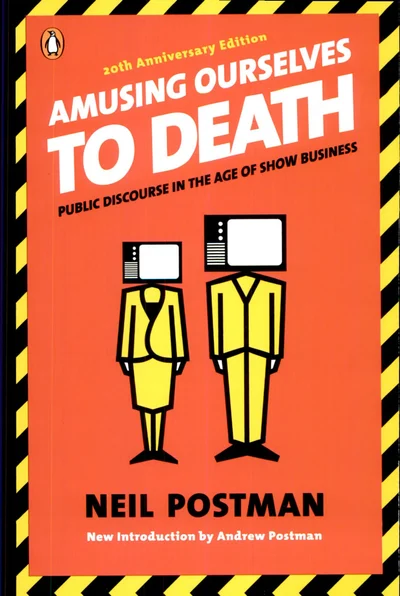 01Amusing Ourselves to Death
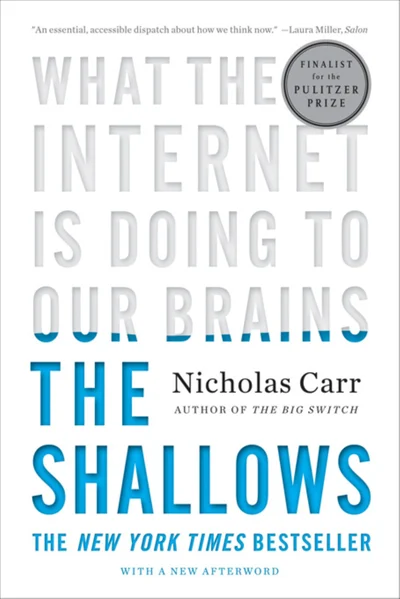 02The Shallows
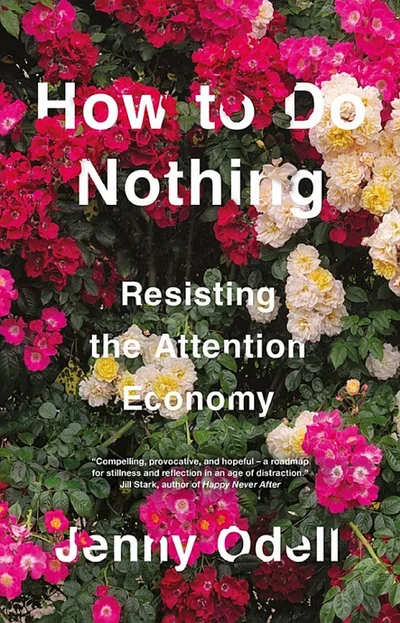 03How to Do Nothing
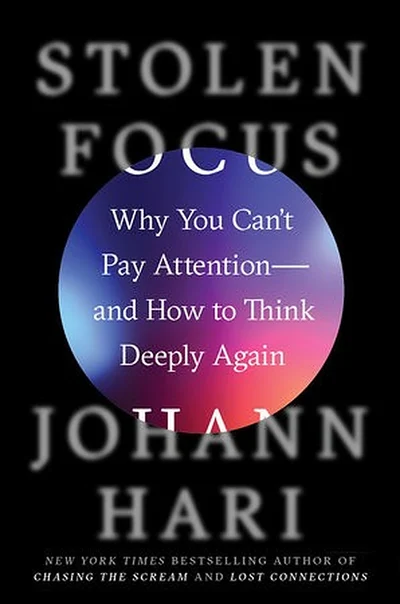 04Stolen Focus
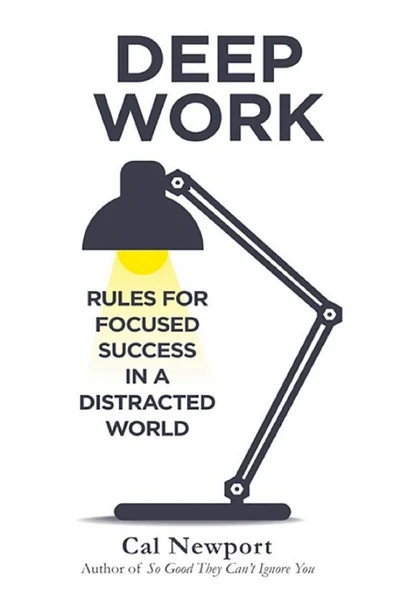 05Deep Work
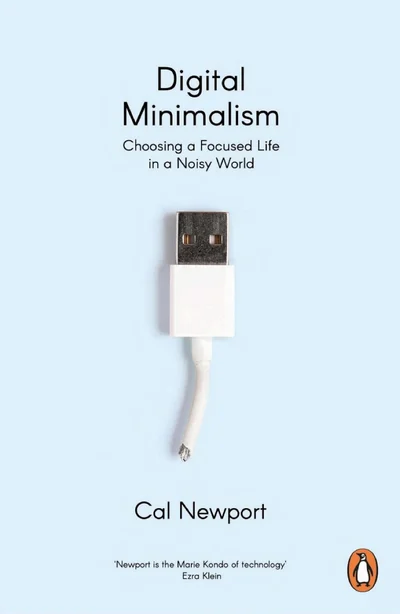 06Digital Minimalism
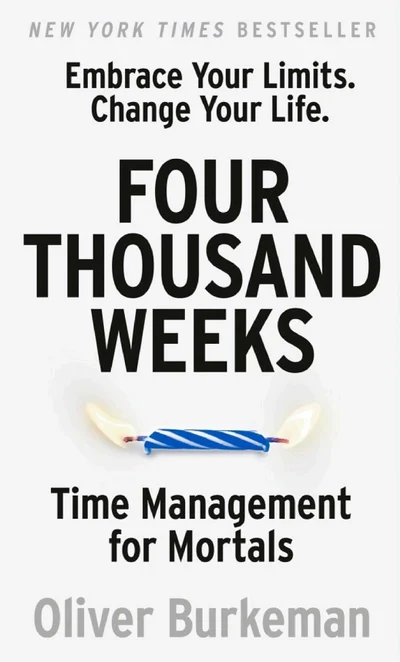 07Four Thousand Weeks
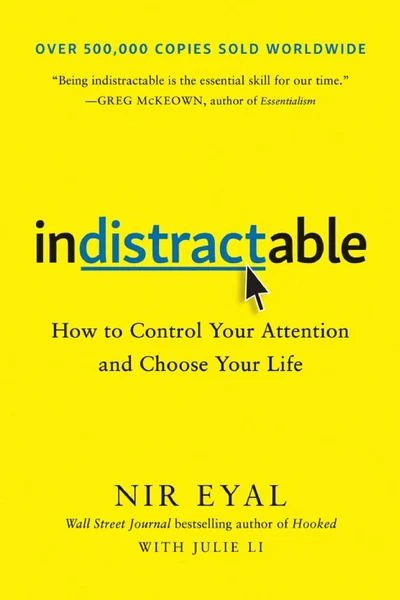 08Indistractable
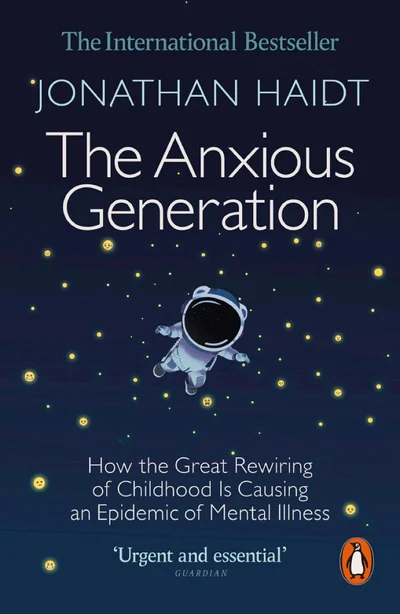 09The Anxious Generation
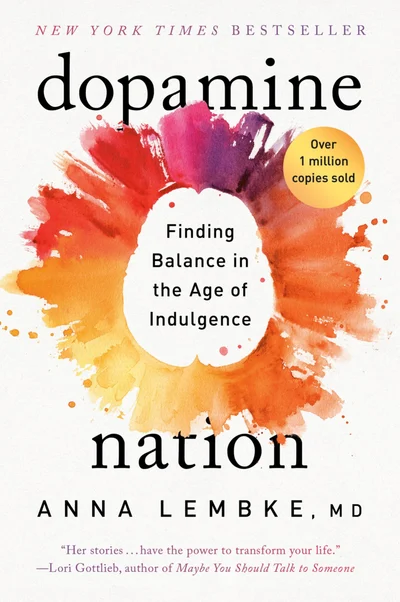 10Dopamine Nation
| # | Book | Author | Year | The idea in one line | Try this |
|---|---|---|---|---|---|
| 1 | Amusing Ourselves to Death | Neil Postman | 1985 | A feed of entertainment makes serious thinking feel boring | Ask what a format rewards and what it leaves out |
| 2 | The Shallows | Nicholas Carr | 2010 | Skimming online makes slow, deep reading harder | Close email while you read or write |
| 3 | How to Do Nothing | Jenny Odell | 2019 | Choose what deserves your attention | Listen for birds on the same walk |
| 4 | Stolen Focus | Johann Hari | 2022 | Lost focus is a systems problem, not only willpower | Lock your phone away before you start |
| 5 | Deep Work | Cal Newport | 2016 | Long, undistracted focus is a skill you can train | Time-block your workday |
| 6 | Digital Minimalism | Cal Newport | 2019 | Keep only the tech that serves what you value | A 30-day digital declutter |
| 7 | Four Thousand Weeks | Oliver Burkeman | 2021 | You will never get everything done, so choose | A to-do list capped at ten tasks |
| 8 | Indistractable | Nir Eyal | 2019 | Distraction starts as an escape from discomfort | Timebox your values, not just your tasks |
| 9 | The Anxious Generation | Jonathan Haidt | 2024 | Phone-based childhood changed teenagers' lives | Four shared norms for families and schools |
| 10 | Dopamine Nation | Anna Lembke | 2021 | Easy pleasure tips the balance toward craving | Put a physical barrier in the way |
Where our attention went: four books that explain it
1. Amusing Ourselves to Death by Neil Postman
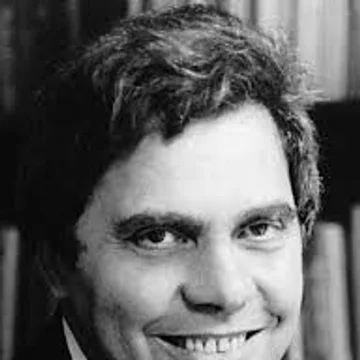
Neil Postman, a media theorist at New York University, wrote this in 1985 about television, and it reads like a book about feeds. His argument: a medium doesn't just carry public debate, it changes what debate can be. When entertainment is the default format, politics, news, education and religion drift toward spectacle. "Our media are our metaphors," he writes in the first chapter.
Try it: after a news clip or a viral thread, ask Postman's questions: what kind of knowledge does this format reward, what does it leave out, and what would help you actually think about the issue? It is a favourite of people who build technology: Tristan Harris, Patrick Collison and Matt Mullenweg are among the 10 public figures on Readlink who list it.
2. The Shallows by Nicholas Carr
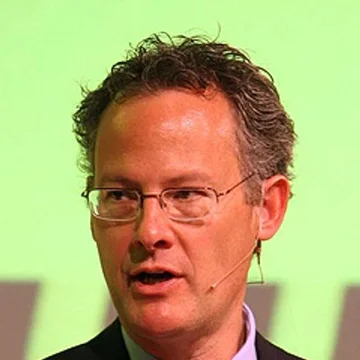
Nicholas Carr, a former executive editor of Harvard Business Review, argues that the internet trains us to skim, sample and switch, and asks whether instant access costs us concentration and deep reading. The book was a finalist for the 2011 Pulitzer Prize in General Nonfiction (Pulitzer Prizes).
Try it: do what Carr did while writing it: close your email instead of letting it check in the background, and keep it closed while you read or write. It is the best pick if you miss getting lost in a long book. Ezra Klein has it in his library.
3. How to Do Nothing by Jenny Odell
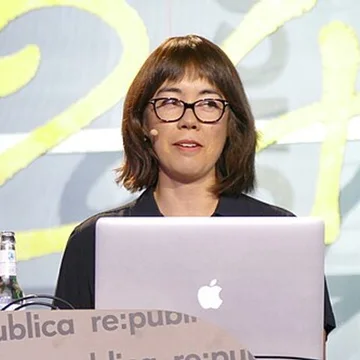
Jenny Odell, an artist and writer, argues that our attention is too often treated as something to sell or turn into output. "Doing nothing" doesn't mean checking out: it means pointing your attention at places, people and living things a feed makes easy to overlook.
Try it: her own practice is listening for birds from the same spot or on the same walk. You don't need to learn their names; noticing is the point. Read this one if you want to decide what deserves your attention, not just get more done with it.
4. Stolen Focus by Johann Hari

Journalist Johann Hari argues that losing focus is not just a failure of willpower: the way we live and work makes concentration harder, and some companies profit from that. He calls for changes to both your habits and the systems around you.
Try it: precommitment. Before a focus session, lock your phone in a timed box, so reaching for it is harder before the urge arrives. It is the broadest explanation of distraction on this list, and 12 public figures on Readlink list it, including Arianna Huffington, Emma Thompson, Stephen Fry and Susan Cain.
How to get it back: four books with a method
5. Deep Work by Cal Newport

Cal Newport, a computer science professor at Georgetown, argues that distraction-free concentration lets you learn hard things fast and produce better work, and that email and meetings will fill your day unless you protect time for it. Deep work is a skill you train.
Try it: time-block your day. Give your hardest task a protected block on the calendar, give email its own slot, and redraw the plan when the day changes. This is the first book to read if your focus problem is at work; Andrew Huberman, Daniel Pink, Derek Sivers and Tim Ferriss are among the 15 public figures who list it.
6. Digital Minimalism by Cal Newport
Newport's second book on this list argues that turning off a few notifications won't give you back control. Start from what you value, then keep only the tools that serve it, with rules for when and how you use them.
Try it: the 30-day digital declutter. Step away from optional apps for 30 days, fill the time with things you enjoy offline, then bring back only what passes his test: "Does this directly support something I really value?" Ryan Holiday, Seth Godin and Greg McKeown list it.
7. Four Thousand Weeks by Oliver Burkeman
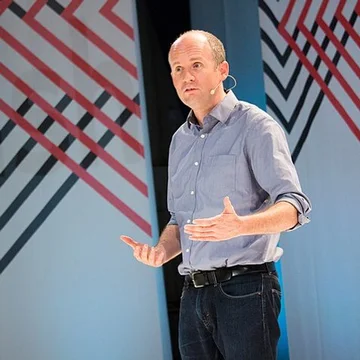
The title is roughly the number of weeks you have if you live to 80. Oliver Burkeman, who wrote The Guardian's psychology column, argues that no amount of efficiency will make everything fit. The better response is to accept that some things will go undone and choose what deserves your time now.
Try it: a fixed-length to-do list. Keep one open list of everything, and a closed list of at most ten active tasks; "you can't add a new task until one's completed." Read it if your problem is too many priorities, not too few productivity tricks.
8. Indistractable by Nir Eyal
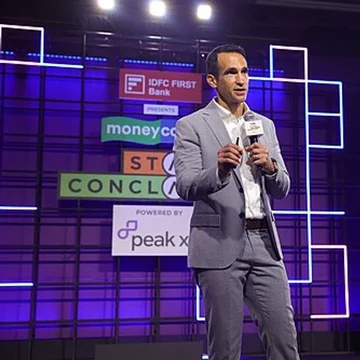
Nir Eyal, who taught at Stanford's business school, argues that distraction usually starts as an escape from an uncomfortable feeling, so taking away the phone doesn't solve everything. His model: manage internal triggers, schedule what matters, cut external triggers, and make commitments in advance.
Try it: timebox your values. Put time for work, people and yourself on the calendar, and judge the day by whether you kept the blocks, not whether you finished everything. It is the most-listed book here: 20 public figures on Readlink have it, including James Clear, Adam Grant and three authors from this list, Cal Newport, Oliver Burkeman and Jonathan Haidt.
Habits and childhood: two books on what phones changed
9. The Anxious Generation by Jonathan Haidt

Social psychologist Jonathan Haidt argues that a shift from a play-based to a phone-based childhood helped drive the rise in teenage anxiety and depression, partly by crowding out sleep, time together in person and focus. It is his argument rather than settled science: some researchers, including psychologist Candice Odgers in Nature, dispute how strong the causal evidence is.
Try it: agree on his four norms with other parents or a school, so no family has to hold the line alone: "No smartphones before high school," "No social media before 16," "Phone-free schools" and "Far more unsupervised play and childhood independence" (book introduction).
10. Dopamine Nation by Anna Lembke
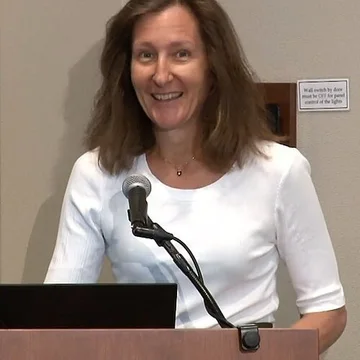
Anna Lembke, a psychiatrist and medical director of addiction medicine at Stanford, explains why rewards that are easy to get and repeat leave us craving more. "Pleasure and pain work like opposite sides of a balance," she writes, and patient stories show how that balance tips toward compulsion.
Try it: physical self-binding. Put a real barrier between you and the habit, for example leave your phone in another room before you sit down to read. Choose this one if your scrolling feels more compulsive than distracted.
What the research says about attention
- 36% of US teens say they use at least one of YouTube, TikTok, Instagram, Snapchat or Facebook "almost constantly," according to a 2025 Pew Research Center survey.
- 91% of US adults own a smartphone, according to Pew's 2026 fact sheet.
- People spend about 47 seconds on one screen before switching, on average, according to UC Irvine researcher Gloria Mark (University of California). That measures switching between screens, not how long people can concentrate.
- In a 2025 randomized study, people who blocked mobile internet on their phones for two weeks improved on a sustained-attention test, while the comparison group did not (PNAS Nexus).
How to read for focus (and where Readlink helps)
Reading a whole book is itself practice in sustained attention. A few habits make it easier:
- Read on paper or in a reader without a feed. Fewer ways to wander off.
- Set a small, daily target. Ten pages a day beats an hour you never find.
- Write one line about what you read. It keeps your mind on the page.
Readlink, the all-in-one reading app, is built around that kind of reading. Track these books in your library and log pages in a tap, read ebooks and PDFs you own with highlights and chapter notes, or listen to audiobook narration of them when your eyes need a break. Its feed only carries books, so opening it to share a passage doesn't drop you into the scroll. You can also see what about 3,500 public figures read.
For older wisdom on the same problem, Marcus Aurelius and Seneca were writing about distraction two thousand years ago: see our philosophy books for beginners. And if you're leaving Goodreads, our Goodreads alternatives comparison covers importing your shelves.
Sources
- Teens, Social Media and AI Chatbots 2025, Pew Research Center
- Mobile Fact Sheet, Pew Research Center
- Can't pay attention? You're not alone, University of California
- Blocking mobile internet on smartphones improves sustained attention, PNAS Nexus
- The 2011 Pulitzer Prize Winners and Finalists, The Pulitzer Prizes
- The Anxious Generation, book sample, Penguin
- The great rewiring, Nature


