


If you're new to philosophy, start with Marcus Aurelius's Meditations: short entries, plain advice and no background needed. After that, try Seneca's letters, Plato's Republic and the Tao Te Ching, the four books we shared for World Philosophy Day (November 19, 2026), then the four extra picks below. They cover Stoic, Greek, Chinese and modern thought, and one of them is a novel.
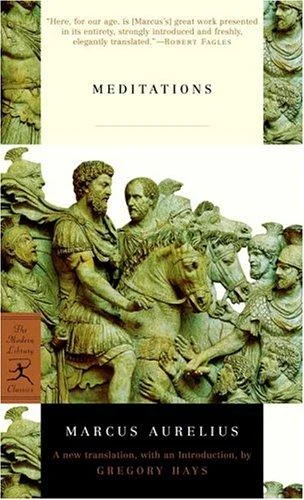 StoicismMeditations
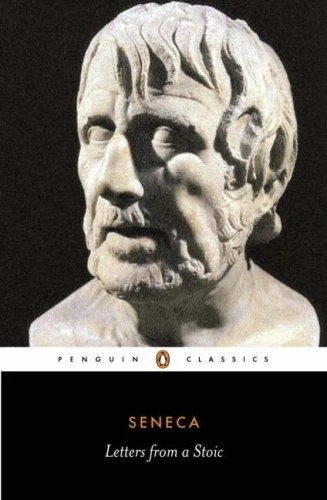 StoicismLetters from a Stoic
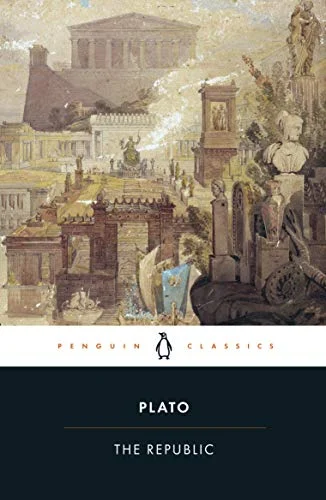 Greek philosophyThe Republic
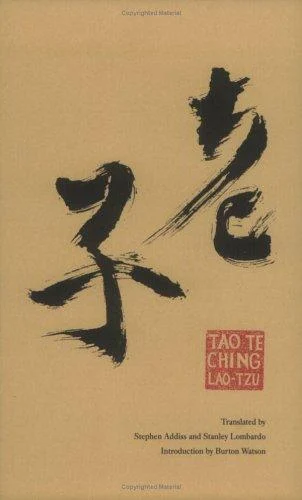 TaoismTao Te Ching
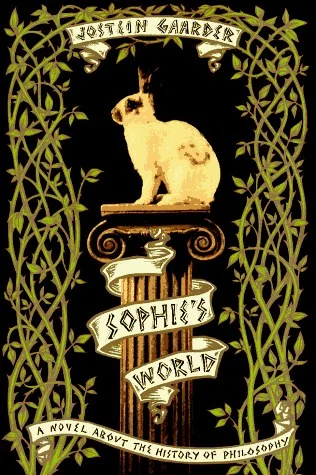 NovelSophie's World
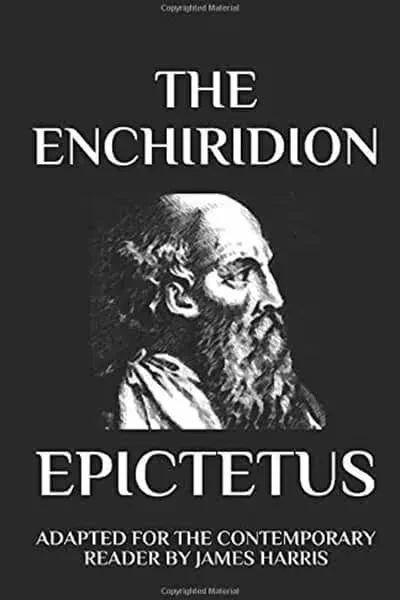 StoicismThe Enchiridion
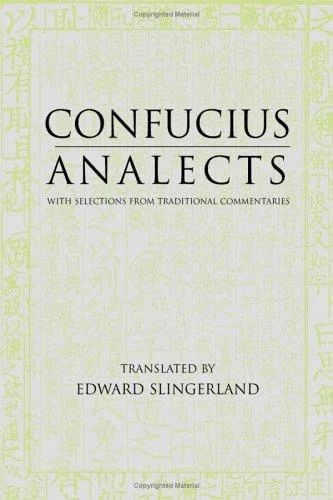 ConfucianismThe Analects
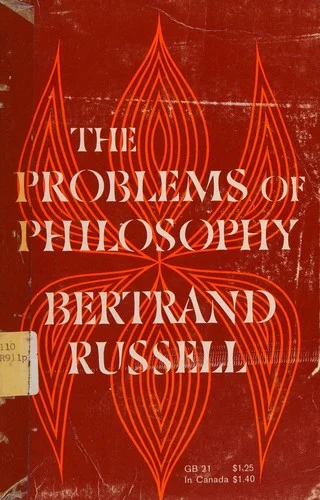 Modern philosophyThe Problems of Philosophy
| Book | Author | Written | Why start here | Best for |
|---|---|---|---|---|
| Meditations | Marcus Aurelius | 170s CE | Short entries you can read one a day | A calmer, steadier mind |
| Letters from a Stoic | Seneca | c. 62 to 65 CE | Each letter stands on its own | Practical advice on everyday life |
| The Republic | Plato | c. 380 to 375 BCE | The questions behind politics and justice | Readers who like a good argument |
| Tao Te Ching | Lao Tzu (attributed) | 4th to 3rd century BCE, compiled | 81 very short chapters | Slowing down and letting go |
| Sophie's World | Jostein Gaarder | 1991 | A mystery novel that teaches the history of philosophy | Fiction readers |
| The Enchiridion | Epictetus | 2nd century CE | A pocket handbook of Stoicism | The shortest possible start |
| The Analects | Confucius | Compiled by later followers | Brief conversations on how to live with others | Ethics, family and work |
| The Problems of Philosophy | Bertrand Russell | 1912 | A short modern introduction | Learning how philosophers argue |
The four books from our World Philosophy Day post
These are the books we picked for our World Philosophy Day post. Each one starts with a question you can bring to your own life.
1. Meditations by Marcus Aurelius
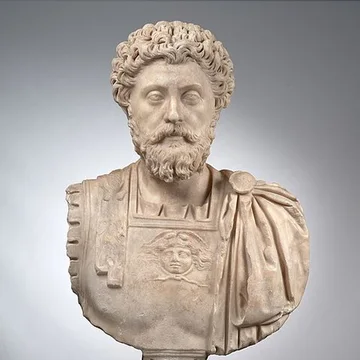
Marcus Aurelius was Roman emperor from 161 to 180 CE and wrote these notes to himself in Greek, probably in the 170s, with at least part of them written on military campaign along the Danube (Stanford Encyclopedia of Philosophy). The book has 12 books of short reflections rather than one long argument. Again and again he reminds himself to examine his first reaction before treating it as a fact, and to accept what happens without using it as an excuse to neglect other people.
A line beginners often remember, in Gregory Hays's translation (Book 5, 20): "The impediment to action advances action. What stands in the way becomes the way."
Start with Hays's Modern Library translation for plain, modern English. Of the eight books here, Meditations is the one most often found in the libraries of the public figures we track on Readlink: 32 of them have it in their library, including Arianna Huffington, Jack Dorsey, James Clear and Anna Kendrick.
2. Letters from a Stoic by Seneca
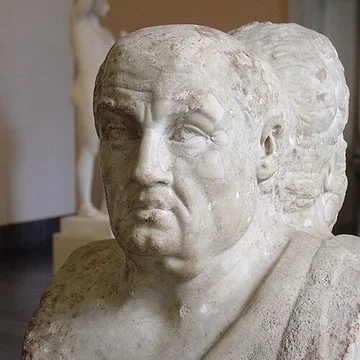
Seneca was a Roman Stoic philosopher, playwright and adviser to the emperor Nero. Late in life, roughly 62 to 65 CE, he wrote the Moral Letters to Lucilius; 124 letters survive (Stanford Encyclopedia of Philosophy). Letters from a Stoic is Robin Campbell's Penguin Classics selection, not the full set. Seneca treats philosophy as something to practice, and tests it against friendship, money, travel, grief and illness.
Try Letter 28, on why a trip rarely fixes a restless mind. In Campbell's translation: "A change of character, not a change of air, is what you need."
On Readlink, Tim Ferriss, Naval Ravikant and Ryan Holiday all have it in their libraries.
3. The Republic by Plato
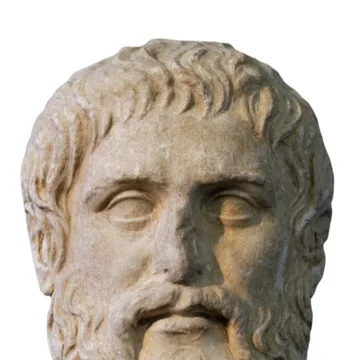
Plato (c. 428 to 348 BCE) was a student of Socrates and the teacher of Aristotle. The Republic, written around 380 to 375 BCE, is a dialogue in 10 books (Internet Encyclopedia of Philosophy). Socrates asks what justice is and whether a just life is a better one, and imagines an ideal city to make the question easier to see.
It is the most demanding book here, so don't read it straight through. Start with the Ring of Gyges in Book II (what would you do if no one could ever catch you?) and the Allegory of the Cave in Book VII. In Benjamin Jowett's translation of the cave: "To them, I said, the truth would be literally nothing but the shadows of the images."
Carl Sagan, Martin Luther King Jr. and Maria Popova are among the 9 public figures on Readlink who list it.
4. Tao Te Ching by Lao Tzu
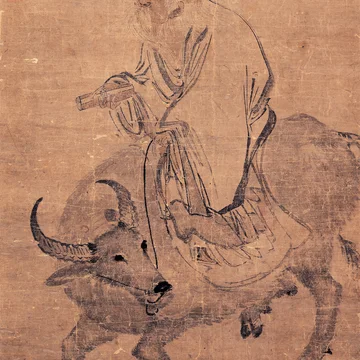
Tradition names Lao Tzu, an archivist at the Zhou court and an older contemporary of Confucius, as the author. Scholars think the sayings were written down and gathered over the fourth and third centuries BCE; bamboo manuscripts found at Guodian, dated to around 300 BCE, already contain parts of it (Stanford Encyclopedia of Philosophy). The usual text has 81 short chapters about the Dao, or Way, and about wuwei: acting without forcing every outcome, which is not the same as doing nothing.
Read one chapter a day, and if a line puzzles you, compare two translations (D. C. Lau's Penguin and Gia-Fu Feng and Jane English's are a good pair). James Legge's older version of chapter 64 gives the famous line: "the journey of a thousand li commenced with a single step."
It has a wide range of readers on Readlink: Rick Rubin, Phil Jackson, Alice Walker and Eckhart Tolle are among the 18 public figures who list it.
Four more philosophy books for beginners
5. Sophie's World by Jostein Gaarder

A novel, published in Norwegian in 1991, in which 14-year-old Sophie starts receiving mysterious letters that walk her through the history of Western philosophy (Macmillan). The mystery keeps you turning pages while the ideas pile up. It is the best pick if you mostly read fiction; read it in Paulette Møller's English translation.
6. The Enchiridion by Epictetus

Epictetus was born into slavery and became one of the best-known Stoic teachers; his student Arrian collected his teaching in the Discourses and in this short handbook (Stanford Encyclopedia of Philosophy). It opens with the idea that runs through all of Stoicism: some things are up to us and some are not. You can read it in an evening, which makes it the quickest way into Stoicism. James Clear and Naval Ravikant list it too.
7. The Analects by Confucius
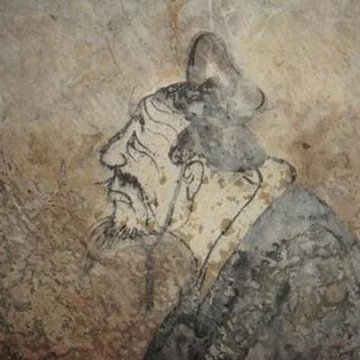
Confucius (traditionally 551 to 479 BCE) did not write this book himself: his followers collected his sayings and conversations over the following centuries (Britannica). The short exchanges cover learning, family, friendship, work and leading by example. Edward Slingerland's translation adds traditional commentary that explains the passages that need context.
8. The Problems of Philosophy by Bertrand Russell
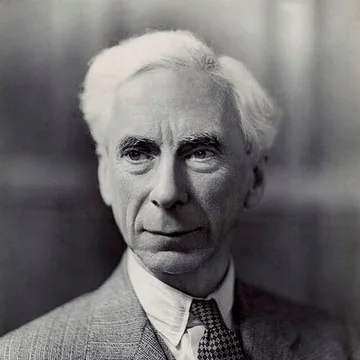
Published in 1912, this short book starts from a simple question: is there any knowledge so certain that no reasonable person could doubt it? Russell works through appearance and reality, matter, knowledge and truth, and ends with a chapter on the value of philosophy. No translation and no background needed, which is why it is still a common first book in university courses.
Want something newer once you have a feel for the classics? This year's National Book Award winners include a novel of exile and a prison memoir that wrestle with the same questions about how to live.
How to start reading philosophy as a beginner
- Pick one book, not a reading plan. Meditations or the Enchiridion are the easiest starts.
- Read a little and stop. One entry, letter or chapter is enough for a sitting.
- Write down the line that stopped you, and one sentence on what it means for your week.
- Talk about it. Philosophy started as conversation, and a question is easier to think through with someone else.
Readlink, the all-in-one reading app, is built for exactly this kind of slow reading:
- Keep the list in one place. Add the books to your library and log your pages as you go.
- Save the line that stopped you. Keep a passage with your own note in Notes & Highlights, organised by chapter.
- Ask your books. AI reading chats answer from the books and notes in your library, which helps with a hard passage in The Republic or the Tao Te Ching. Free accounts get 10 messages a day.
- Bring a question to other readers. Share a post about a passage with the book attached, so others can join in.
- See who else reads it. Browse the libraries of about 3,500 public figures, from Stoic fans like Ryan Holiday to musicians like Rick Rubin.
Fiction or non-fiction, it all sits in one app. If you are moving your shelves over from another tracker, our Goodreads alternatives comparison covers importing your library.
World Philosophy Day 2026
UNESCO celebrates World Philosophy Day every year on the third Thursday of November; it has marked the day since 2002, and UNESCO's General Conference formally proclaimed it in 2005 (UNESCO). In 2026 it fell on November 19, with the theme "To Coexist in a World in Crisis: Youth Voices on Climate, AI, Migration and Health."
Interest in old philosophy books keeps growing in new forms: according to Penguin Random House, Ryan Holiday and Stephen Hanselman's The Daily Stoic, a modern companion to the Stoics, has sold more than three million copies since 2016.
Sources
- World Philosophy Day, UNESCO
- Marcus Aurelius, Stanford Encyclopedia of Philosophy
- Seneca, Stanford Encyclopedia of Philosophy
- Plato: The Republic, Internet Encyclopedia of Philosophy
- Laozi, Stanford Encyclopedia of Philosophy
- Epictetus, Stanford Encyclopedia of Philosophy
- Confucius, Britannica
- Sophie's World, Macmillan
- The Daily Stoic, 10th anniversary edition, Penguin Random House


