

 Author
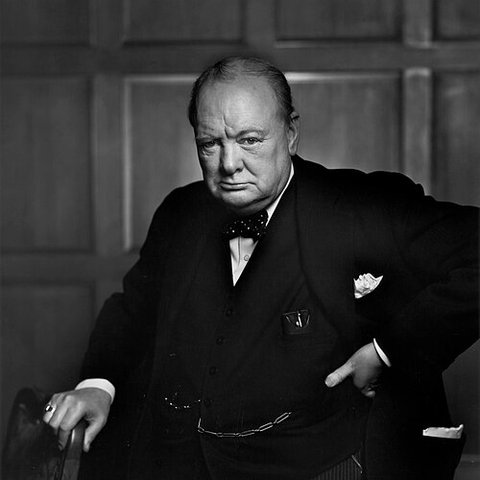
Winston Churchill
Sir Winston Leonard Spencer Churchill (30 November 1874 – 24 January 1965) was a British statesman, military officer, and writer who was Prime Minister of the United Kingdom from 1940 to 1945, during the Second World War, and again from 1951 to 1955. For some 62 of the years between 1900 and 1964, he was a member of Parliament (MP) and represented a total of five constituencies over that time. Ideologically an adherent to economic liberalism and imperialism, he was for most of his career a member of the Conservative Party, which he led from 1940 to 1955. He was a member of the Liberal Party from 1904 to 1924. Of mixed English and American parentage, Churchill was born in Oxfordshire into the wealthy, aristocratic Spencer family. He joined the British Army in 1895 and saw action in British India, the Mahdist War and the Second Boer War, gaining fame as a war correspondent and writing books about his campaigns. Elected a Conservative MP in 1900, he defected to the Liberals in 1904. In H. H. Asquith's Liberal government, Churchill was president of the Board of Trade and later Home Secretary, championing prison reform and workers' social security. As First Lord of the Admiralty before and during the First World War he oversaw the disastrous naval attack on the Dardanelles (a prelude to the Gallipoli campaign) and was demoted to Chancellor of the Duchy of Lancaster. He resigned in November 1915 and joined the Royal Scots Fusiliers on the Western Front for six months. In 1917, he returned to government under David Lloyd George and served successively as Minister of Munitions, Secretary of State for War, Secretary of State for Air, and Secretary of State for the Colonies, overseeing the Anglo-Irish Treaty and British foreign policy in the Middle East. After two years out of Parliament, he was Chancellor of the Exchequer in Stanley Baldwin's Conservative government, returning sterling in 1925 to the gold standard, depressing the UK economy. Out of government during his so-called "wilderness years" in the 1930s, Churchill took the lead in calling for rearmament to counter the threat of militarism in Nazi Germany. At the outbreak of the Second World War he was re-appointed First Lord of the Admiralty. In May 1940, he became prime minister, succeeding Neville Chamberlain. Churchill formed a national government and oversaw British involvement in the Allied war effort against the Axis powers, resulting in victory in 1945. After the Conservatives' defeat in the 1945 general election, he became Leader of the Opposition. Amid the developing Cold War with the Soviet Union, he publicly warned of an "iron curtain" of Soviet influence in Europe and promoted European unity. Between his terms, he wrote several books recounting his experience during the war. He was awarded the Nobel Prize in Literature in 1953. He lost the 1950 election but was returned to office in 1951. His second term was preoccupied with foreign affairs, especially Anglo-American relations and preservation of what remained of the British Empire, with India no longer a part of it. Domestically, his government's priority was their extensive and successful housebuilding programme. In declining health, Churchill resigned in 1955, remaining an MP until 1964. Upon his death in 1965, he was given a state funeral. One of the 20th century's most significant figures, Churchill remains popular in the UK. He is generally viewed as a victorious wartime leader who played an integral role in defending liberal democracy against the spread of fascism. A staunch imperialist, he has sometimes been criticised for comments on race, in addition to some wartime decisions such as area bombing. Historians rank Churchill as one of the greatest British prime ministers.
Get new book alerts for Winston in the app.


Books by Winston Churchill
Every published title we have in the catalogue, ordered by their library.
The Second World War
The Birth of Britain
My Early Life
Memoirs of the Second World War

The World Crisis 1911-1918
Marlborough
The Story of the Malakand Field Force
Painting as a Pastime

The Second World War: War Comes to America

Arms and the covenant
River War
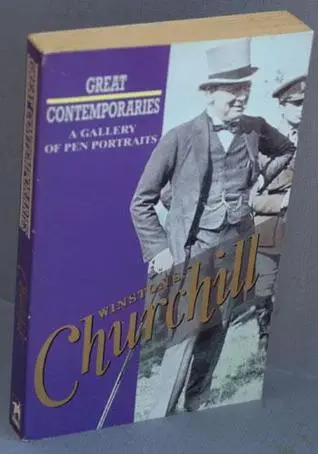
Great contemporaries
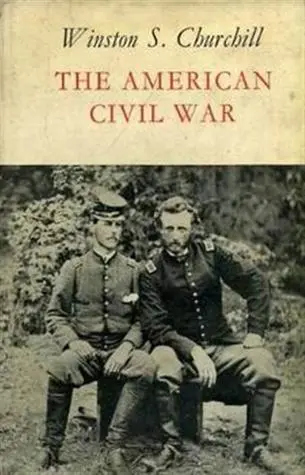
The American Civil War

Memories and adventures

Never Give In!

The Churchill War Papers: The Ever Widening War, Volume 3

Frontiers and wars

Speaking for Themselves

The six day war

The great republic

Defending the West

Young Winston's wars

The Wicked Wit of Winston Churchill

Blood, Toil, Tears and Sweat
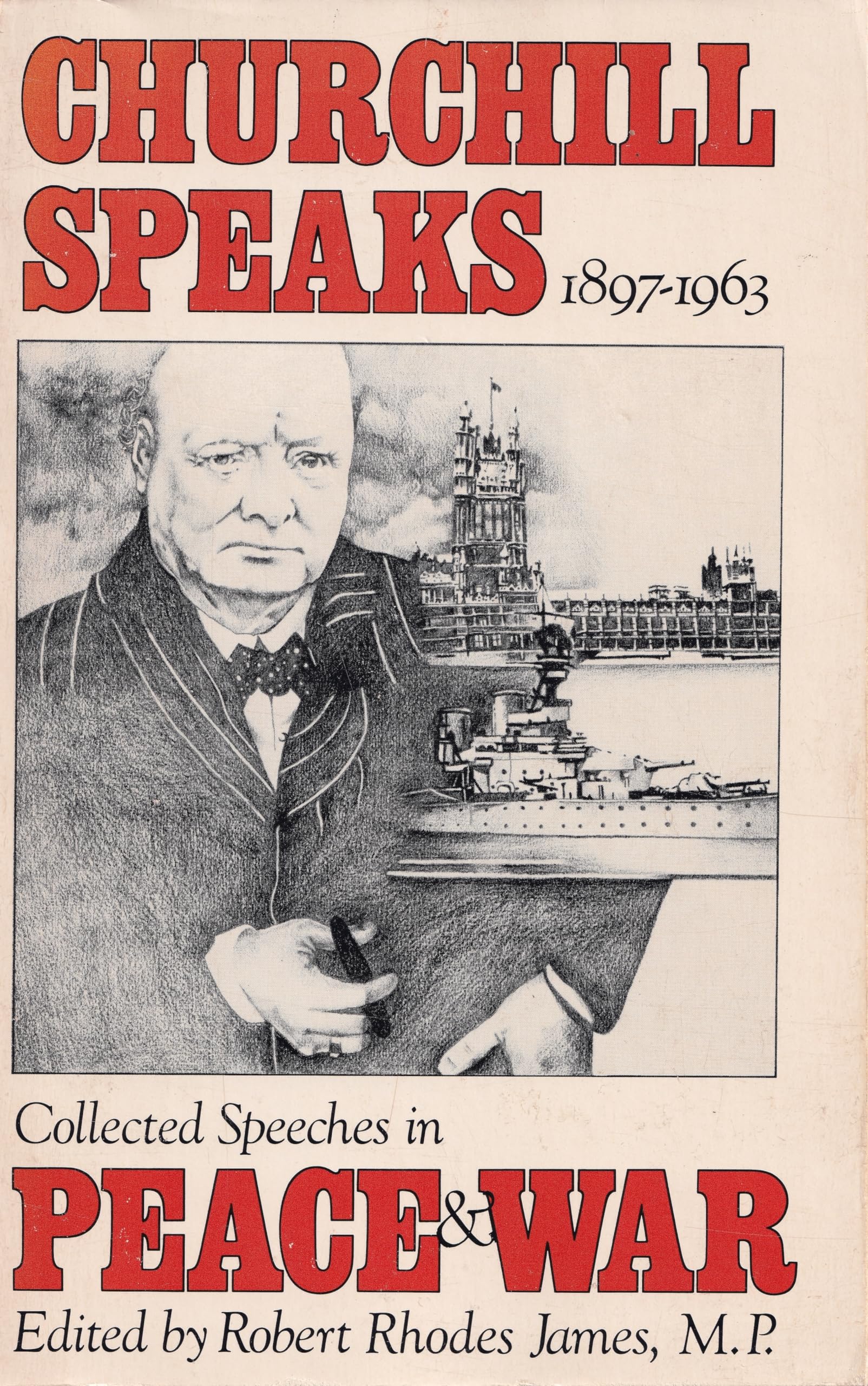
Churchill Speaks: Winston S. Churchill in Peace and War

The Crisis
A Modern Chronicle
The Inside of the Cup

Coniston

Richard Carvel

Essay on the American Contribution and the Democratic Idea

Reader's digest condensed books

Far Country
Crossing

The Dwelling Place of Light
Traveller in War-Time
More authors
Writers readers often explore alongside this one.
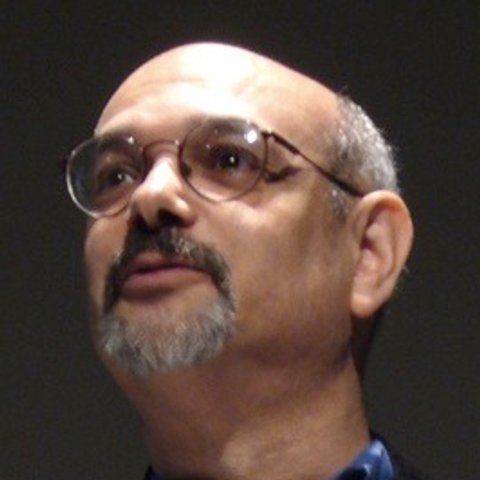 Steven HellerSteven Heller (born July 7, 1950) is an American art director, journalist, critic, author, and editor who specializes in topics related to graphic design.
 Philip SteelePhilip Steele is a British children's nonfiction writer whose books cover history, cultures, geography and crafts, including Mesopotamia and Collage. He worked in publishing before becoming a freelance author and settled in North Wales.Matt DoedenMatt Doeden is an American author of children's nonfiction, including history, sports, transportation, and graphic-history titles. He wrote Monster Trucks, The Sinking of the Titanic, and books on figures such as Elon Musk and Thomas Jefferson.
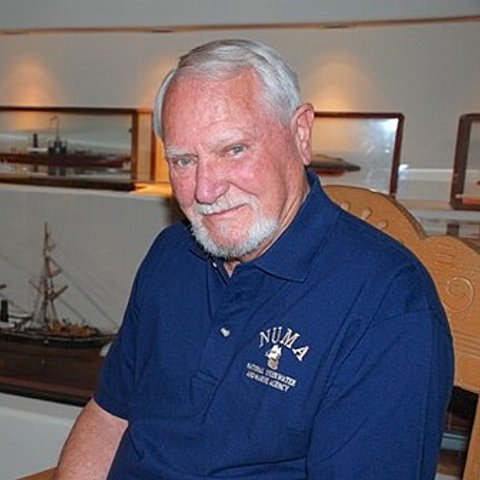 Clive CusslerClive Eric Cussler was an American adventure novelist and underwater explorer. His thriller novels, many featuring the character Dirk Pitt, have been listed on The New York Times fiction best-seller list more than 20 times. Cussler was the founder and chairman of the National Underwater and Marine Agency (NUMA), which has discovered more than 60 shipwreck sites and numerous other notable underwater wrecks. He was the sole author or main author of more than 80 books. He often placed himself into his books as himself.
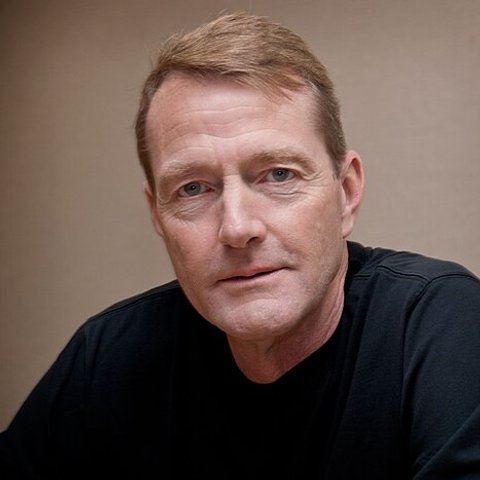 Lee ChildJames Dover Grant (born 29 October 1954), primarily known by his pen name Lee Child, is a British author who writes thriller novels and is best known for his Jack Reacher novel series. The books follow the adventures of a former American military policeman, Jack Reacher, who wanders the United States. His first novel, Killing Floor (1997), won the Anthony Award and the 1998 Barry Award for Best First Novel.
