

 Author
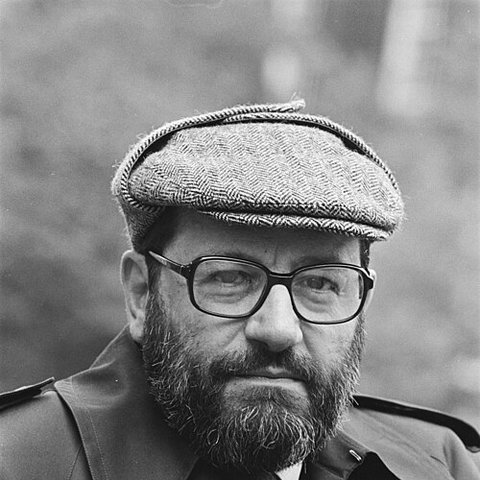
Umberto Eco
Umberto Eco was an Italian medievalist, philosopher, semiotician, novelist, cultural critic, and political and social commentator. In English, he is best known for his popular 1980 novel The Name of the Rose, a historical mystery combining semiotics in fiction with biblical analysis, medieval studies and literary theory, as well as Foucault's Pendulum, his 1988 novel which touches on the history of occultism and its contemporary interpretation through the new age movement.
Get new book alerts for Umberto in the app.


Books by Umberto Eco
Every published title we have in the catalogue, ordered by their library.
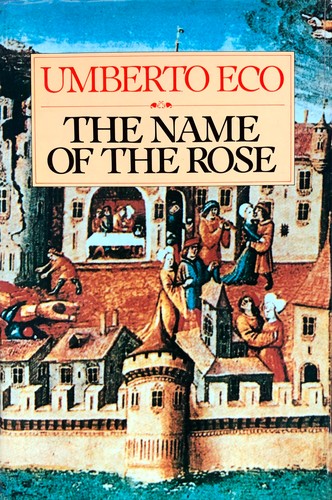
The Name of the Rose

Foucault's Pendulum
Baudolino
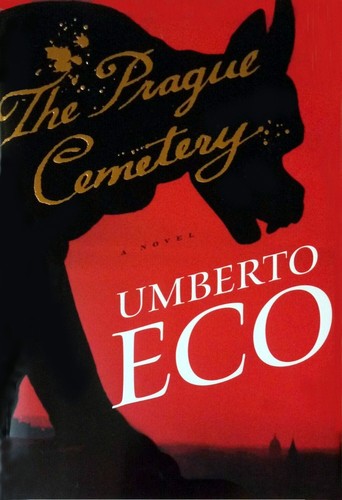
The Prague Cemetery

History of Beauty
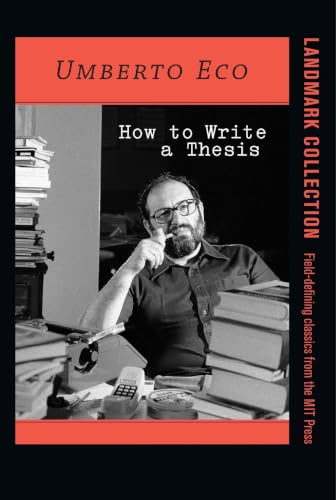
How to Write a Thesis
The Island of the Day Before
Travels in Hyper Reality
How to Travel with a Salmon and Other Essays

Six Walks in the Fictional Woods
The Search for the Perfect Language
The Mysterious Flame of Queen Loana

On Ugliness
Art and Beauty in the Middle Ages
The Open Work

A Theory of Semiotics

Semiotics and the Philosophy of Language

Numero Zero

The Infinity of Lists
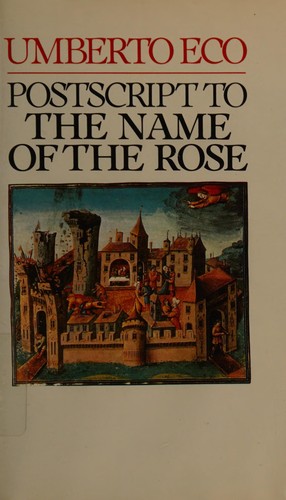
Postscript to The Name of the Rose
Ur-Fascism
Five Moral Pieces

Kant and the Platypus
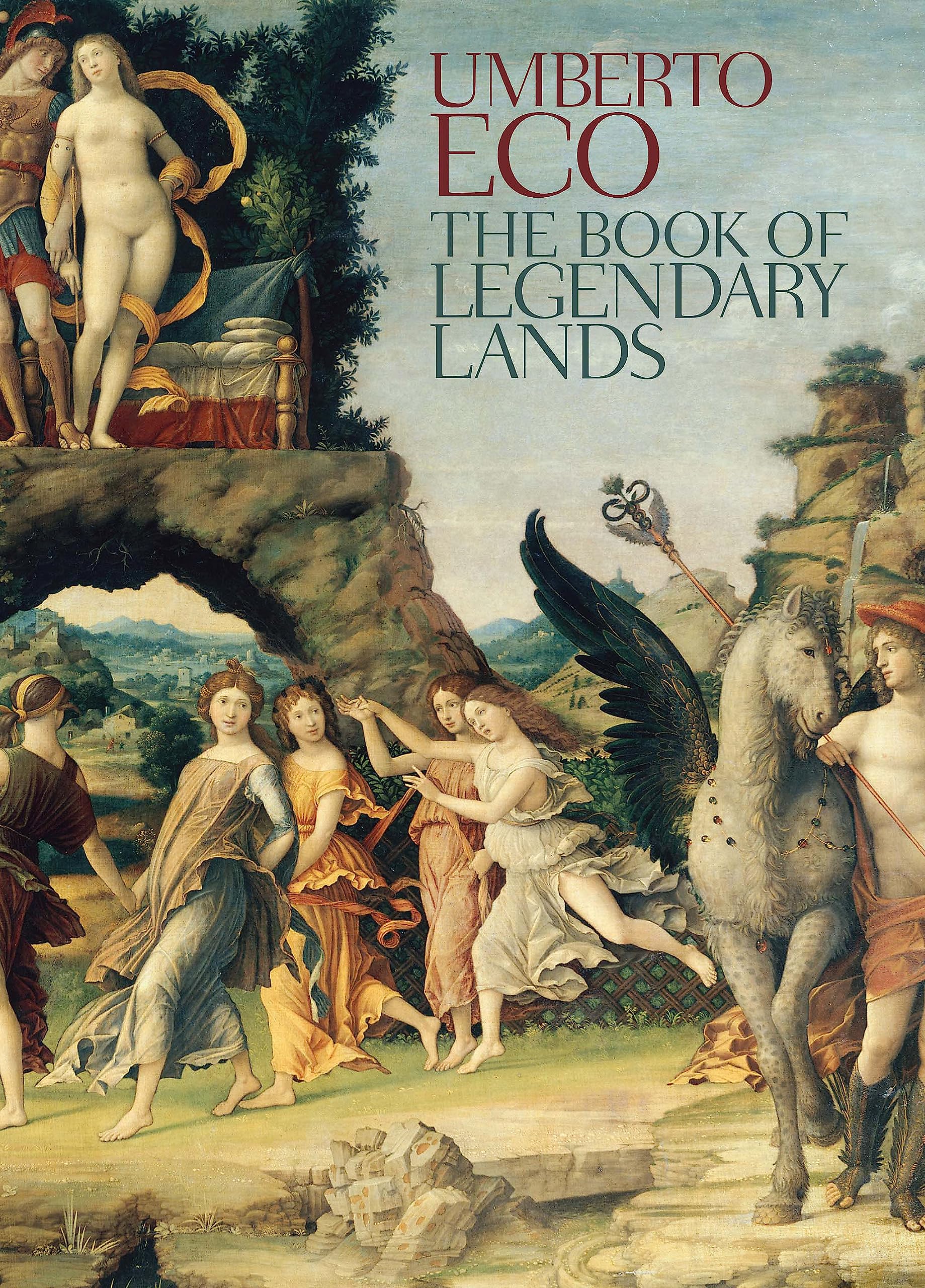
The book of legendary lands
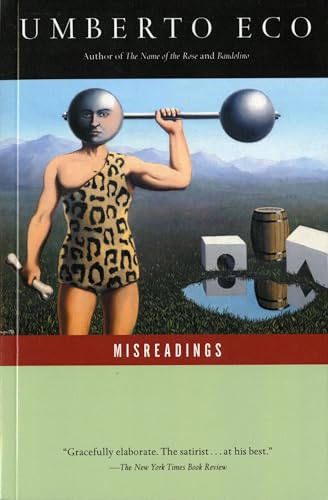
Misreadings
On Literature

How to Spot a Fascist

Apocalypse Postponed
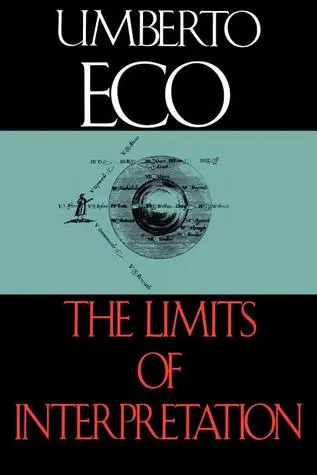
The Limits of Interpretation

Belief or Nonbelief?
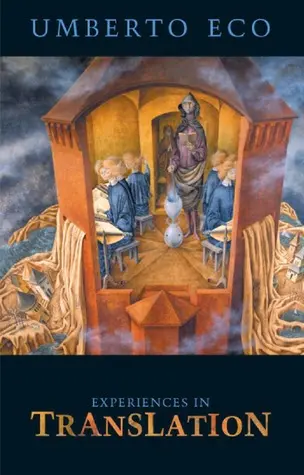
Experiences in translation
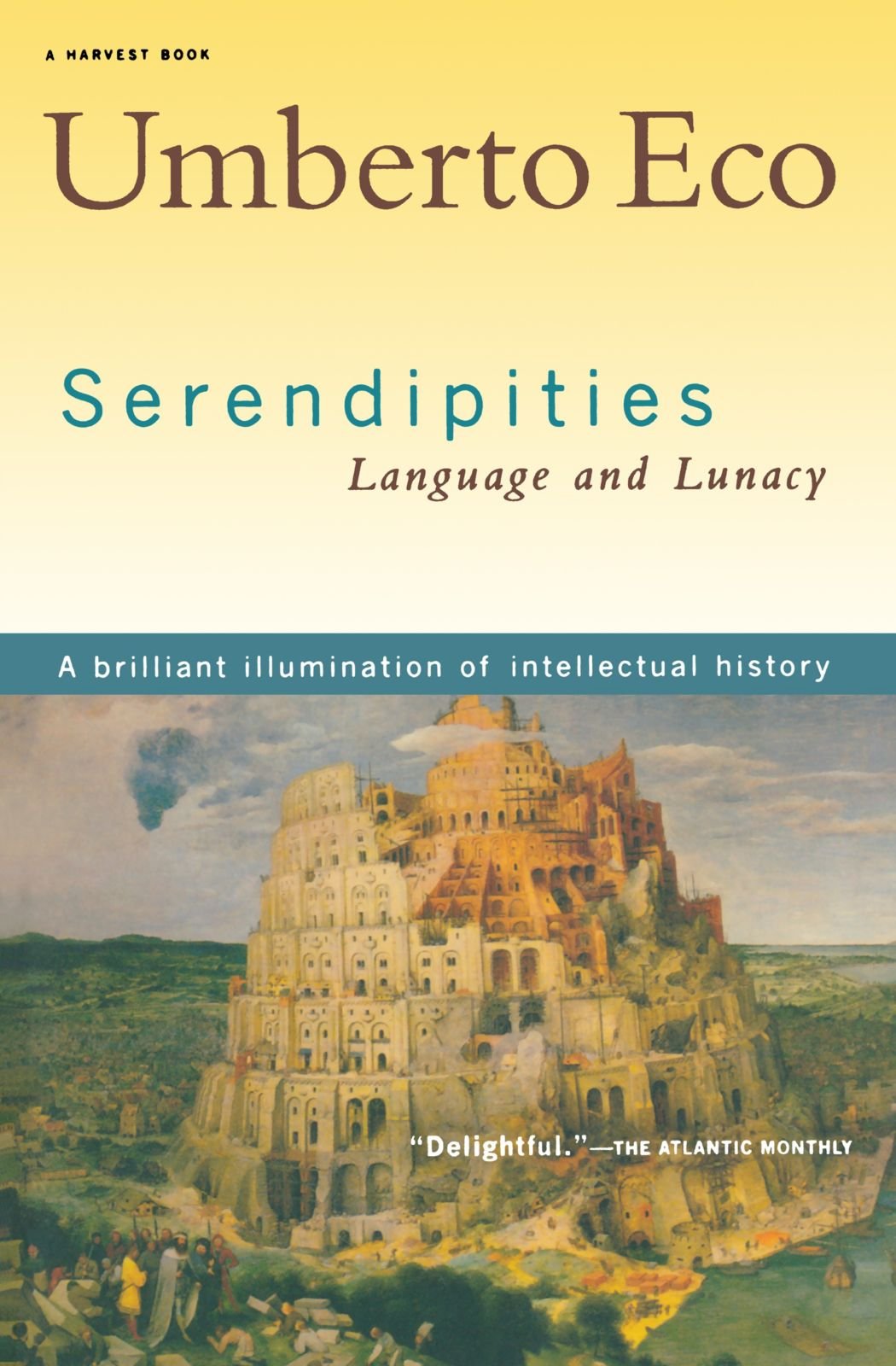
Serendipities

Sugli specchi e altri saggi
La Struttura Assente
Chronicles of a Liquid Society
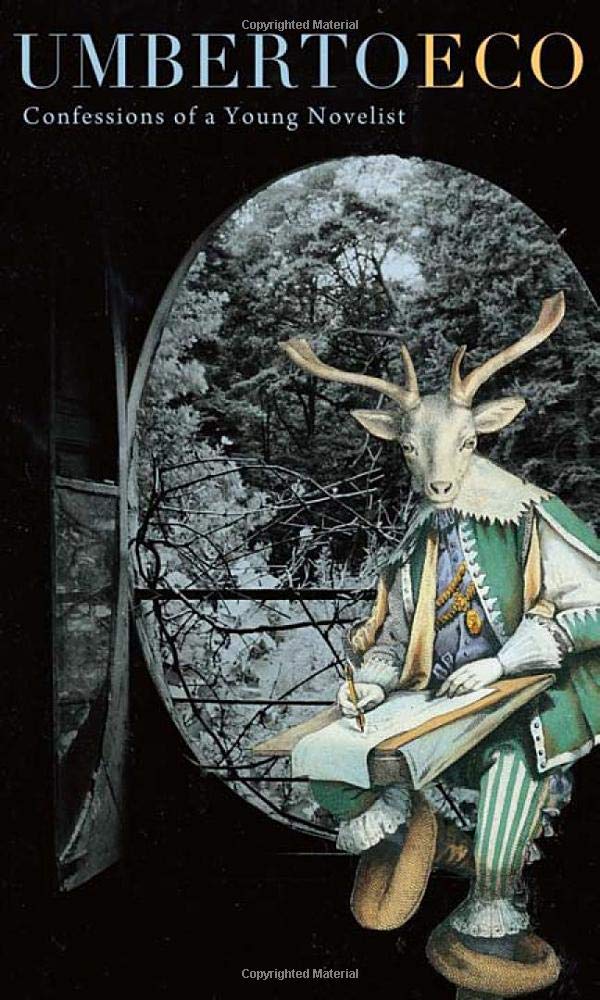
Confessions of a young novelist
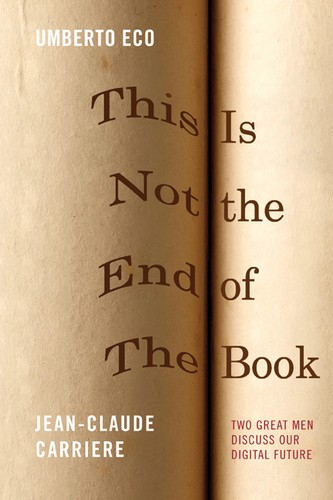
This Is Not the End of the Book
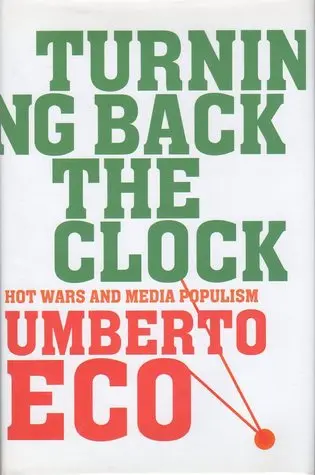
Turning Back the Clock

Lector in Fabula
Story of Time
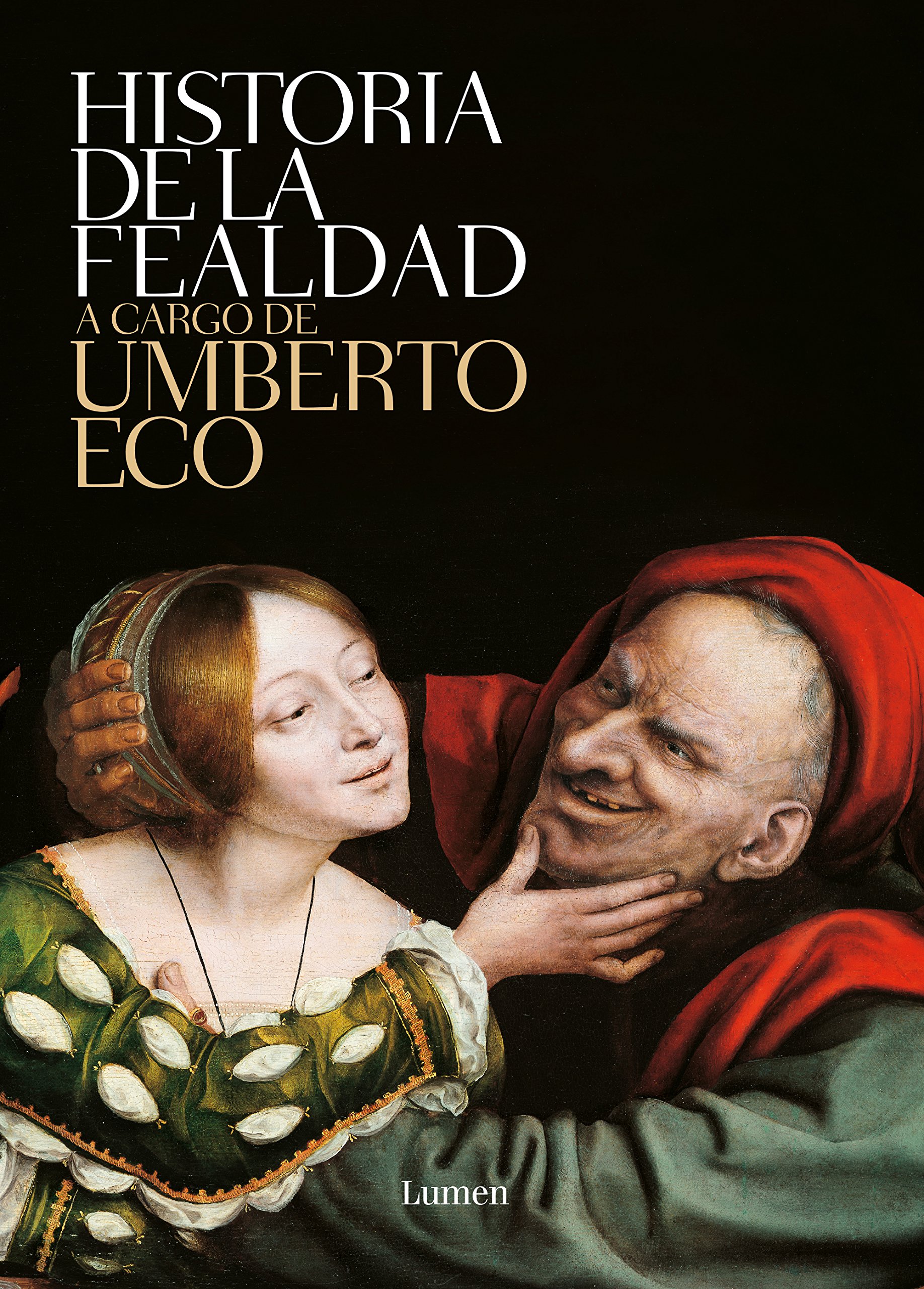
Historia de la fealdad. - 1. edición

La bustina di minerva
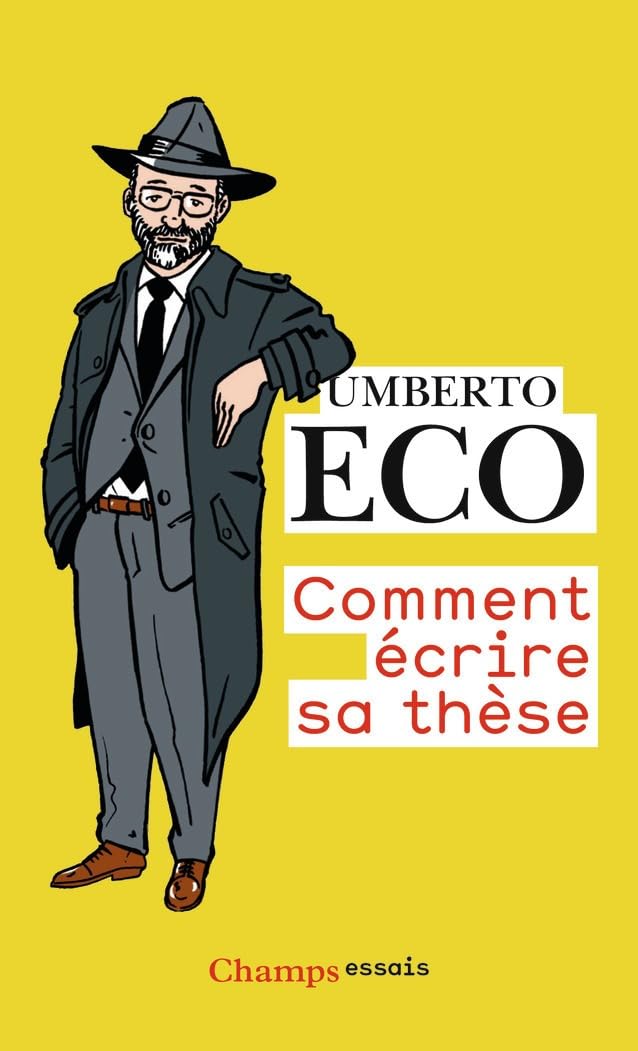
Comment écrire sa thèse

The Picture History of Inventions
More authors
Writers readers often explore alongside this one.
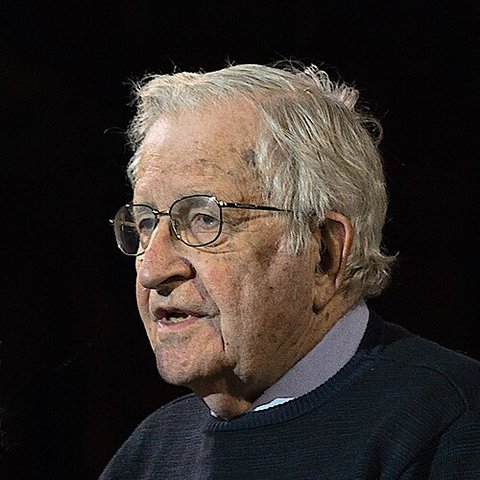 Noam ChomskyAvram Noam Chomsky (born December 7, 1928) is an American intellectual, philosopher, linguist, political activist, and social critic. Sometimes called "the father of modern linguistics", Chomsky is also a major figure in analytic philosophy and one of the founders of the field of cognitive science. He is a laureate professor of linguistics at the University of Arizona and an institute professor emeritus at the Massachusetts Institute of Technology (MIT).
Among the most cited living authors, Chomsky has written more than 150 books on topics such as linguistics, war, and politics. In addition to his work in linguistics, since the 1960s, Chomsky has been an influential voice on the American Left as a consistent critic of the foreign policy of the United States, contemporary capitalism, and corporatocracy.
Born to immigrant Ashkenazi Jews in Philadelphia, Chomsky developed an early interest in anarchism from alternative bookstores in New York City. He studied at the University of Pennsylvania. During his postgraduate work in the Harvard Society of Fellows, Chomsky developed the theory of transformational grammar for which he earned his doctorate in 1955. That year he began teaching at MIT, and in 1957 emerged as a significant figure in linguistics with his landmark work Syntactic Structures, which played a major role in remodeling the study of language.
From 1958 to 1959 Chomsky was a National Science Foundation fellow at the Institute for Advanced Study. He created or co-created the universal grammar theory, the generative grammar theory, the Chomsky hierarchy, and the minimalist program. Chomsky also played a pivotal role in the decline of linguistic behaviorism, and was particularly critical of the work of B. F. Skinner.
An outspoken opponent of U.S. involvement in the Vietnam War, which he saw as an act of American imperialism, in 1967 Chomsky rose to national attention for his anti-war essay "The Responsibility of Intellectuals". Becoming associated with the New Left, he was arrested multiple times for his activism and placed on President Richard Nixon's list of political opponents. As his work in linguistics gained prominence and influence during the 1960s, it fomented the linguistics wars. In collaboration with Edward S. Herman, Chomsky later articulated the propaganda model of media criticism in Manufacturing Consent, and worked to expose the Indonesian occupation of East Timor.
Chomsky's defense of unconditional freedom of speech, including that of Holocaust denial, generated significant controversy in the Faurisson affair of the 1980s. Chomsky's commentary on the Cambodian genocide and the Bosnian genocide also generated controversy. Since retiring from active teaching at MIT, he has continued his vocal political activism, including opposing the 2003 invasion of Iraq and supporting the Occupy movement. An anti-Zionist, Chomsky considers Israel's treatment of Palestinians to be worse than South African–style apartheid, and criticizes U.S. support for Israel.
Chomsky is widely recognized as having helped to spark the cognitive revolution in the human sciences, contributing to the development of a new cognitivistic framework for the study of language and the mind. Chomsky remains a leading critic of U.S. foreign policy, contemporary capitalism, U.S. involvement and Israel's role in the Israeli–Palestinian conflict, and mass media. Chomsky and his ideas remain highly influential in the anti-capitalist and anti-imperialist movements.
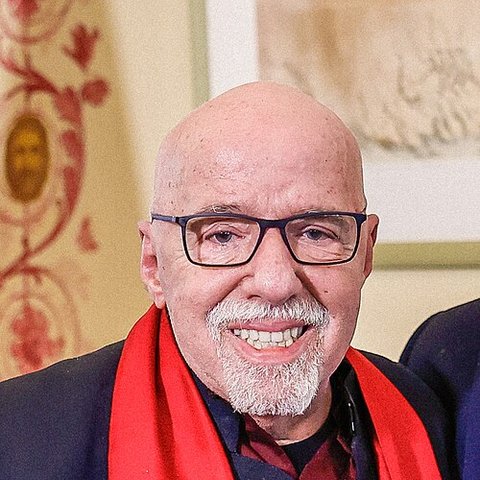 Paulo CoelhoPaulo Coelho de Souza ( KWEL-yoo, koo-EL-yoo, -yoh, Portuguese: [ˈpawlu kuˈeʎu]; born 24 August 1947) is a Brazilian lyricist and novelist. He has been a member of the Brazilian Academy of Letters since 2002. His 1988 novel The Alchemist is an international best-seller.
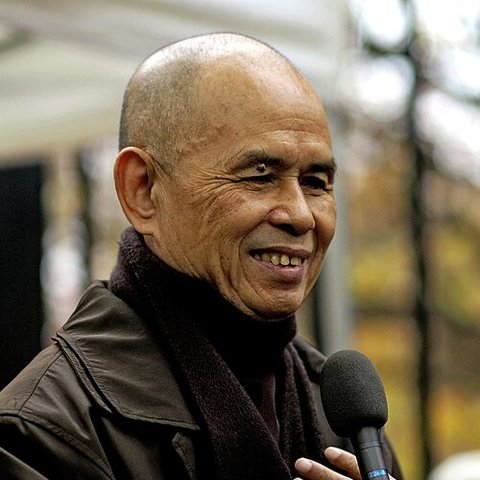 Thích Nhất HạnhThích Nhất Hạnh was a Vietnamese Thiền Buddhist monk, peace activist, prolific author, poet, and teacher, who founded the Plum Village Tradition, historically recognized as the main inspiration for engaged Buddhism. Known as the "father of mindfulness", Nhất Hạnh was a major influence on Western practices of Buddhism.
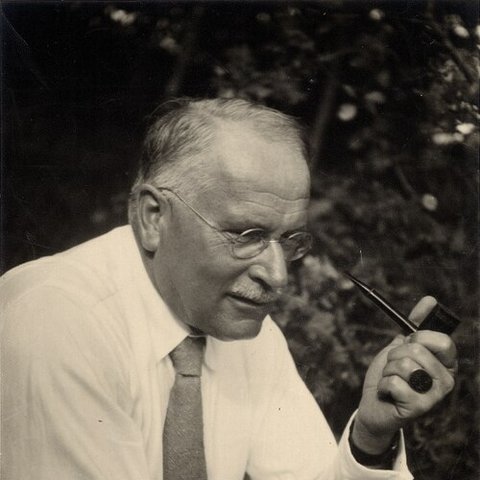 Carl JungCarl Gustav Jung was a Swiss psychiatrist, psychotherapist, and psychologist who founded the school of analytical psychology. He was a prolific author of over twenty books, illustrator, correspondent, and academic, best known for his concept of archetypes. Widely considered one of the most influential psychologists of all time, Jung's work has fostered not only scholarship, but also popular interest. His work has been influential in the fields of psychiatry, anthropology, archaeology, literature, philosophy, psychology, and religious studies.
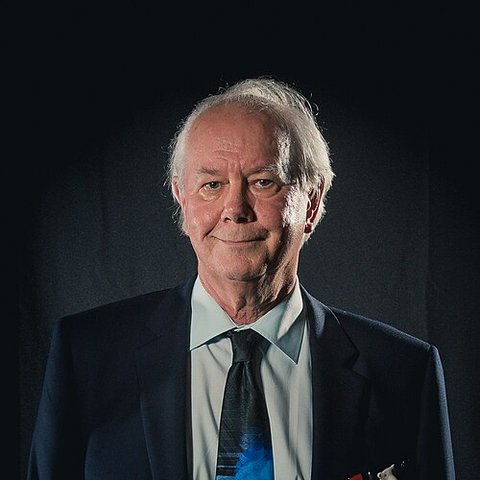 Ian StewartIan Andrew Robert Stewart (18 July 1938 – 12 December 1985) was a Scottish keyboardist and co-founder of the Rolling Stones. He was removed from the lineup in May 1963 at the request of manager Andrew Loog Oldham who felt he did not fit the band's image. He remained as road manager and pianist for over two decades until his death, and was posthumously inducted into the Rock and Roll Hall of Fame along with the rest of the band in 1989.
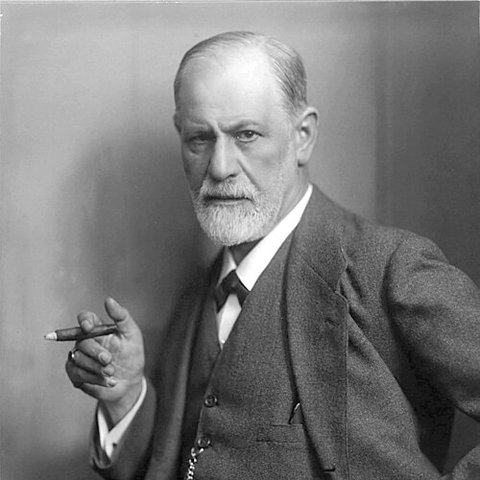 Sigmund FreudSigmund Freud was an Austrian neurologist and the founder of psychoanalysis, a clinical method for evaluating and treating pathologies arising from conflicts in the psyche through dialogue between patient and psychoanalyst, and the distinctive theory of mind and human agency it posits.
