

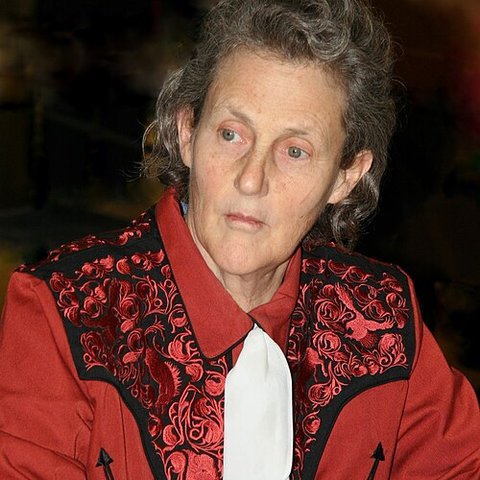
 Author
Temple Grandin
Mary Temple Grandin (born August 29, 1947) is an American academic, inventor, and ethologist. She is a prominent proponent of the humane treatment of livestock for slaughter and the author of more than 60 scientific papers on animal behavior. Grandin is a consultant to the livestock industry, where she offers advice on animal behavior. Grandin is one of the first autistic people to document the insights she gained from her personal experiences with autism. She is a faculty member with Animal Sciences in the College of Agricultural Sciences at Colorado State University. In 2010, Time 100, an annual list of the 100 most influential people in the world, named her in the "Heroes" category. She was the subject of the Primetime Emmy Award- and Golden Globe-winning biographical film Temple Grandin (2010).
Get new book alerts for Temple in the app.


Books by Temple Grandin
Every published title we have in the catalogue, ordered by their library.
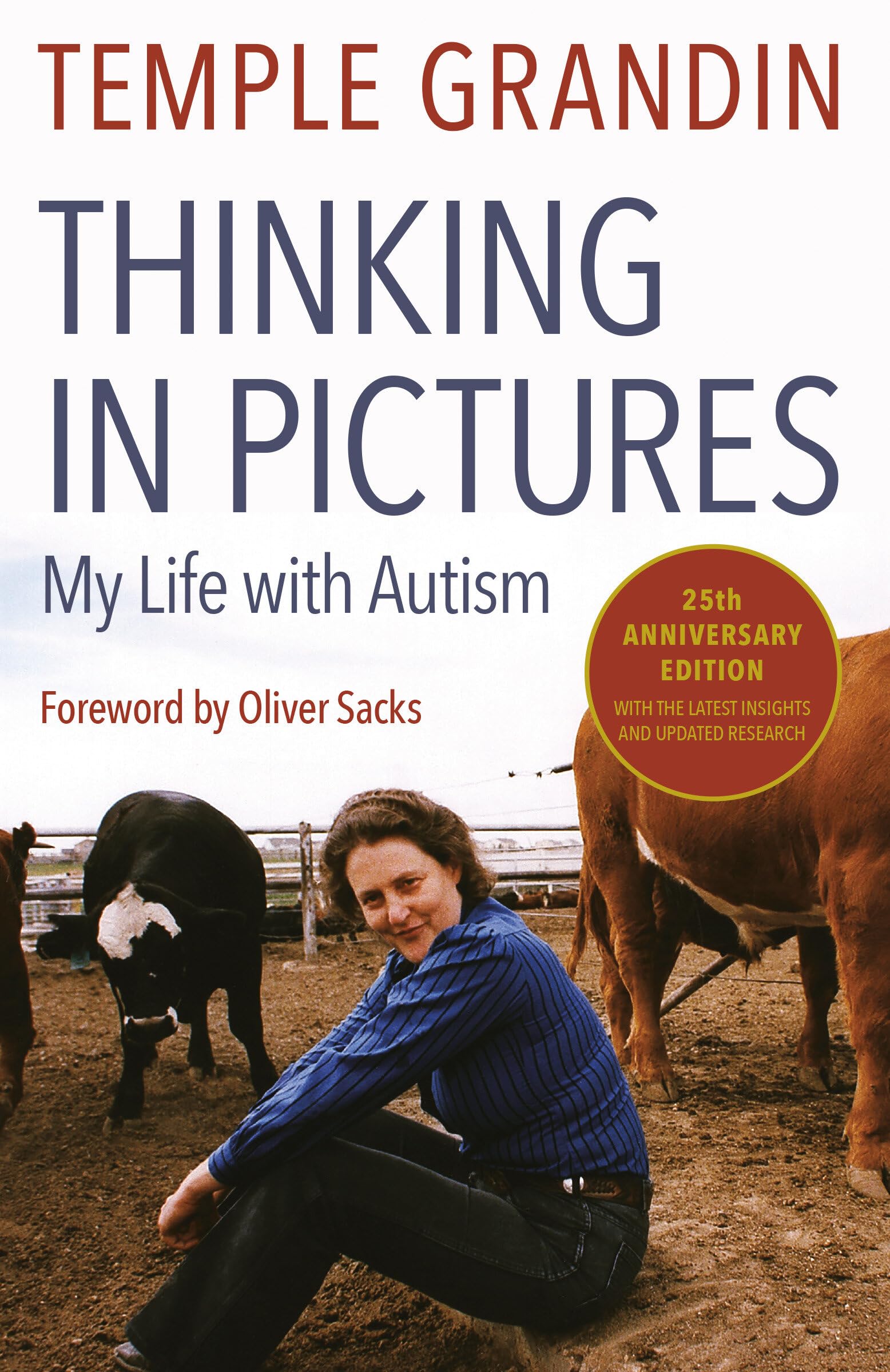
Thinking in Pictures, Expanded Edition
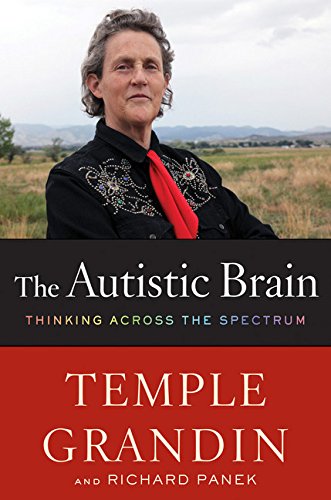
The Autistic Brain
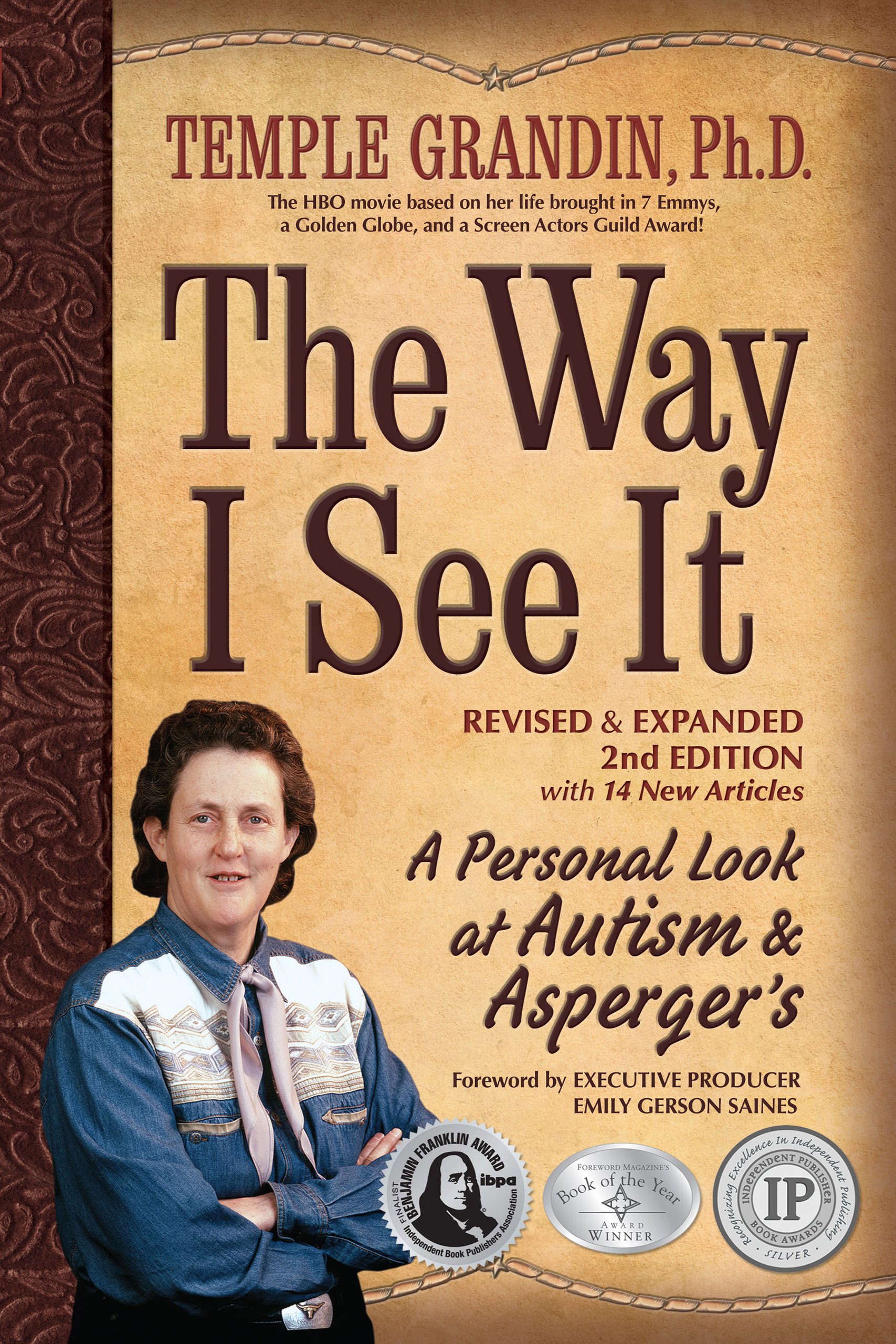
The Way I See It

Animals in Translation
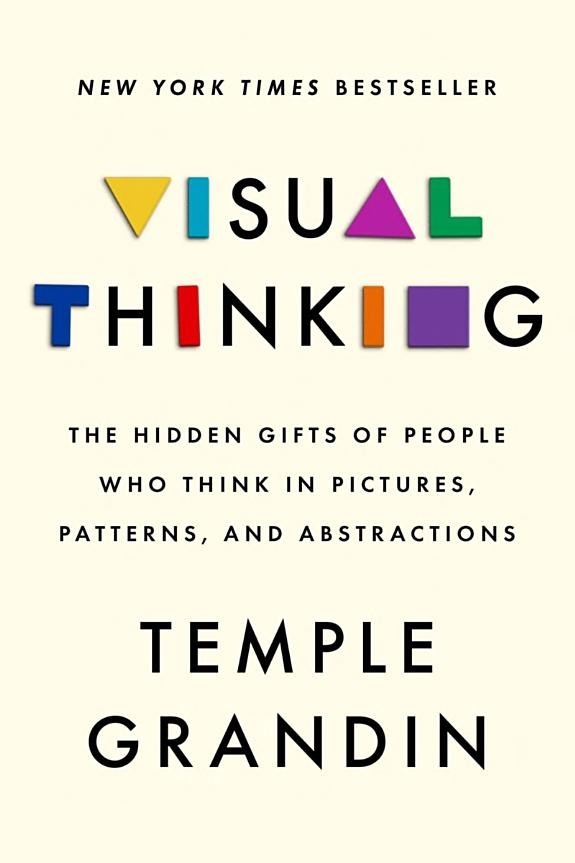
Visual Thinking

Developing Talents
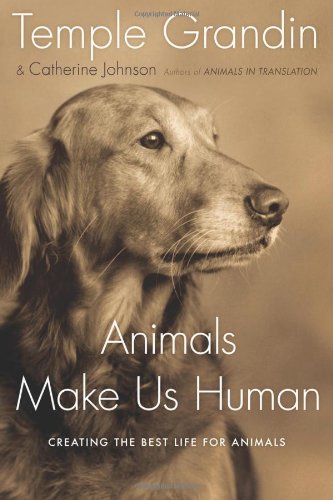
Animals Make Us Human

Autism Spectrum Disorders
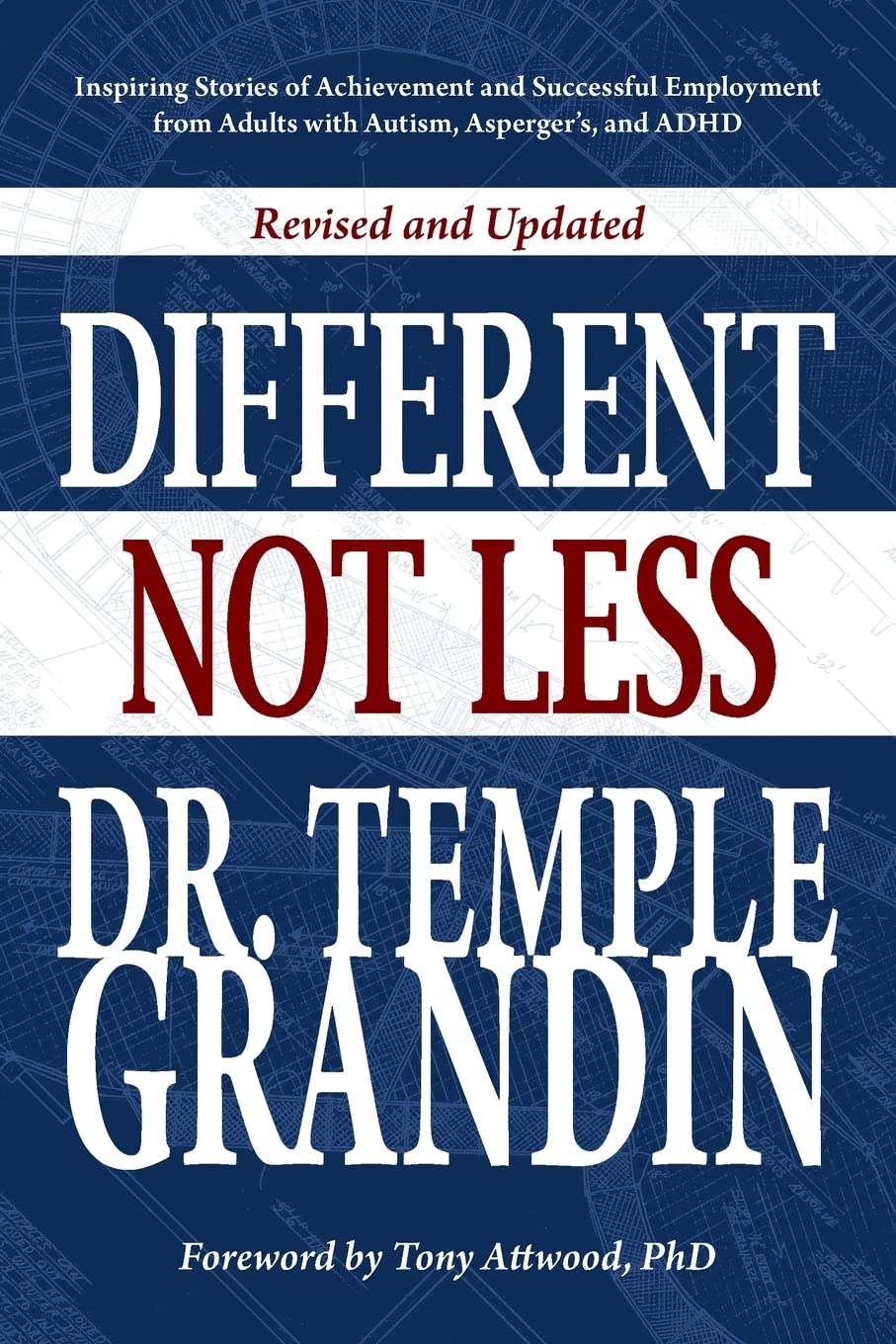
Different, Not Less

Emergence
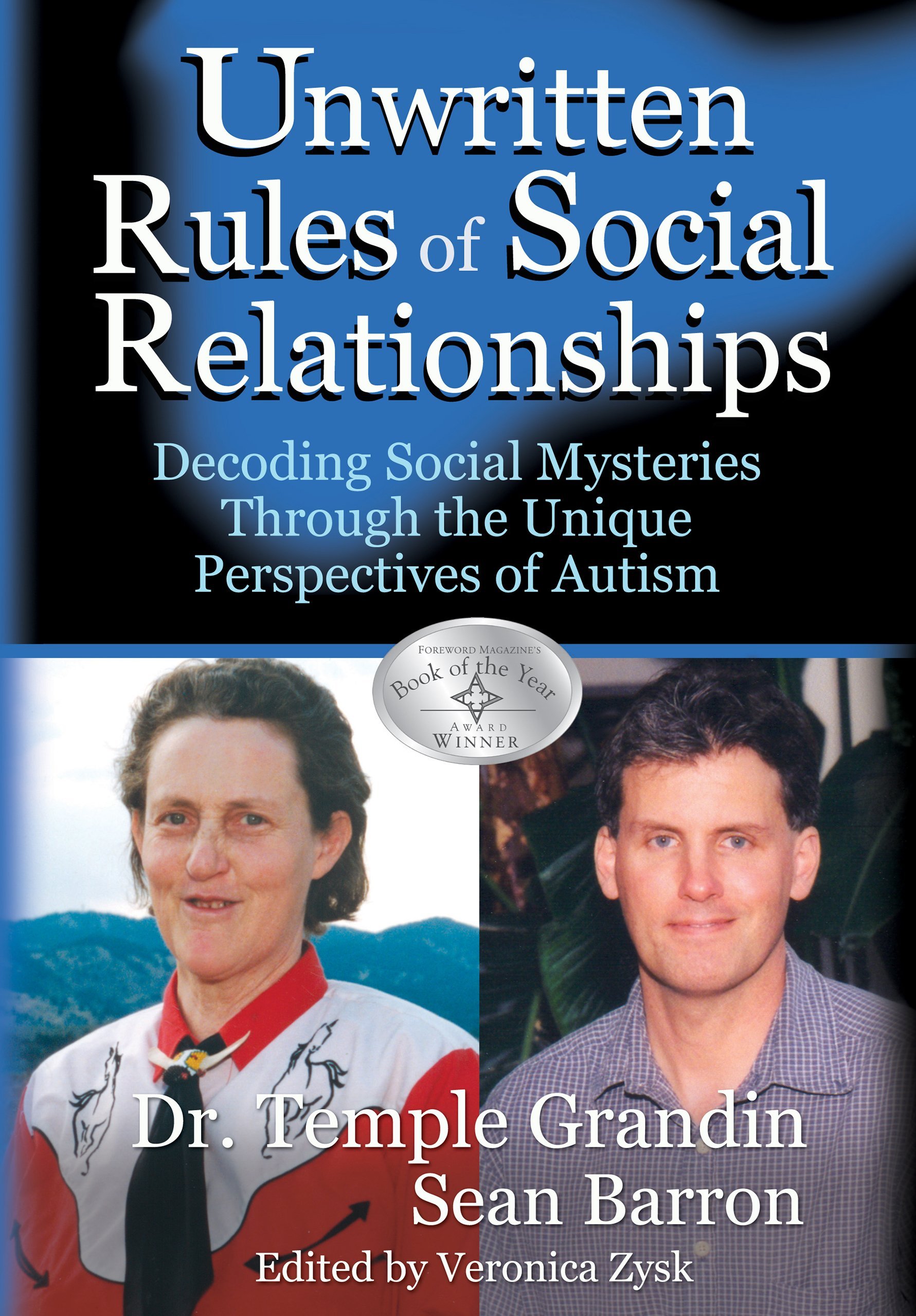
The Unwritten Rules of Social Relationships
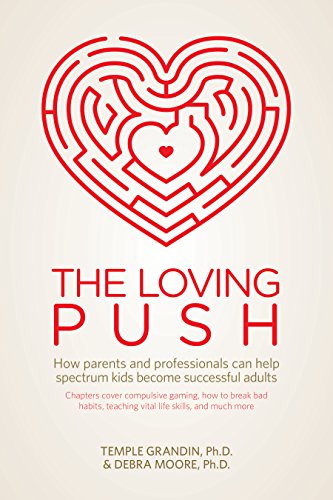
The Loving Push
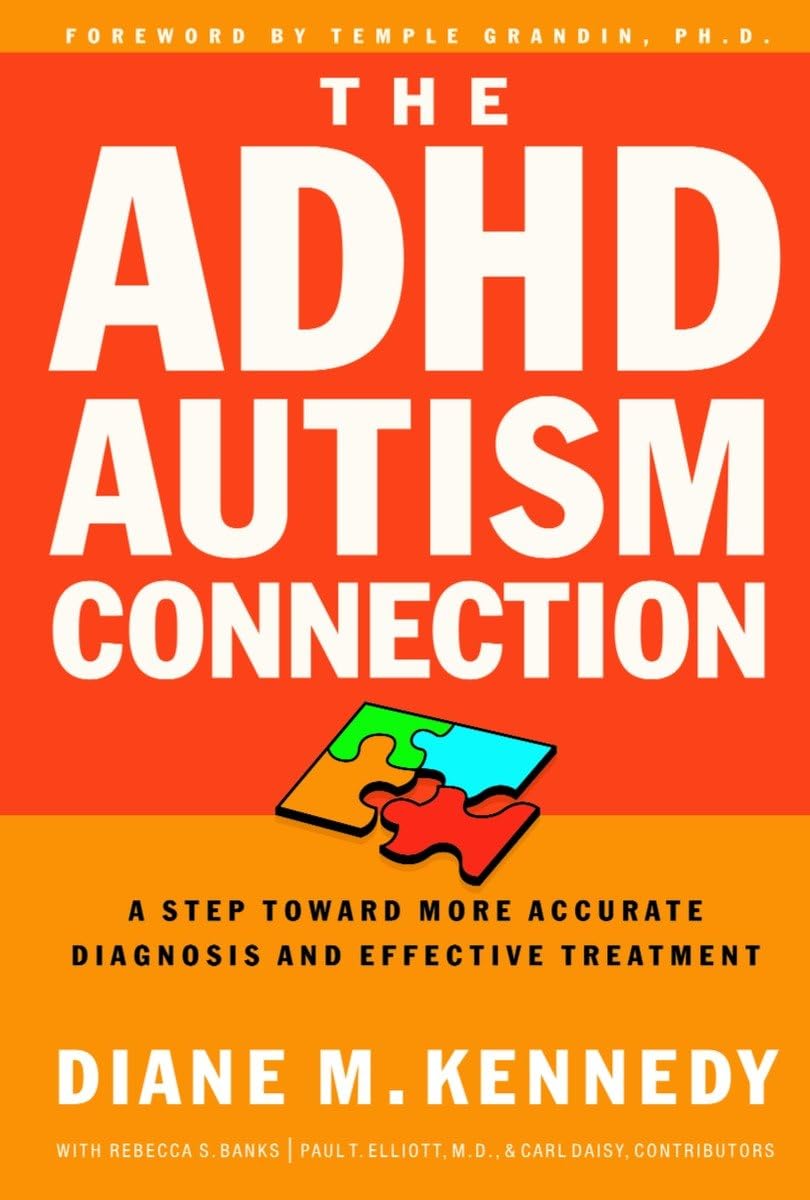
The ADHD-Autism Connection
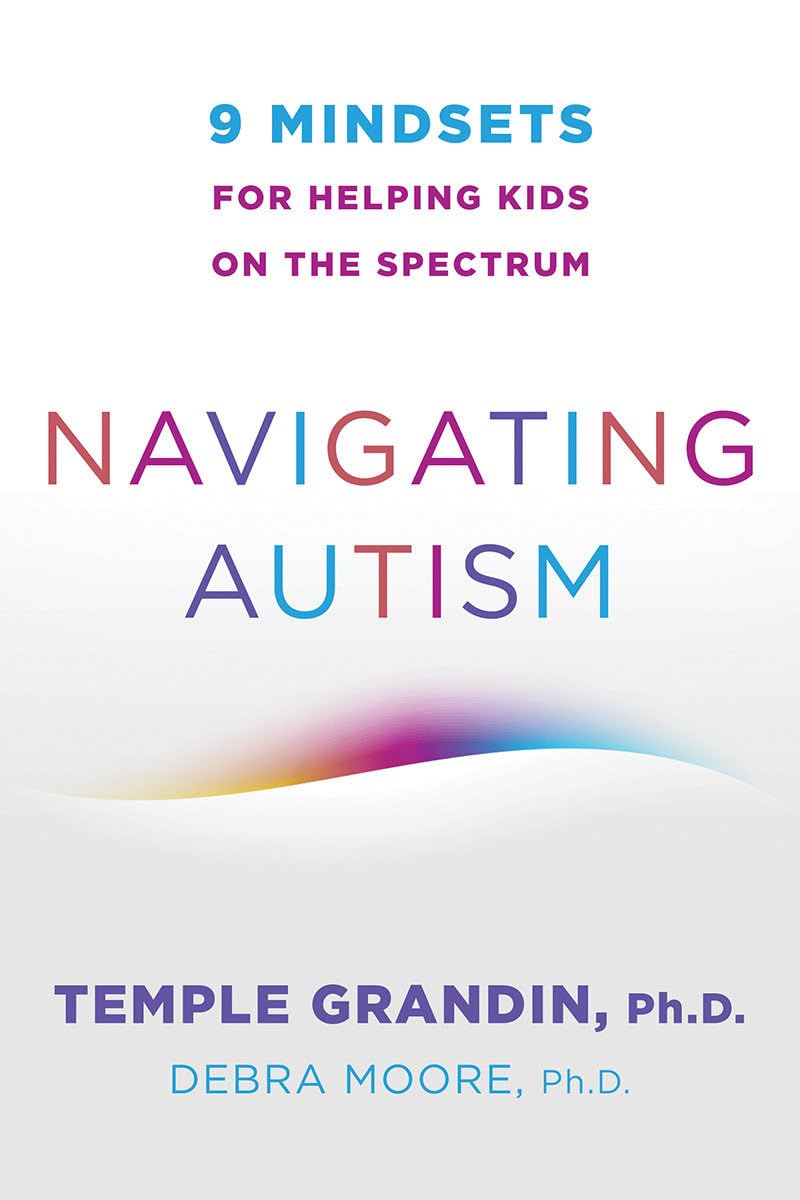
Navigating Autism

Calling all minds
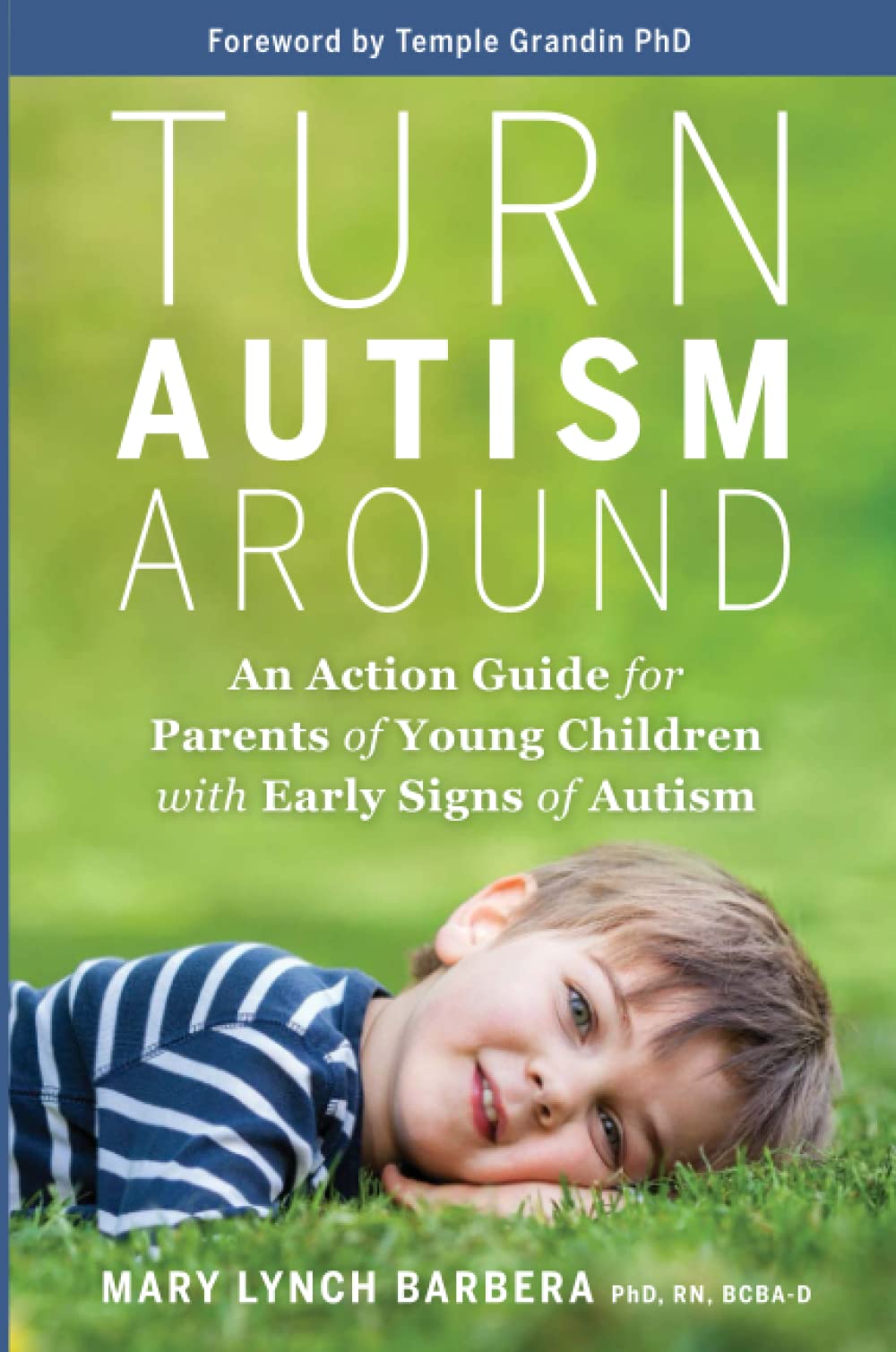
Turn Autism Around
Understanding Autism for Dummies

El cerebro autista

Making animals happy

Humane Livestock Handling

Infantile autism

Livestock Handling and Transport
Asperger's and Girls

Improving Animal Welfare

Temple Talks about Autism and Sensory Issues

El lenguaje de los animales. Una enriquecedora interpretación desde el autismo.

Visti da vicino
In the Company of Bears
Autismo y Educación

Genetics and the Behavior of Domestic Animals

Interpretar a Los Animales

Ware jiheishō ni umarete

Autism and Girls

Autyzm i problemy natury sensorycznej

Atravesando Las Puertas Del Autismo

Penser en images et autres témoignages sur l'autisme

Infancia sensorialmente inteligente

Jiheishō no sainō kaihatsu
El lenguaje de los animales
More authors
Writers readers often explore alongside this one.
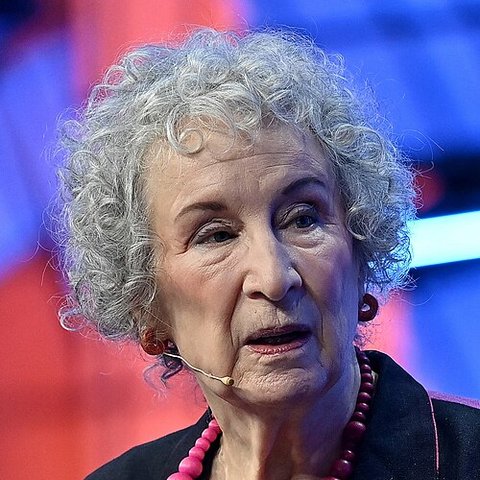 Margaret AtwoodMargaret Eleanor Atwood (born November 18, 1939) is a Canadian novelist, poet, literary critic, and inventor. Since 1961, she has published 18 books of poetry, 18 novels, 11 books of nonfiction, nine collections of short fiction, eight children's books, two graphic novels, and a number of small press editions of both poetry and fiction. Her best-known work is the 1985 dystopian novel The Handmaid's Tale. Atwood has won numerous awards and honors for her writing, including two Booker Prizes, the Arthur C. Clarke Award, the Order of Canada, the Franz Kafka Prize, the Prince of Asturias Award for literature, and the National Book Critics and PEN Center USA Lifetime Achievement Awards. A number of her works have been adapted for film and television.
Atwood's works encompass a variety of themes including gender and Canadian identity, religion and myth, the power of language, climate change, genetic engineering, and power politics. Many of her poems are inspired by myths and fairy tales which interested her from a very early age.
Atwood is a founder of the Griffin Poetry Prize and the Writers' Trust of Canada. She is also a Senior Fellow of Massey College, Toronto. She is the inventor of the LongPen device and associated technologies that facilitate remote robotic writing of documents.
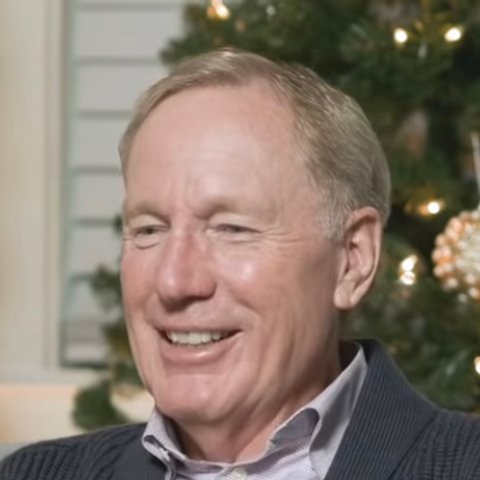 Max LucadoMax Lucado (born January 11, 1955) is an American author and minister at Oak Hills Church (formerly the Oak Hills Church of Christ) in San Antonio, Texas.
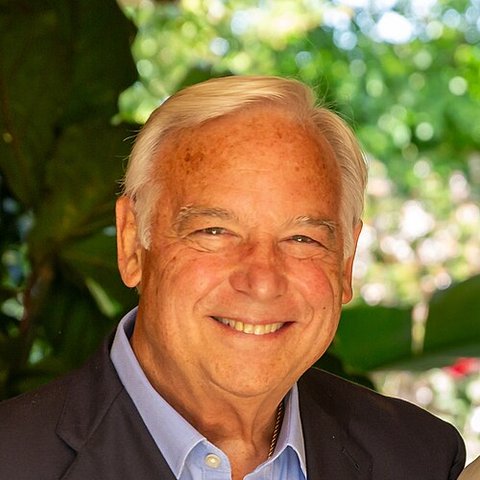 Jack CanfieldJack Canfield (born August 19, 1944) is an American author and motivational speaker. He is the co-author of the Chicken Soup for the Soul series, which has more than 250 titles and 500 million copies in print in over 40 languages. In 2005 Canfield co-authored with Janet Switzer The Success Principles: How to Get From Where You Are to Where You Want to Be.Bobbie KalmanBobbie Kalman is a Canadian author of children's nonfiction about nature, geography and history, including The Life Cycle of a Butterfly and the Historic Communities series. Born in Hungary, she fled with her family during the 1956 revolution.
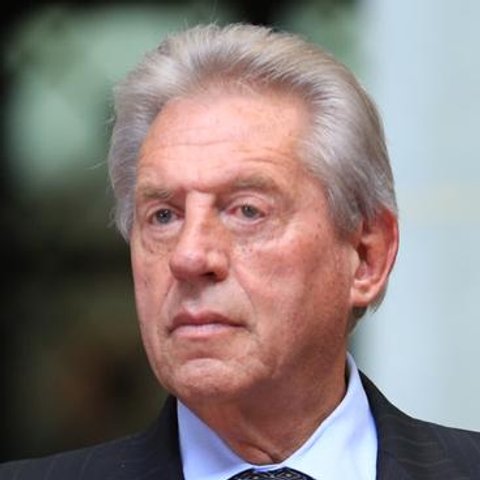 John C. MaxwellJohn C. Maxwell is an American author, speaker, and pastor who has written books primarily focused on leadership. Titles include The 21 Irrefutable Laws of Leadership and The 21 Indispensable Qualities of a Leader. Some of his books have been on the New York Times Best Seller list.
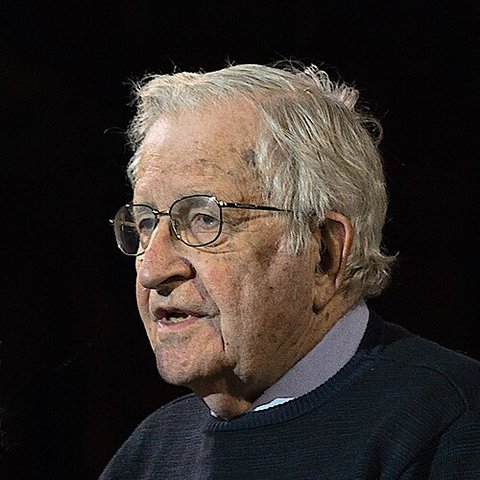 Noam ChomskyAvram Noam Chomsky (born December 7, 1928) is an American intellectual, philosopher, linguist, political activist, and social critic. Sometimes called "the father of modern linguistics", Chomsky is also a major figure in analytic philosophy and one of the founders of the field of cognitive science. He is a laureate professor of linguistics at the University of Arizona and an institute professor emeritus at the Massachusetts Institute of Technology (MIT).
Among the most cited living authors, Chomsky has written more than 150 books on topics such as linguistics, war, and politics. In addition to his work in linguistics, since the 1960s, Chomsky has been an influential voice on the American Left as a consistent critic of the foreign policy of the United States, contemporary capitalism, and corporatocracy.
Born to immigrant Ashkenazi Jews in Philadelphia, Chomsky developed an early interest in anarchism from alternative bookstores in New York City. He studied at the University of Pennsylvania. During his postgraduate work in the Harvard Society of Fellows, Chomsky developed the theory of transformational grammar for which he earned his doctorate in 1955. That year he began teaching at MIT, and in 1957 emerged as a significant figure in linguistics with his landmark work Syntactic Structures, which played a major role in remodeling the study of language.
From 1958 to 1959 Chomsky was a National Science Foundation fellow at the Institute for Advanced Study. He created or co-created the universal grammar theory, the generative grammar theory, the Chomsky hierarchy, and the minimalist program. Chomsky also played a pivotal role in the decline of linguistic behaviorism, and was particularly critical of the work of B. F. Skinner.
An outspoken opponent of U.S. involvement in the Vietnam War, which he saw as an act of American imperialism, in 1967 Chomsky rose to national attention for his anti-war essay "The Responsibility of Intellectuals". Becoming associated with the New Left, he was arrested multiple times for his activism and placed on President Richard Nixon's list of political opponents. As his work in linguistics gained prominence and influence during the 1960s, it fomented the linguistics wars. In collaboration with Edward S. Herman, Chomsky later articulated the propaganda model of media criticism in Manufacturing Consent, and worked to expose the Indonesian occupation of East Timor.
Chomsky's defense of unconditional freedom of speech, including that of Holocaust denial, generated significant controversy in the Faurisson affair of the 1980s. Chomsky's commentary on the Cambodian genocide and the Bosnian genocide also generated controversy. Since retiring from active teaching at MIT, he has continued his vocal political activism, including opposing the 2003 invasion of Iraq and supporting the Occupy movement. An anti-Zionist, Chomsky considers Israel's treatment of Palestinians to be worse than South African–style apartheid, and criticizes U.S. support for Israel.
Chomsky is widely recognized as having helped to spark the cognitive revolution in the human sciences, contributing to the development of a new cognitivistic framework for the study of language and the mind. Chomsky remains a leading critic of U.S. foreign policy, contemporary capitalism, U.S. involvement and Israel's role in the Israeli–Palestinian conflict, and mass media. Chomsky and his ideas remain highly influential in the anti-capitalist and anti-imperialist movements.
