

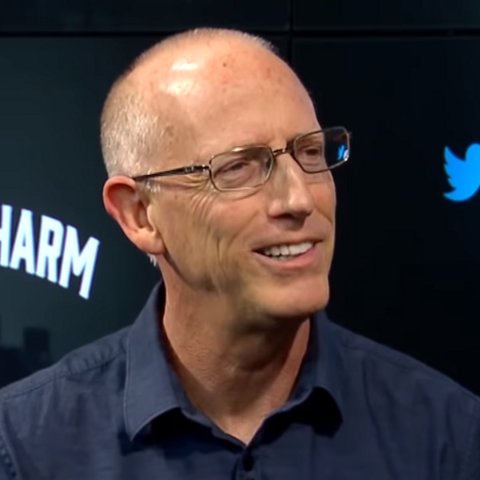
 Author
Scott Adams
Scott Raymond Adams (June 8, 1957 – January 13, 2026) was an American cartoonist, author, and commentator. He was famous as the creator of the Dilbert comic strip and nonfiction works of business, self-improvement, commentary, and satire. Adams created Dilbert in 1989 and worked in corporate roles before becoming a full-time cartoonist in 1995. By the mid-1990s, Dilbert had gained national prominence in the United States and began to reach a worldwide audience, remaining popular throughout the following decades and spawning several books written by Adams. In the mid-2010s, Adams emerged as an independent commentator on events and politics. He wrote satire about the social and psychological landscape of white-collar workers in corporations. In addition, Adams wrote books in other areas, including the pandeistic spiritual novella God's Debris (2001) and books on political and management topics, including Loserthink (2019). In February 2023, Dilbert was dropped by numerous newspapers and its distributor, Andrews McMeel Syndication, after Adams made racist comments on his Real Coffee YouTube channel, which he defended as hyperbole. He relaunched Dilbert as a webcomic on his Locals website one month later and continued to be active on social media. Adams announced he was diagnosed with prostate cancer in May 2025 and retired from drawing that year, but stated he would continue writing Dilbert as long as he was able. He died on January 13, 2026, at the age of 68.
Get new book alerts for Scott in the app.


Books by Scott Adams
Every published title we have in the catalogue, ordered by their library.
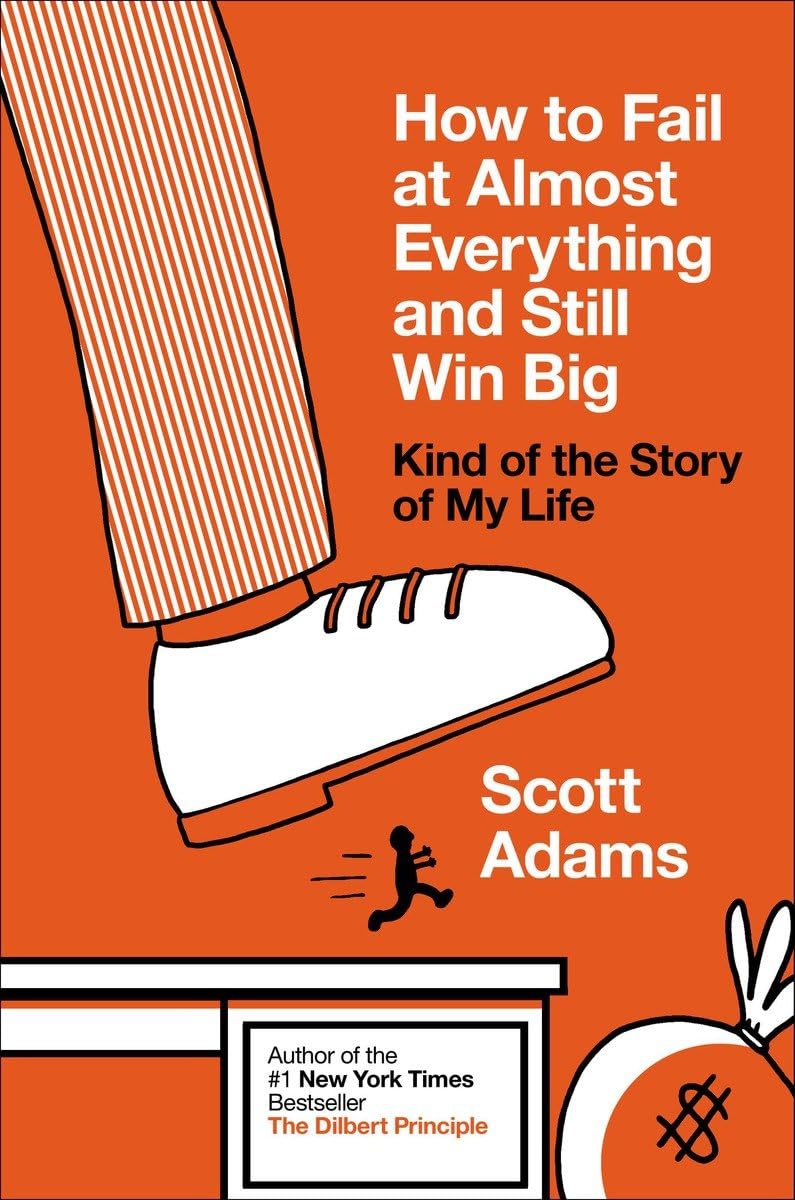
How to Fail at Almost Everything and Still Win Big

The Dilbert Future

God's Debris

The Dilbert Principle
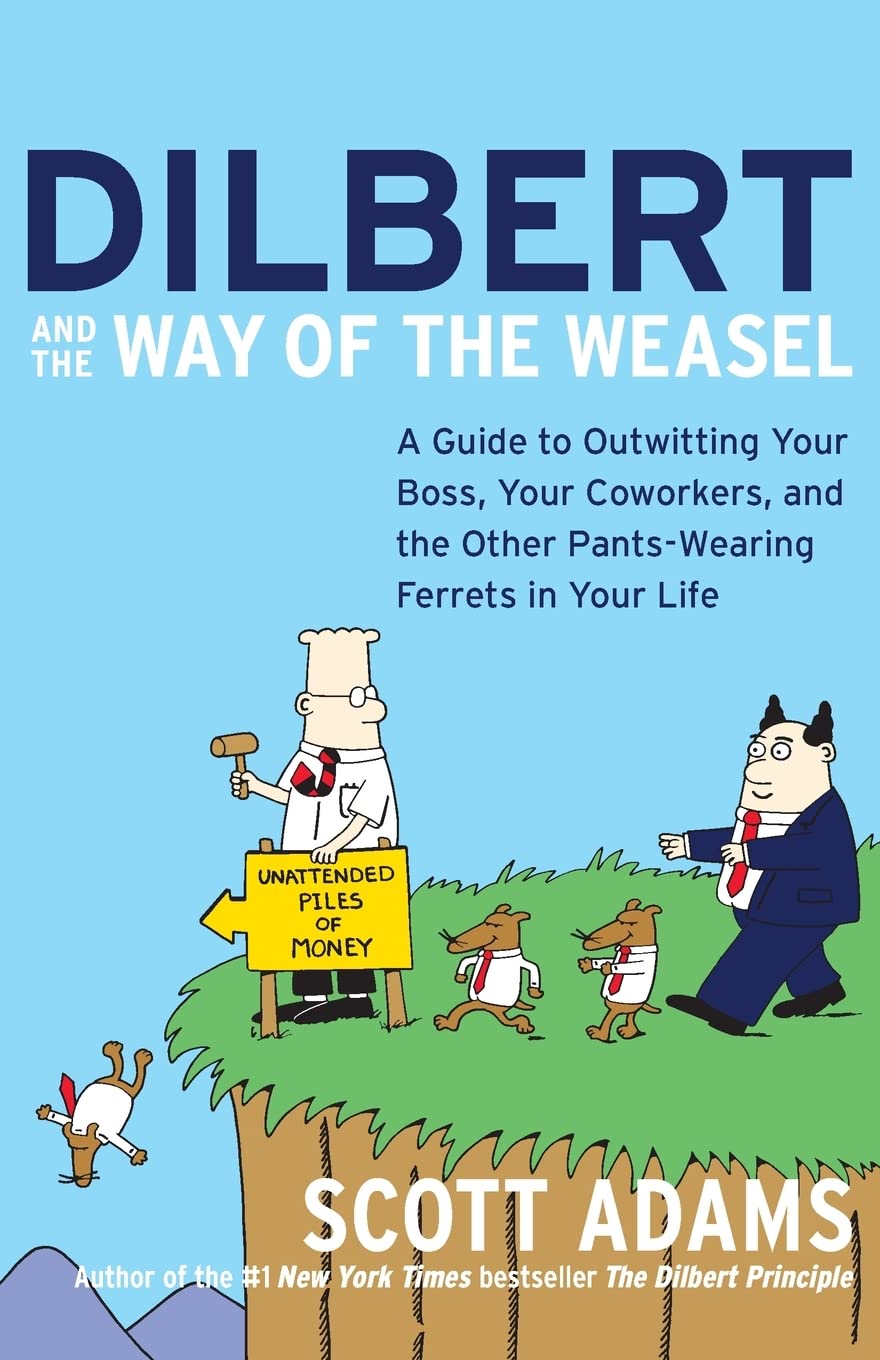
Dilbert and the Way of the Weasel

Win Bigly

It's obvious you won't survive by your wits alone

Dogbert's Top Secret Management Handbook

Build a better life by stealing office supplies

I'm Not Anti-Business, I'm Anti-Idiot [Dilbert]
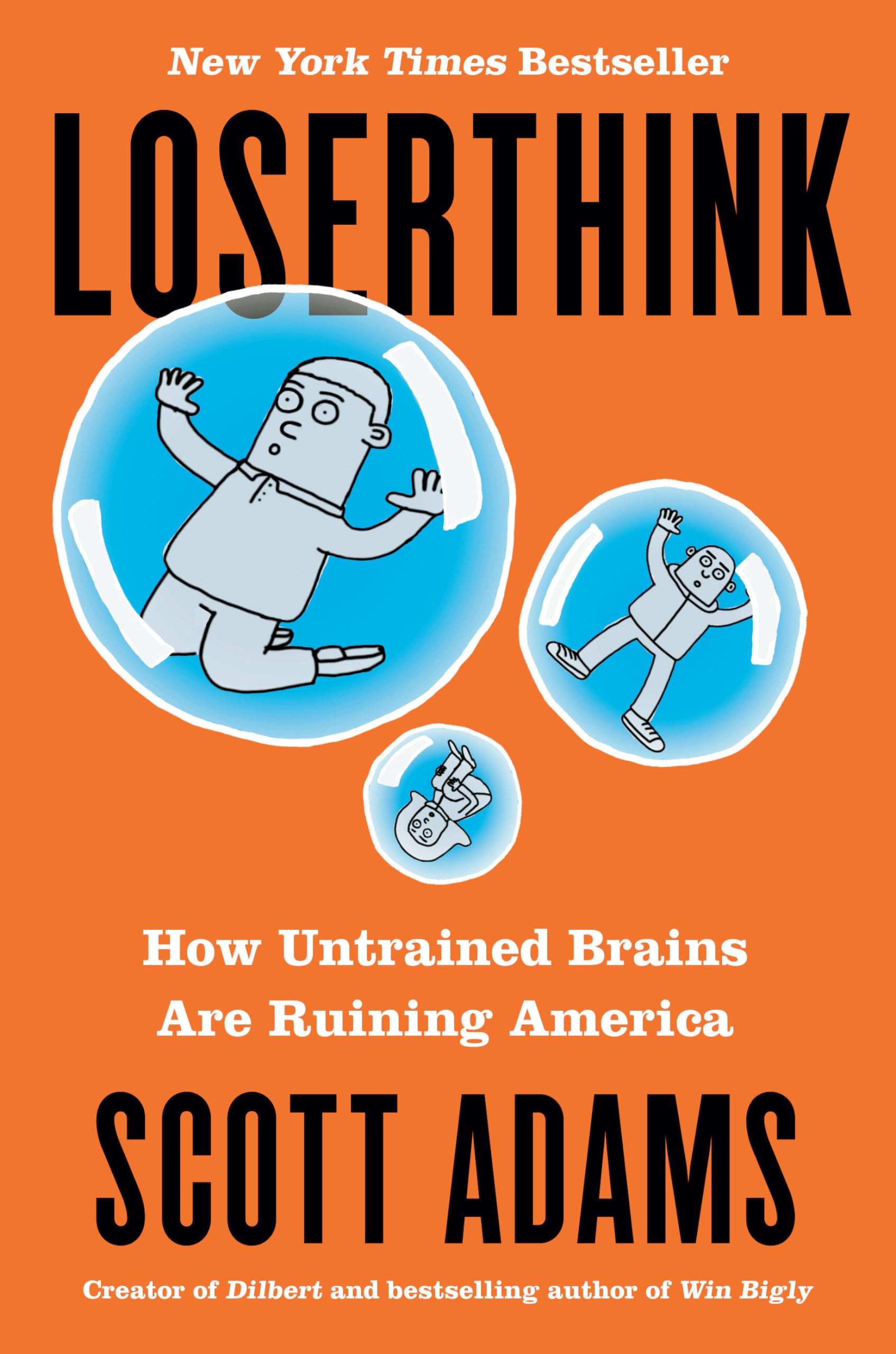
Loserthink

Seven Years of Highly Defective People
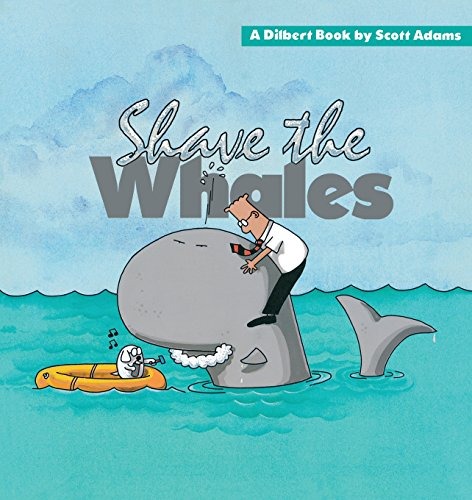
Shave the whales

I Can't Remember If We're Cheap or Smart

This Is the Part Where You Pretend to Add Value

Teamwork Means You Can't Pick the Side That's Right

Dilbert's guide to the rest of your life

Religion War

Still Pumped from Using the Mouse

The Dilbert bunch

Dilbert Gives You the Business
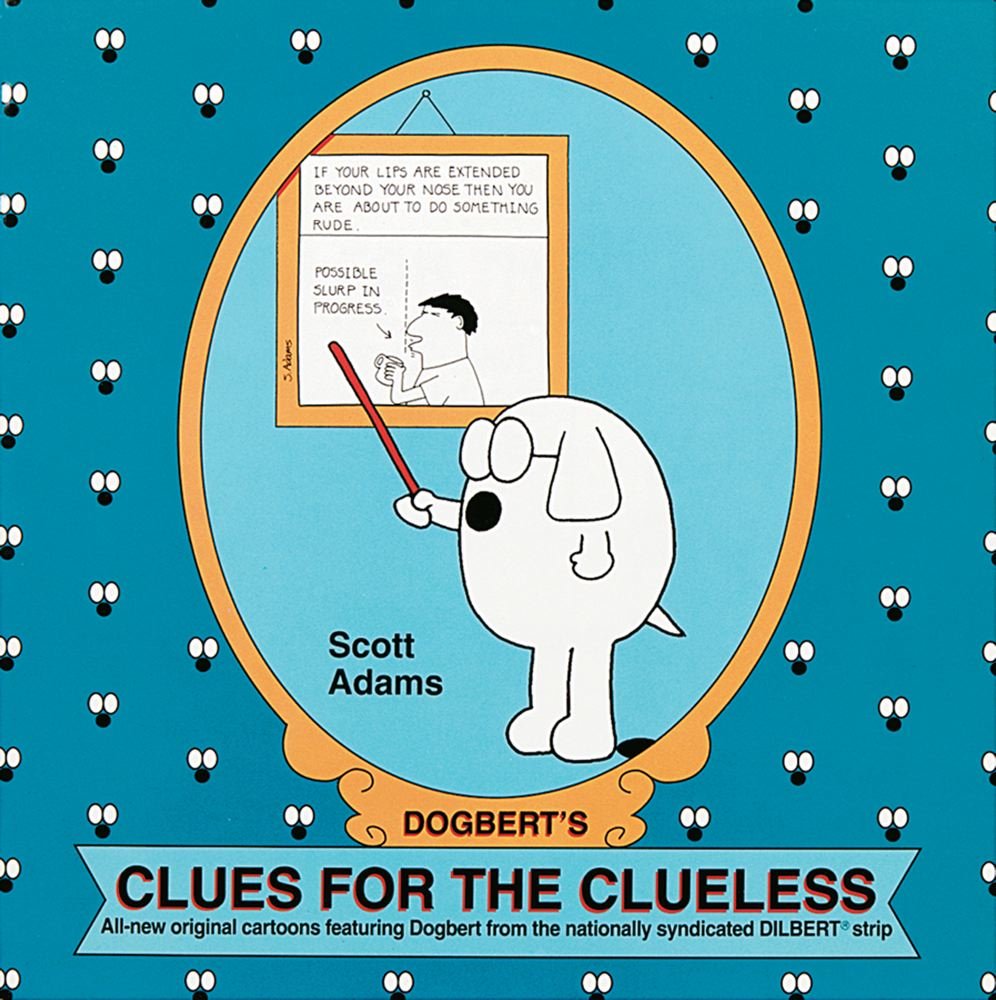
Dogbert's clues for the clueless

Optimism Sounds Exhausting

Slapped Together

What do you call a sociopath in a cubicle?

Reframe Your Brain

Please don't feed the egos

All Dressed Down and Nowhere to Go

Freedom is just another word for people finding out you're useless

Go Add Value Someplace Else

Im Tempted To Stop Acting Randomly Dilbert

Cómo fracasar en casi todo y aun así triunfar

It's Not Funny If I Have to Explain It

Alice in blunderland

No-- you'd better watch out

Journey to Cubeville

You can't schedule stupidity

Positive Attitude

Work--the Wally way

Trapped in a Dilbert World

The Boss: Nameless, Blameless & Shameless

Cal 99 Dilbert

Casual Day Has Gone Too Far

Random acts of catness

Don't step in the leadership

Dilbert Dont Step In The Leadership

Pumped and Ready to Send!

Cubicles That Make You Envy the Dead

Cubes and Punishment
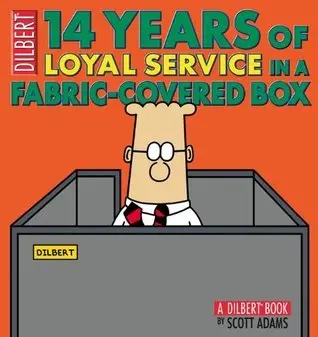
14 Years of Loyal Service in a Fabric-Covered Box
Showing 50 of 71 books. The rest are in the app.
Open the appMore authors
Writers readers often explore alongside this one.
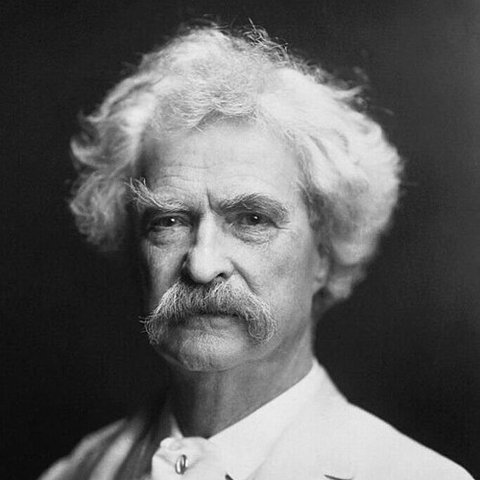 Mark TwainSamuel Langhorne Clemens (November 30, 1835 – April 21, 1910), known by the pen name Mark Twain, was an American writer, humorist, and essayist. He has been praised as the "greatest humorist the United States has produced", with William Faulkner calling him "the father of American literature". Twain's novels include The Adventures of Tom Sawyer (1876) and its sequel, Adventures of Huckleberry Finn (1884), with the latter often called the "Great American Novel". He also wrote A Connecticut Yankee in King Arthur's Court (1889) and Pudd'nhead Wilson (1894) and cowrote The Gilded Age: A Tale of Today (1873) with Charles Dudley Warner.
Twain was raised in Hannibal, Missouri, which later provided the setting for both Tom Sawyer and Huckleberry Finn. He served an apprenticeship with a printer early in his career, and then worked as a typesetter, contributing articles to his older brother Orion Clemens's newspaper. Twain then became a riverboat pilot on the Mississippi River, which provided him the material for Life on the Mississippi (1883). Soon after, Twain headed west to join Orion in Nevada. He referred humorously to his lack of success at mining, turning to journalism for the Virginia City Territorial Enterprise.
Twain first achieved success as a writer with the humorous story "The Celebrated Jumping Frog of Calaveras County," which was published in 1865; it was based on a story that he heard at the Angels Hotel in Angels Camp, California, where Twain had spent some time while he was working as a miner. The short story brought Twain international attention. He wrote both fiction and non-fiction. As his fame grew, Twain became a much sought-after speaker. His wit and satire, both in prose and in speech, earned praise from critics and peers, and Twain was a friend to presidents, artists, industrialists, and European royalty.
Although Twain initially spoke out in favor of American interests in the Hawaiian Islands, he later reversed his position, going on to become vice president of the American Anti-Imperialist League from 1901 until his death in 1910, coming out strongly against the Philippine–American War and American colonialism. Twain published a satirical pamphlet, "King Leopold's Soliloquy", in 1905 about Belgian atrocities in the Congo Free State.
Twain earned a great deal of money from his writing and lectures, but invested in ventures that lost most of it, such as the Paige Compositor, a mechanical typesetter that failed because of its complexity and imprecision. He filed for bankruptcy after these financial setbacks, but in time overcame his financial troubles with the help of Standard Oil executive Henry Huttleston Rogers, who helped Twain manage his finances and copyrights. Twain eventually paid all his creditors in full, even though his declaration of bankruptcy meant he was not required to do so. One hundred years after his death, the first volume of his autobiography was published.
Twain was born shortly after an appearance of Halley's Comet and predicted that his death would accompany it as well, writing in 1909: "I came in with Halley's Comet in 1835; it's coming again next year, and I expect to go out with it. It would be a great disappointment in my life if I don't. The Almighty has said, no doubt: 'Now here are these two unaccountable freaks; they came in together, they must go out together.'" He died of a heart attack the day after the comet was at its closest to the Sun.
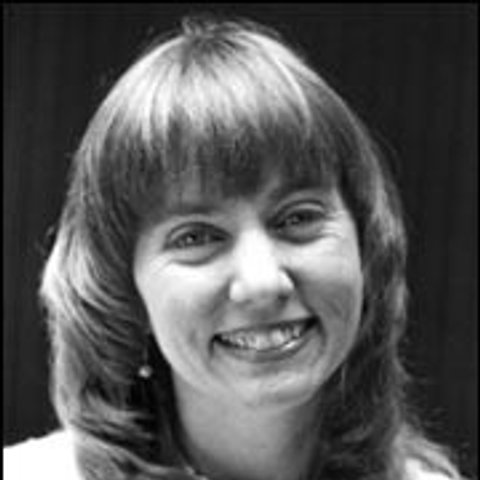 Cynthia RylantCynthia Rylant is an American author and librarian. She has written more than 100 children's books including works of fiction, nonfiction, and poetry. Several of her books have won awards including her novel Missing May, which won the 1993 Newbery Medal, and A Fine White Dust, which was a 1987 Newbery Honor book. Two of her books are Caldecott Honor Books.
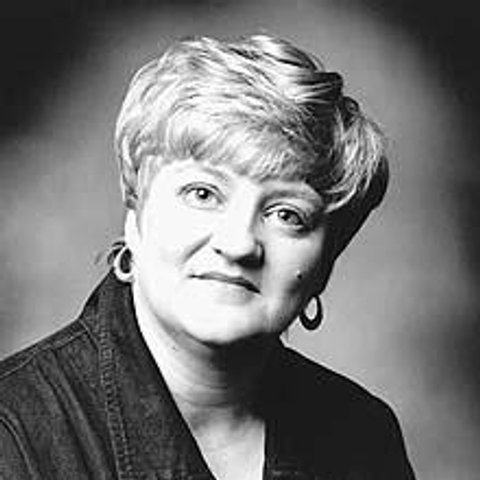 Lynne GrahamLynne Graham is a Northern Irish author of over 100 romance novels. She published her novels in Mills & Boon since 1987.
 Emma DarcyEmma Darcy is the pseudonym used by the Australian husband–wife writing team of Wendy Brennan and Frank Brennan. They wrote, in collaboration, over 45 romance novels. After Frank's death, Wendy continued writing, for a total of 106 romance novels.
 Marc BrownMarc Tolon Brown is an American illustrator and children's book author best known for writing and illustrating the Arthur book series, which was later adapted into an animated TV series that aired on PBS Kids and other country channels. He has also written and illustrated other books, and collaborated with his wife Laurene Krasny Brown on the Dino Life Guides for Families series.
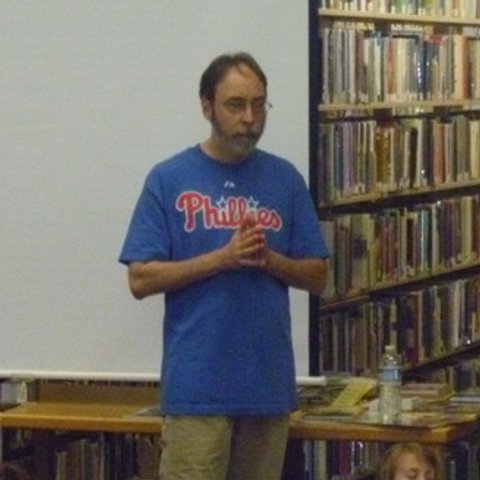 Dan GutmanDan Gutman is an American writer, primarily of children's fiction.
