

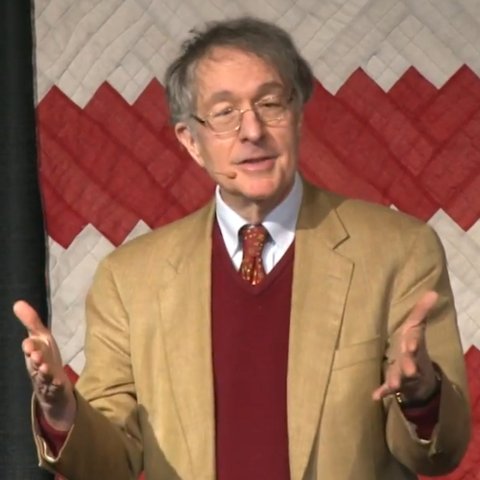
 Author
Howard Gardner
Howard Earl Gardner (born July 11, 1943) is an American developmental psychologist and the John H. and Elisabeth A. Hobbs Research Professor of Cognition and Education at Harvard University. He was a founding member of Harvard Project Zero in 1967 and held leadership roles at that research center from 1972 to 2023. Since 1995, he has been the co-director of The Good Project. Gardner has written hundreds of research articles and over thirty books that have been translated into over thirty languages. He is best known for his theory of multiple intelligences, as outlined in his 1983 book Frames of Mind: The Theory of Multiple Intelligences. Gardner retired from teaching in 2019. In 2020, he published his intellectual memoir A Synthesizing Mind. He continues his research and writing, including several blogs.
Get new book alerts for Howard in the app.


Books by Howard Gardner
Every published title we have in the catalogue, ordered by their library.

Frames of Mind
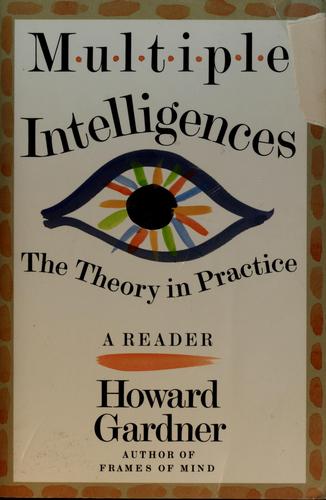
Multiple Intelligences
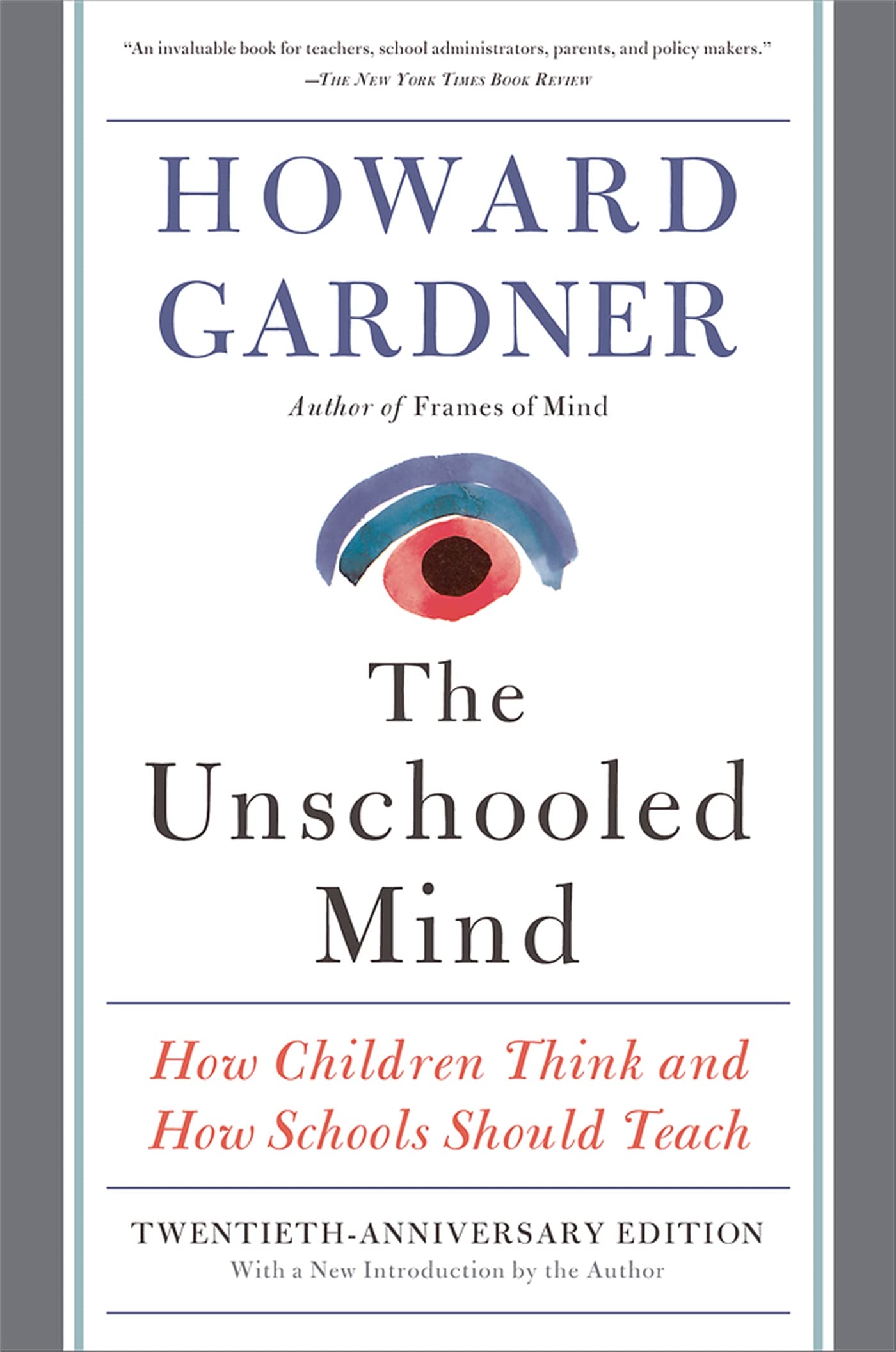
The Unschooled Mind
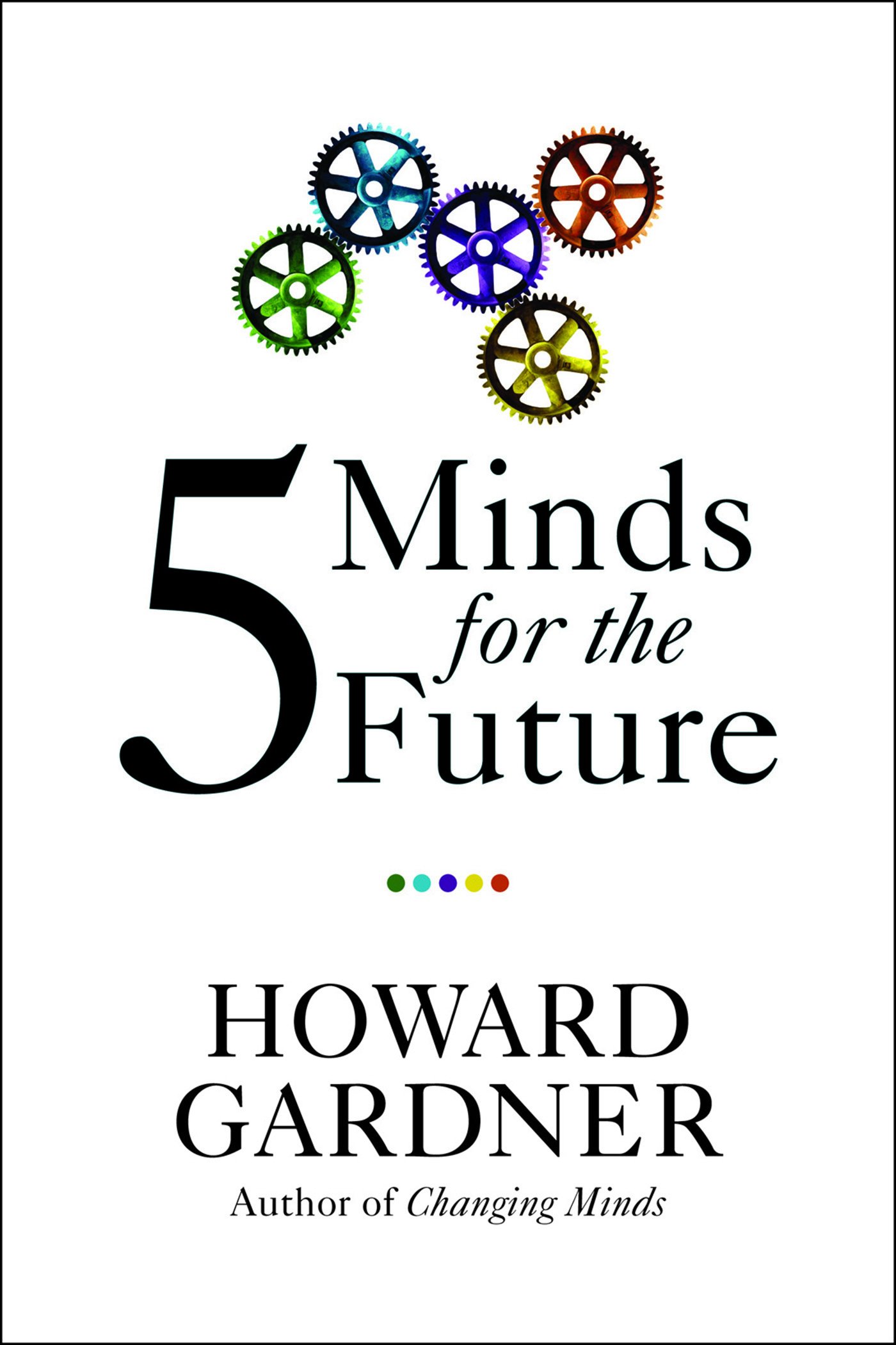
Five Minds for the Future
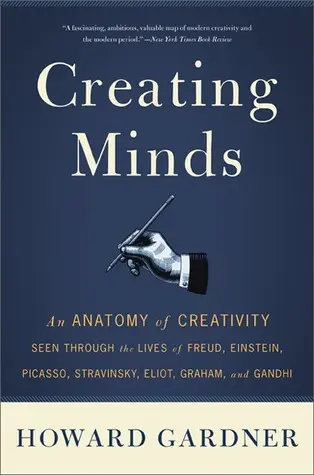
Creating Minds
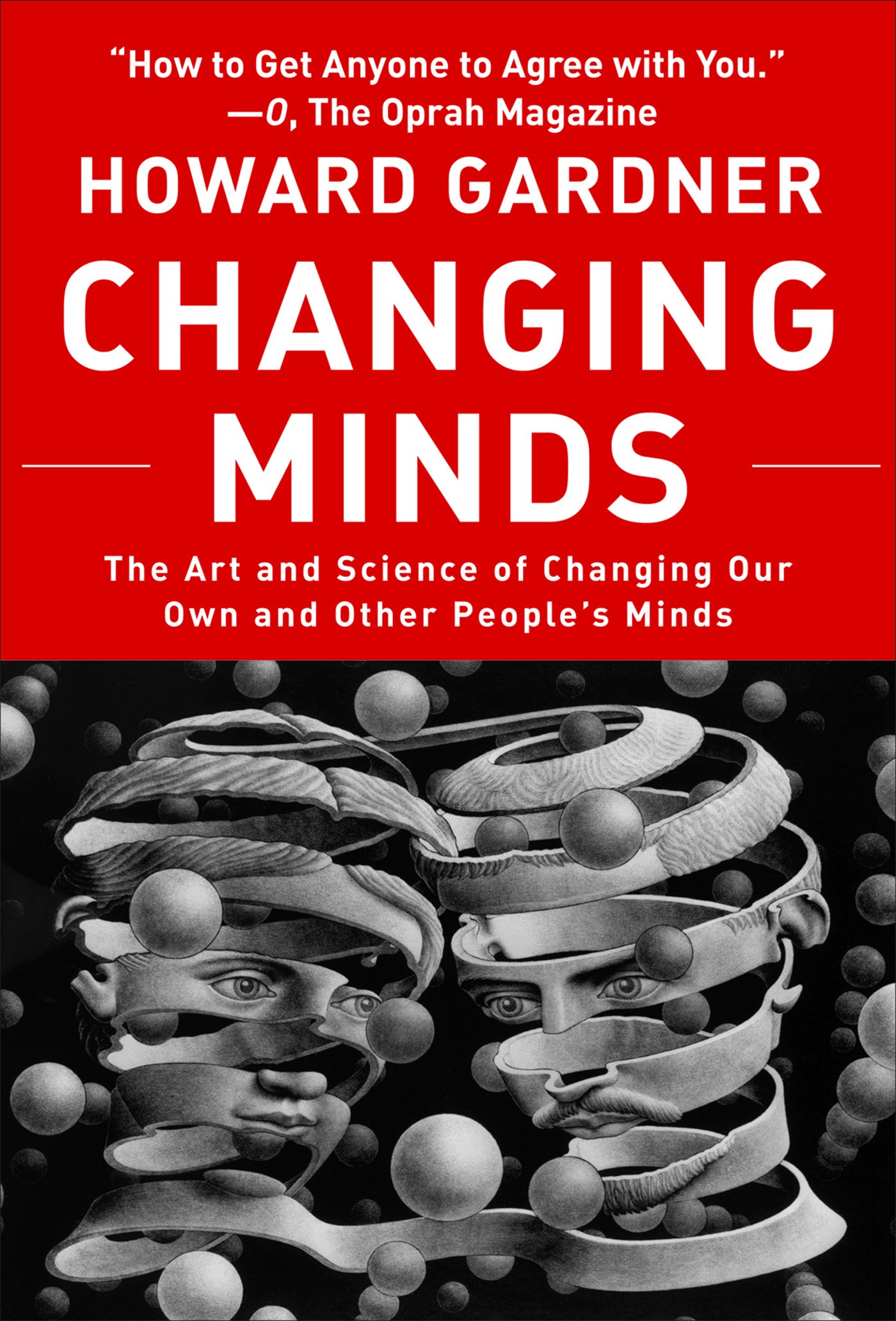
Changing Minds

Intelligence Reframed

Intelligence
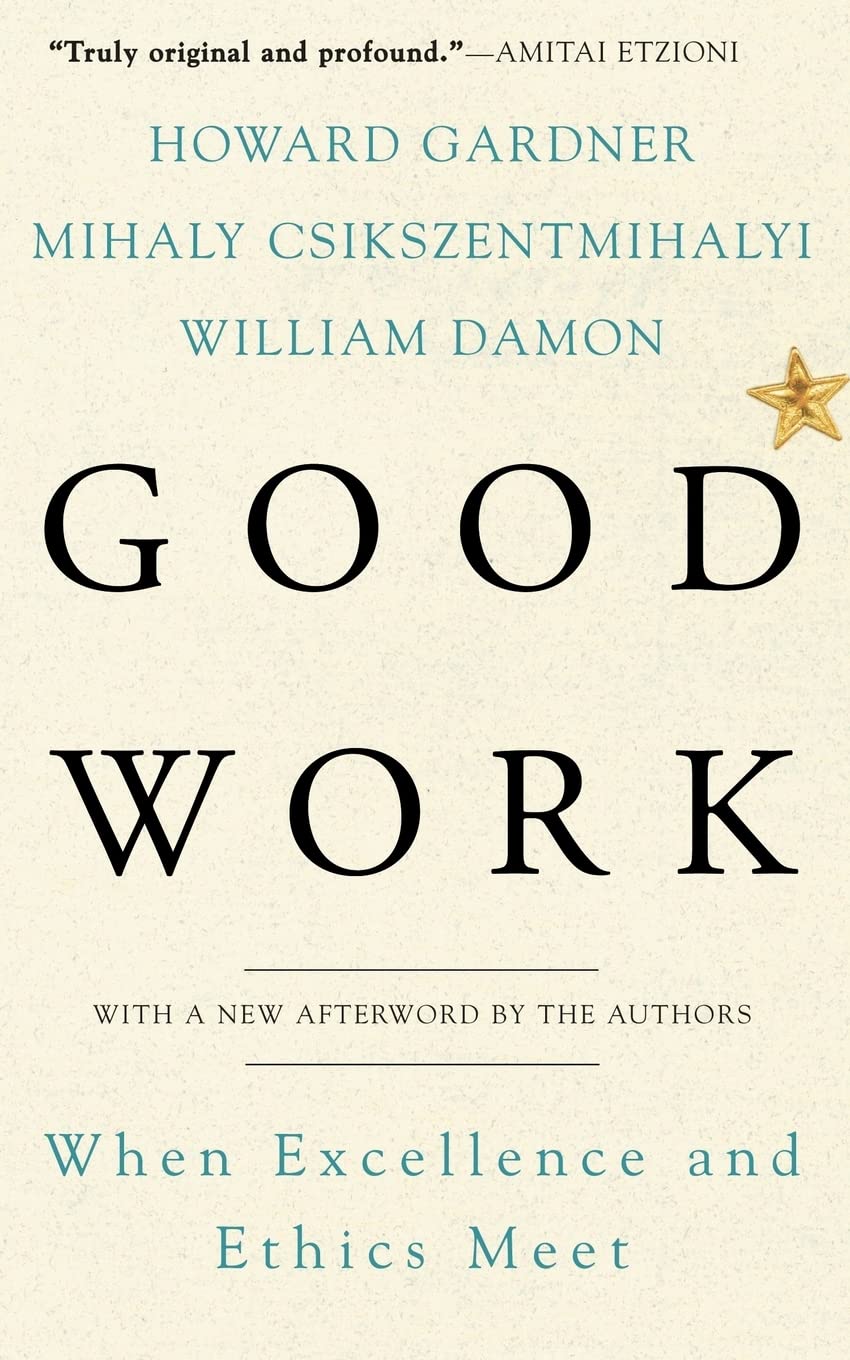
Good Work

Leading minds

The shattered mind
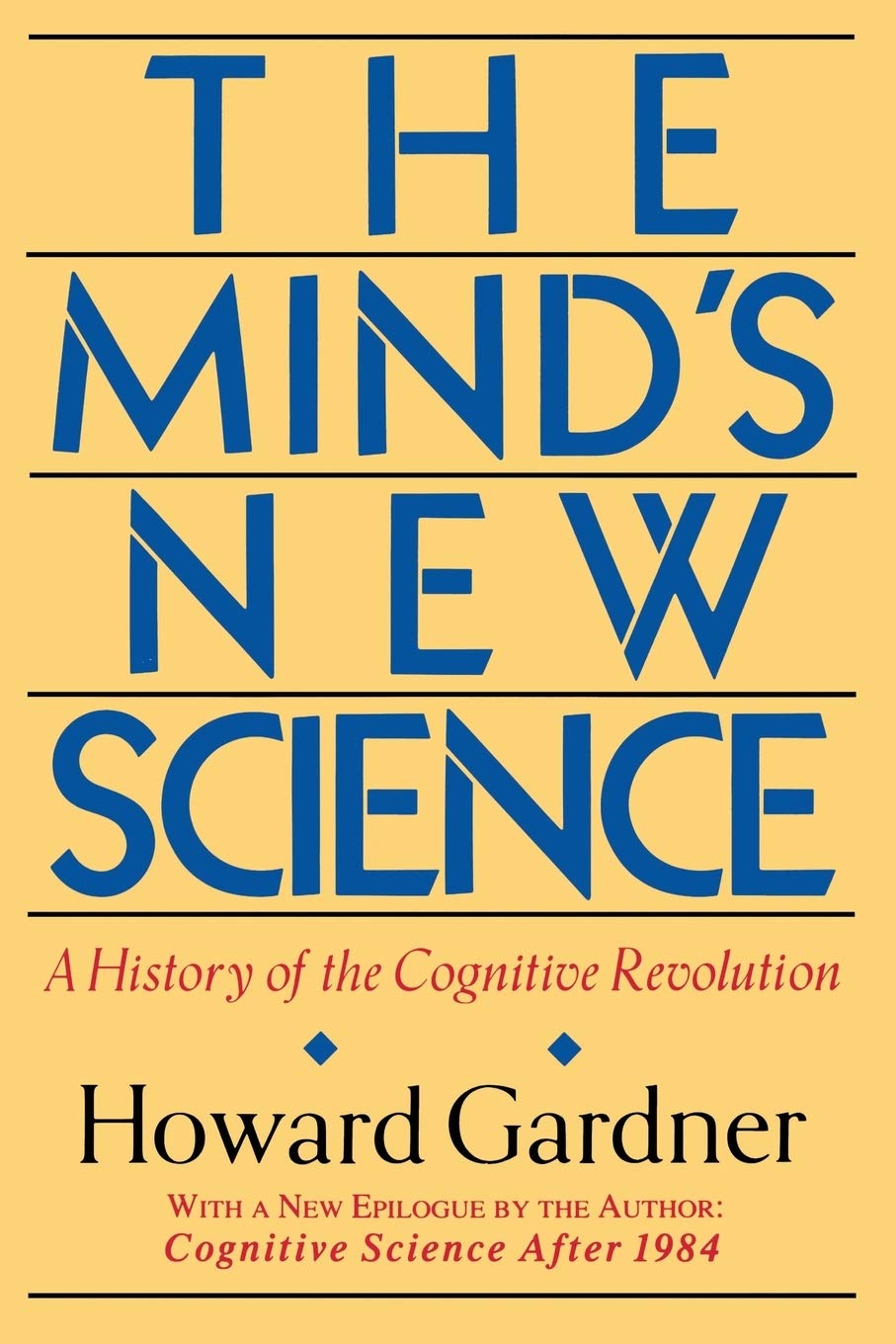
The Mind's New Science

The disciplined mind

Extraordinary minds

Art, Mind, and Brain

App Generation

Developmental Psychology
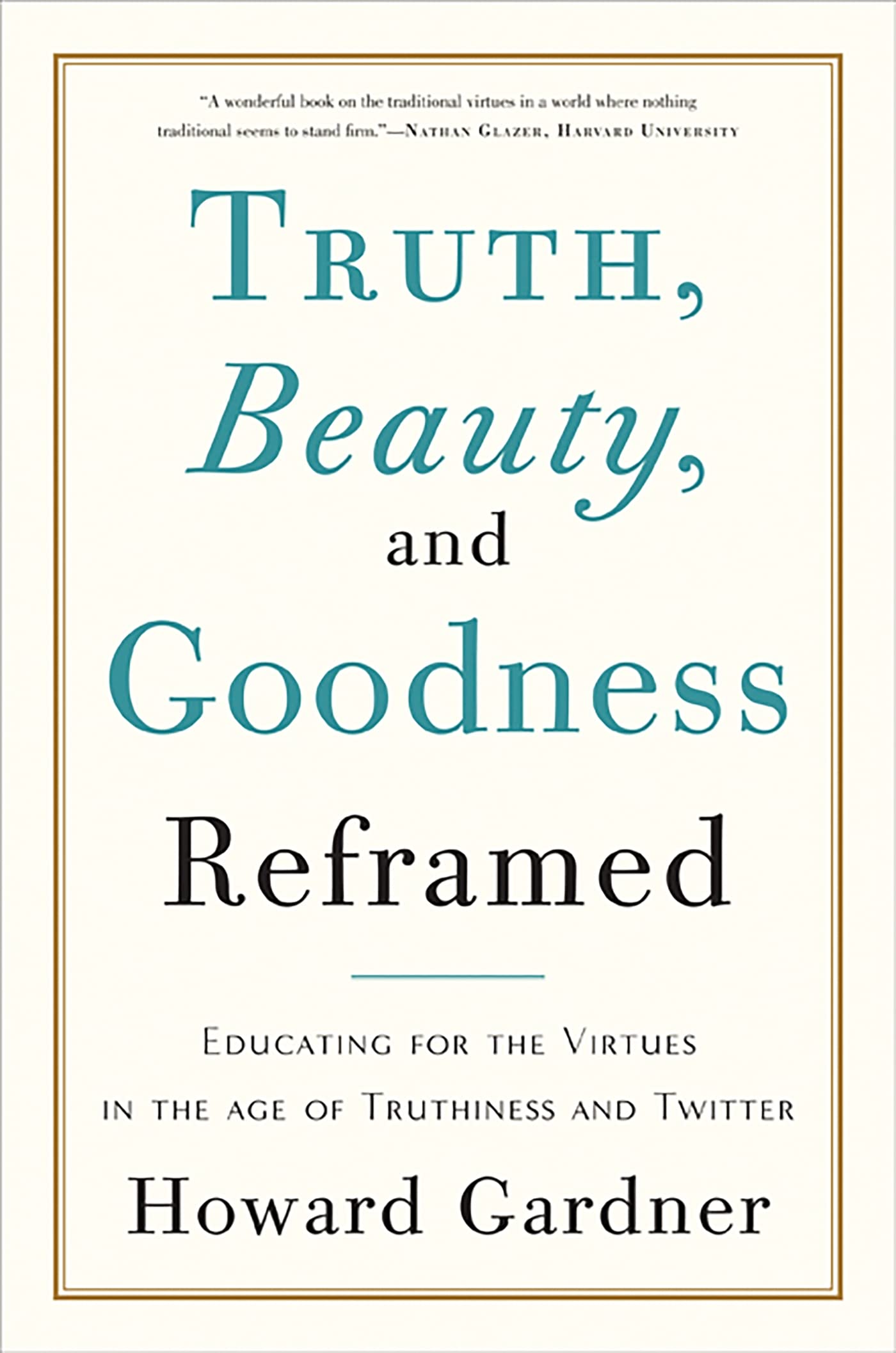
Truth, Beauty, and Goodness Reframed
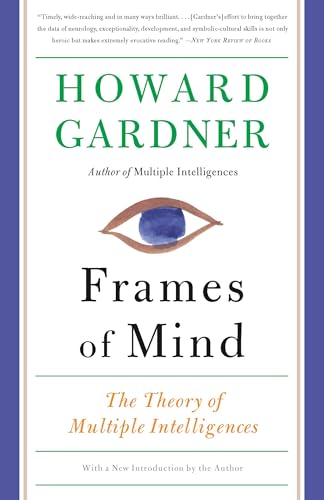
Frames of Mind

The quest for mind
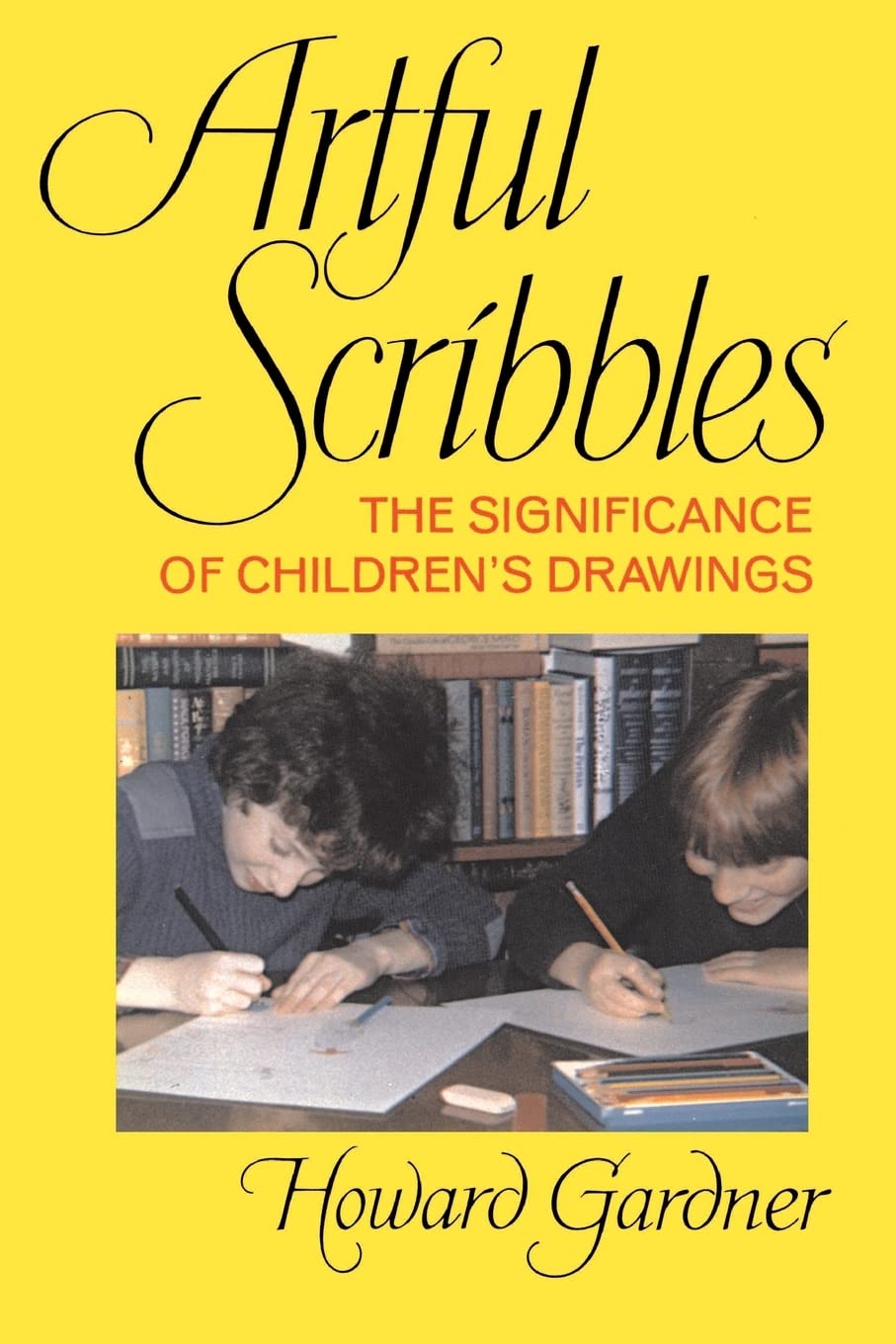
Artful scribbles

To open minds

Practical Intelligence for School

The arts and human development

Building on Children's Strengths

Mentes extraordinarias

Arte, mente y cerebro

Art education and human development

Mentes creativas
MULTIPLE INTELLIGENCES : THE THEORY IN PRACTICE

Real World of College

Estrucuras de la mente. La teoría de las inteligencias múltiples

ART MIND & EDUCATION

MindScience

Buen trabajo

El proyecto Spectrum tomo I
Finnish Lessons 3. 0

Responsibility at Work

Las cinco mentes del futuro

Development and Education of Mind
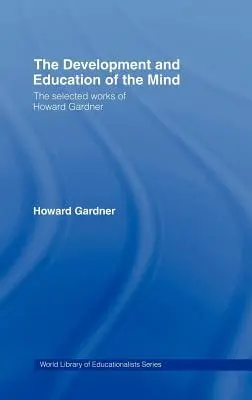
Development and Education of the Mind

Les nouvelles formes de la vérité, de la beauté et de la bonté

Educación de la Mente y el Conocimiento de Las Disciplinas
More authors
Writers readers often explore alongside this one.
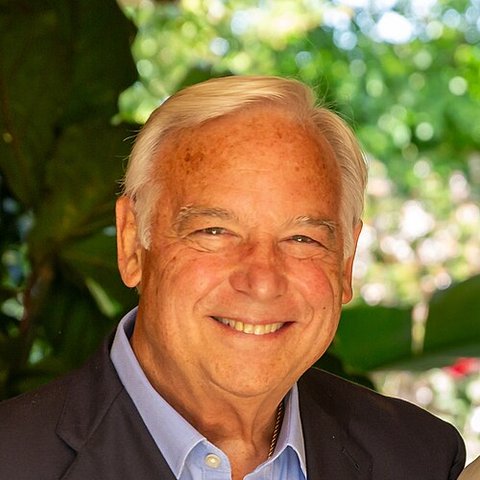 Jack CanfieldJack Canfield (born August 19, 1944) is an American author and motivational speaker. He is the co-author of the Chicken Soup for the Soul series, which has more than 250 titles and 500 million copies in print in over 40 languages. In 2005 Canfield co-authored with Janet Switzer The Success Principles: How to Get From Where You Are to Where You Want to Be.
 Gary ChapmanGary Demonte Chapman is an American author, radio talk show host, and Baptist minister. Chapman is most noted for his The Five Love Languages series regarding human relationships.
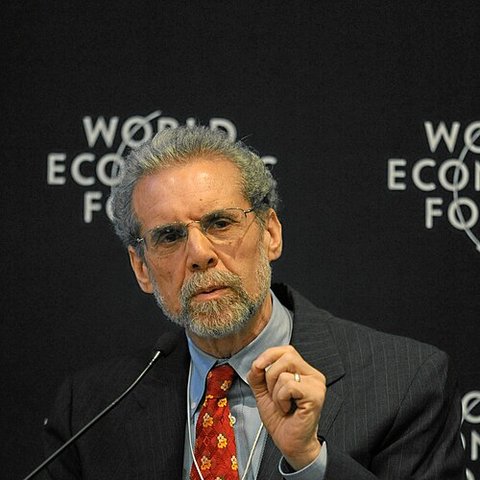 Daniel GolemanDaniel Goleman (born March 7, 1946) is an American psychologist, author, and science journalist. For twelve years, he wrote for The New York Times, reporting on the brain and behavioral sciences. His 1995 book Emotional Intelligence was on The New York Times Best Seller list for a year and a half, a bestseller in many countries, and is in print worldwide in 40 languages. Apart from his books on emotional intelligence, Goleman has written books on topics including self-deception, creativity, transparency, meditation, social and emotional learning, ecoliteracy and the ecological crisis, and the Dalai Lama's vision for the future.
 Robert J. SternbergRobert J. Sternberg is an American psychologist who writes about intelligence, creativity and relationships. His books include Cognitive Psychology and The Triarchic Mind; he developed the triangular theory of love and served as president of the American Psychological Association.
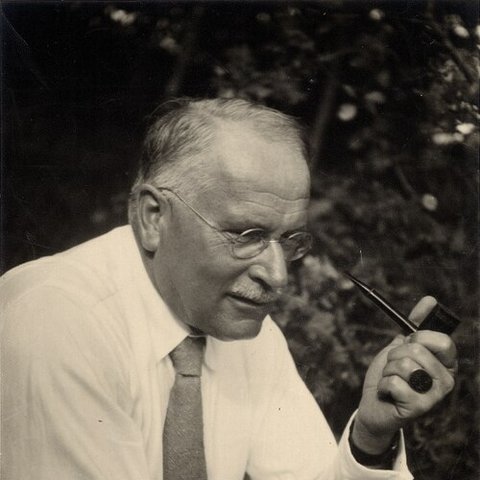 Carl JungCarl Gustav Jung was a Swiss psychiatrist, psychotherapist, and psychologist who founded the school of analytical psychology. He was a prolific author of over twenty books, illustrator, correspondent, and academic, best known for his concept of archetypes. Widely considered one of the most influential psychologists of all time, Jung's work has fostered not only scholarship, but also popular interest. His work has been influential in the fields of psychiatry, anthropology, archaeology, literature, philosophy, psychology, and religious studies.
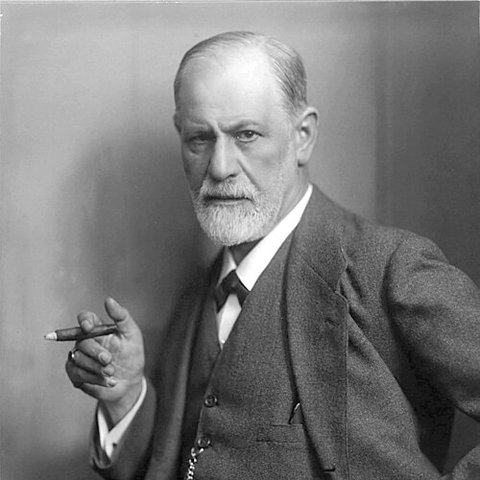 Sigmund FreudSigmund Freud was an Austrian neurologist and the founder of psychoanalysis, a clinical method for evaluating and treating pathologies arising from conflicts in the psyche through dialogue between patient and psychoanalyst, and the distinctive theory of mind and human agency it posits.
