

 Author
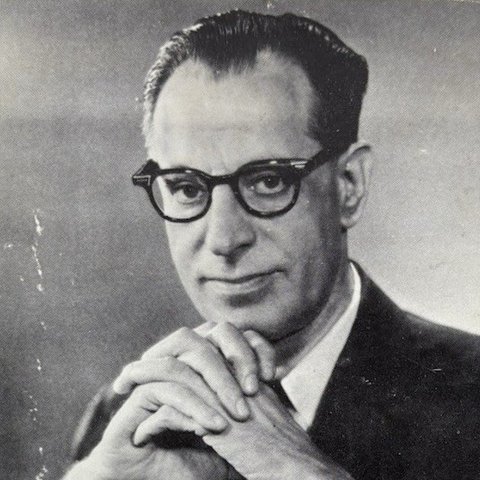
Albert Ellis
Albert Ellis was an American psychologist who founded rational emotive behavior therapy and the Albert Ellis Institute in New York City. His many self-help books include A Guide to Rational Living and How to Stubbornly Refuse to Make Yourself Miserable About Anything.
Get new book alerts for Albert in the app.


Books by Albert Ellis
Every published title we have in the catalogue, ordered by their library.

Overcoming Procrastination

How to Stubbornly Refuse to Make Yourself Miserable About Anything, Yes, Anything!
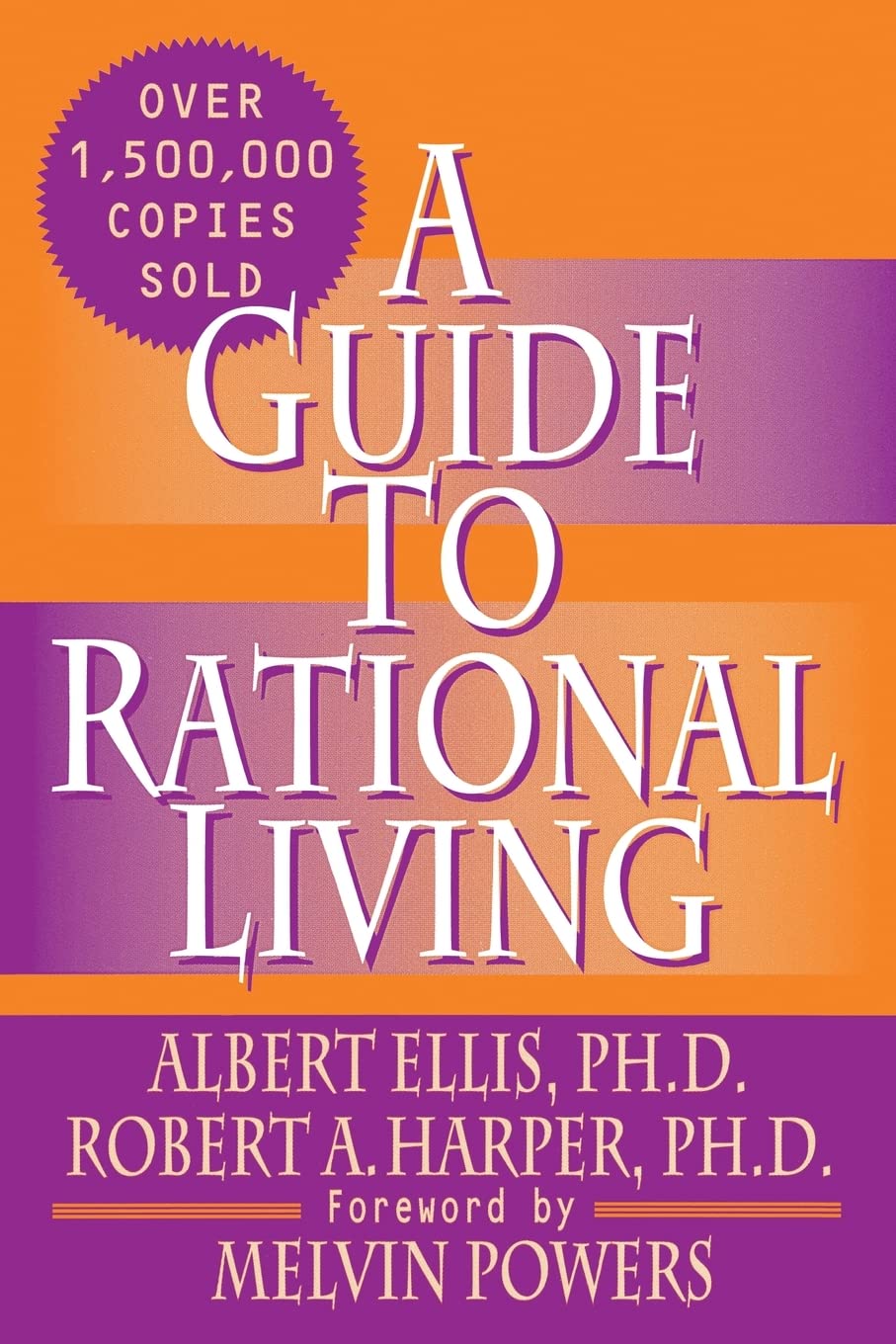
A Guide to Rational Living
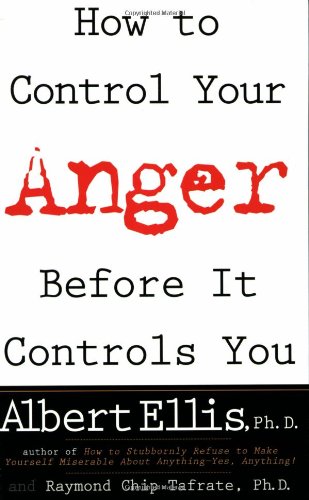
How to Control Your Anger Before It Controls You

The Art of Erotic Seduction

Reason and Emotion in Psychotherapy
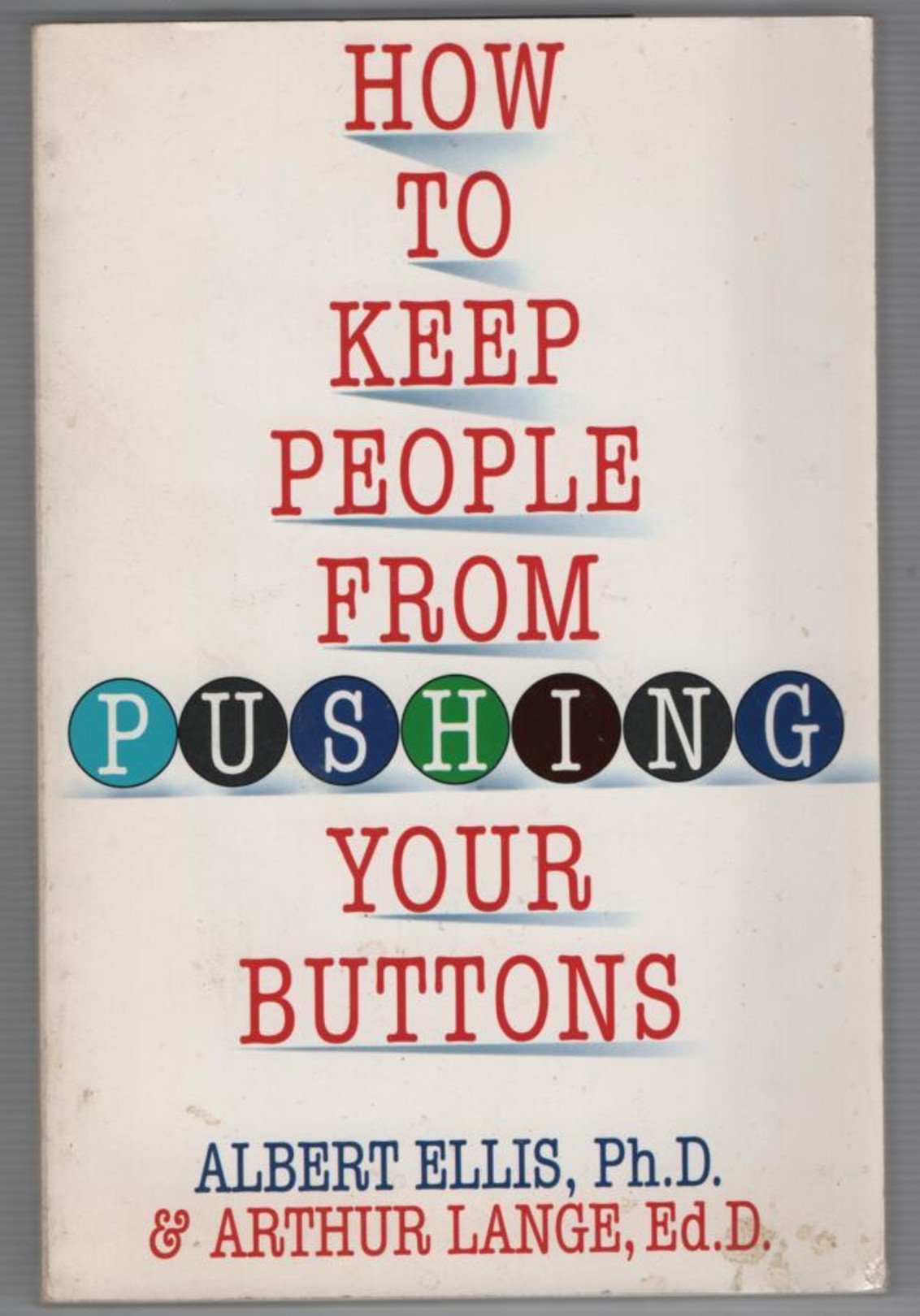
How to Keep People from Pushing Your Buttons
Overcoming Destructive Beliefs, Feelings, and Behaviors
How to Make Yourself Happy and Remarkably Less Disturbable

Sex Without Guilt

Sex Without Guilt in the Twenty-First Century

Rational Emotive Behavior Therapy

How to Control Your Anxiety Before It Controls You

The Secret of Overcoming Verbal Abuse

Anger: How to Live with and Without It

Executive Leadership
The Art and Science of Love
Growth through Reason

How to Raise an Emotionally Healthy, Happy Child
The Road To Tolerance

How to live with a neurotic.

Humanistic psychotherapy

The Folklore of Sex
Feeling Better, Getting Better, Staying Better

All Out!
When AA Doesn't Work for You

Why Am I Always Broke?
The Intelligent Woman's Guide to Man-Hunting

Ask Albert Ellis

The Albert Ellis Reader

Making Intimate Connections
The Myth of Self-esteem
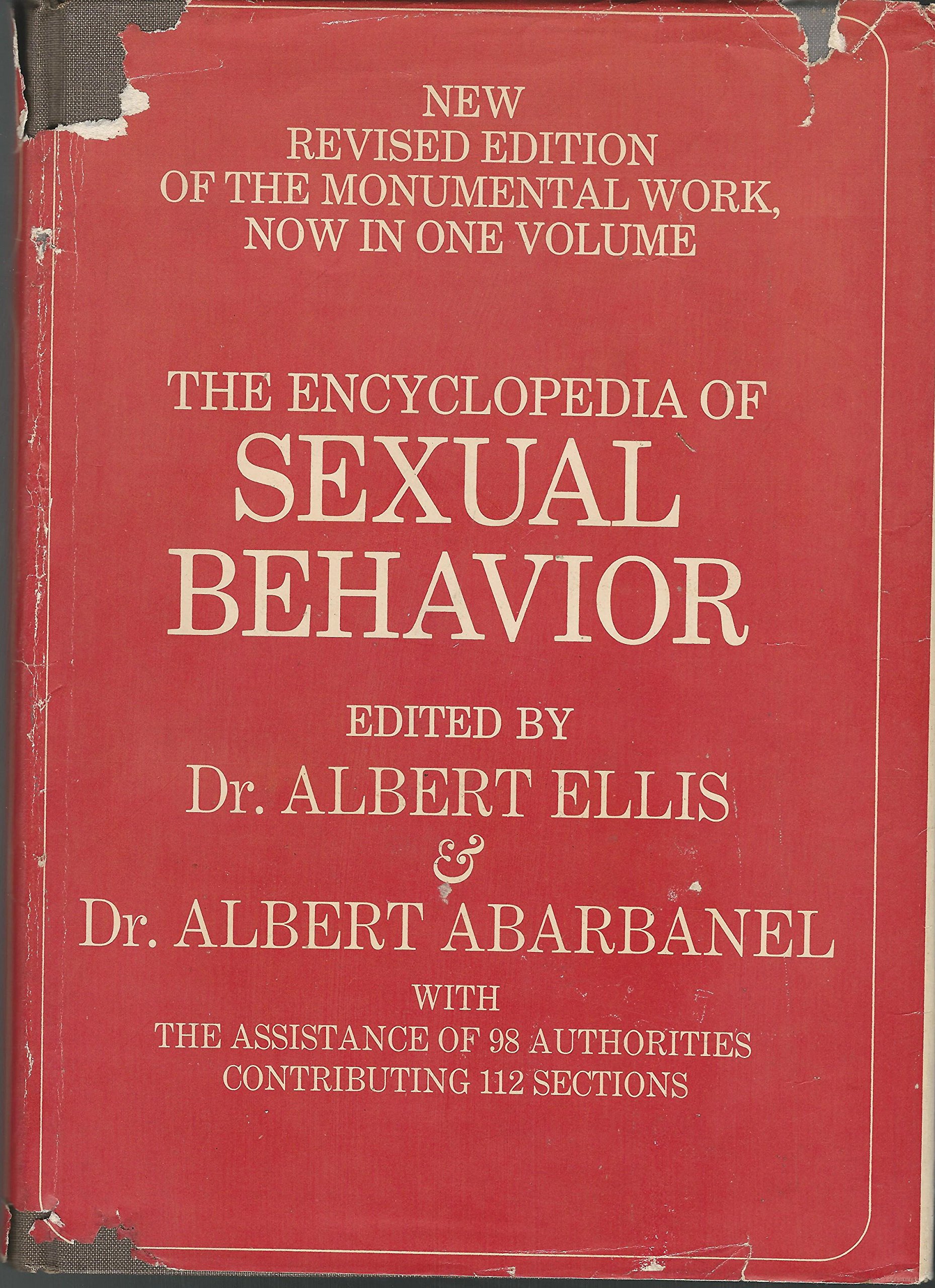
The encyclopedia of sexual behavior.

Rational-Emotive Therapy With Alcoholics and Substance Abusers (Pergamon General Psychology Series)

Creative marriage

Handbook of Rational-Emotive Therapy
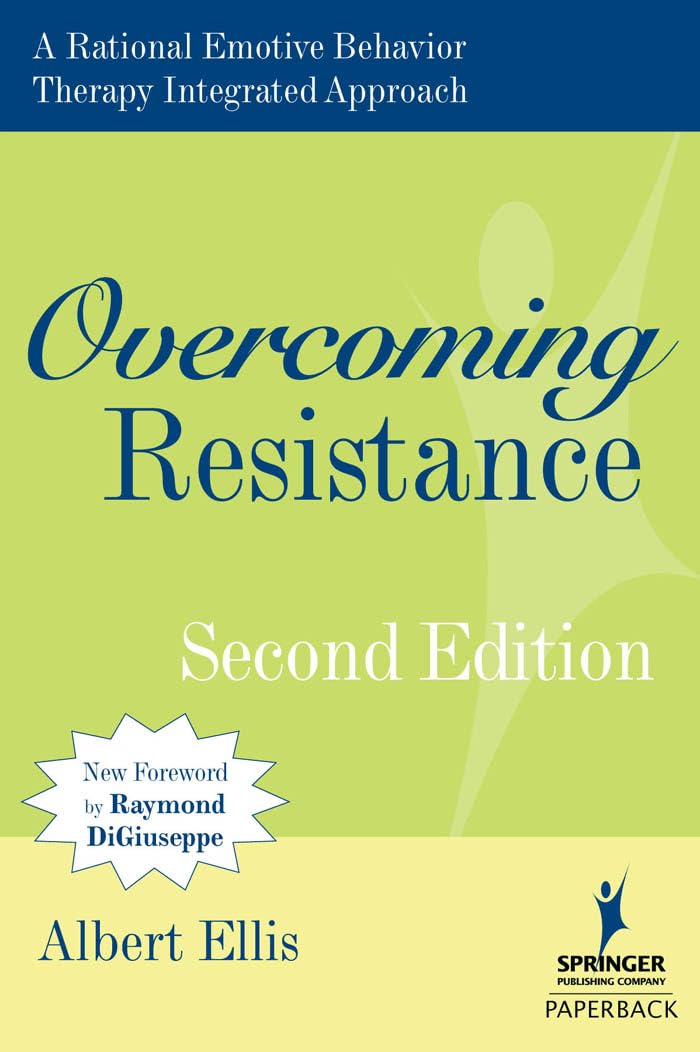
Overcoming resistance

Guide to Personal Happiness
More authors
Writers readers often explore alongside this one.
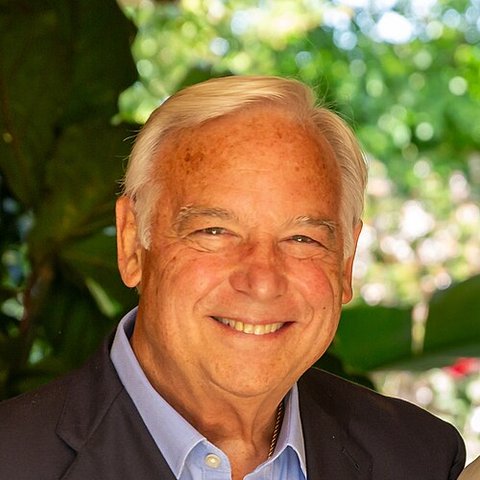 Jack CanfieldJack Canfield (born August 19, 1944) is an American author and motivational speaker. He is the co-author of the Chicken Soup for the Soul series, which has more than 250 titles and 500 million copies in print in over 40 languages. In 2005 Canfield co-authored with Janet Switzer The Success Principles: How to Get From Where You Are to Where You Want to Be.
 Gary ChapmanGary Demonte Chapman is an American author, radio talk show host, and Baptist minister. Chapman is most noted for his The Five Love Languages series regarding human relationships.
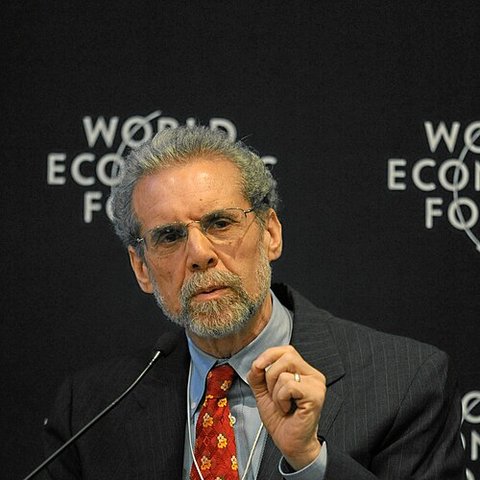 Daniel GolemanDaniel Goleman (born March 7, 1946) is an American psychologist, author, and science journalist. For twelve years, he wrote for The New York Times, reporting on the brain and behavioral sciences. His 1995 book Emotional Intelligence was on The New York Times Best Seller list for a year and a half, a bestseller in many countries, and is in print worldwide in 40 languages. Apart from his books on emotional intelligence, Goleman has written books on topics including self-deception, creativity, transparency, meditation, social and emotional learning, ecoliteracy and the ecological crisis, and the Dalai Lama's vision for the future.
 Robert J. SternbergRobert J. Sternberg is an American psychologist who writes about intelligence, creativity and relationships. His books include Cognitive Psychology and The Triarchic Mind; he developed the triangular theory of love and served as president of the American Psychological Association.
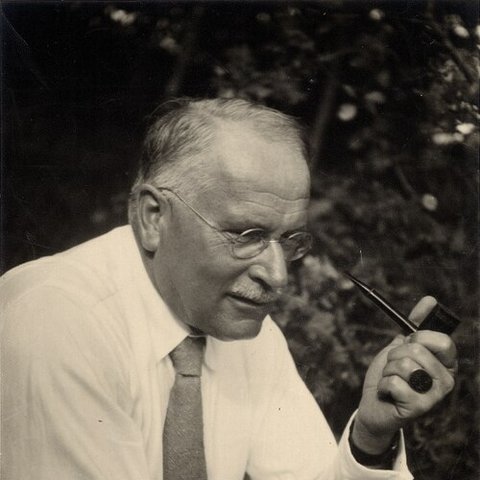 Carl JungCarl Gustav Jung was a Swiss psychiatrist, psychotherapist, and psychologist who founded the school of analytical psychology. He was a prolific author of over twenty books, illustrator, correspondent, and academic, best known for his concept of archetypes. Widely considered one of the most influential psychologists of all time, Jung's work has fostered not only scholarship, but also popular interest. His work has been influential in the fields of psychiatry, anthropology, archaeology, literature, philosophy, psychology, and religious studies.
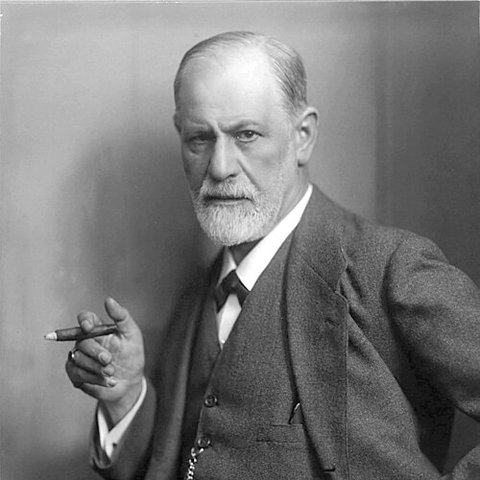 Sigmund FreudSigmund Freud was an Austrian neurologist and the founder of psychoanalysis, a clinical method for evaluating and treating pathologies arising from conflicts in the psyche through dialogue between patient and psychoanalyst, and the distinctive theory of mind and human agency it posits.
