

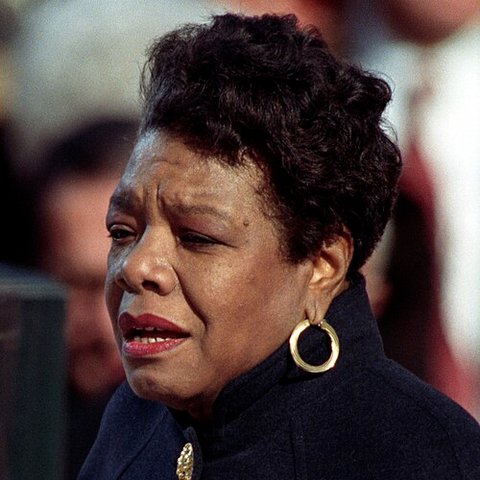
 Author
Maya Angelou
Maya Angelou ( AN-jə-loh; born Marguerite Annie Johnson; April 4, 1928 – May 28, 2014) was an American memoirist, essayist, poet, and civil rights activist. She published seven autobiographies, three books of essays, several books of poetry, and is credited with a list of plays, movies, and television shows spanning more than 50 years. She received dozens of awards and more than 50 honorary degrees. Angelou's series of seven autobiographies focus on her childhood and early adult experiences. The first, I Know Why the Caged Bird Sings (1969), tells of her life up to the age of 17 and brought her international recognition and acclaim. She became a poet and writer after a string of odd jobs during her young adulthood. In 1982, Angelou was named the first Reynolds Professor of American Studies at Wake Forest University in Winston-Salem, North Carolina. Angelou was active in the civil rights movement and worked with Martin Luther King Jr. and Malcolm X. Beginning in the 1990s, she made approximately 80 appearances a year on the lecture circuit, something she continued into her eighties. In 1993, Angelou recited her poem "On the Pulse of Morning" (1993) at the first inauguration of Bill Clinton, making her the first poet to make an inaugural recitation since Robert Frost at the inauguration of John F. Kennedy in 1961. With the publication of I Know Why the Caged Bird Sings, Angelou publicly discussed aspects of her personal life. She was respected as a spokesperson for African Americans and women, and her works have been considered a defense of African-American culture. Her works are widely used in schools and universities worldwide, although attempts have been made to ban her books from some U.S. libraries. Angelou's most celebrated works have been labeled as autobiographical fiction, but many critics consider them to be autobiographies. She made a deliberate attempt to challenge the common structure of the autobiography by critiquing, changing, and expanding the genre. Her books center on themes that include racism, identity, family, and travel.
Get new book alerts for Maya in the app.


Books by Maya Angelou
Every published title we have in the catalogue, ordered by their library.
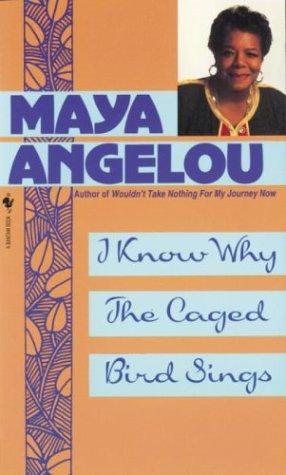
I Know Why the Caged Bird Sings

The Heart of a Woman
And Still I Rise
Letter to My Daughter
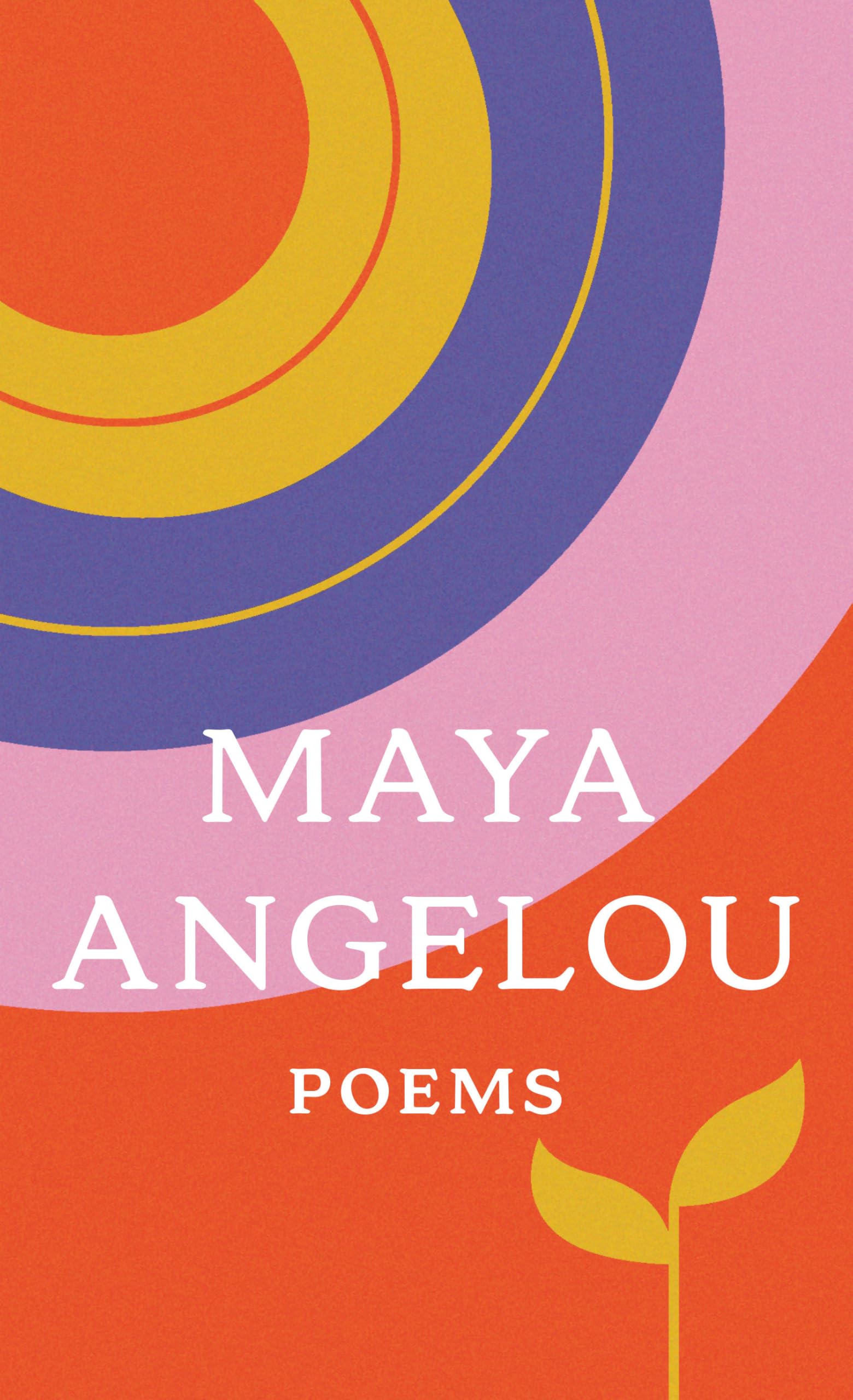
Poems
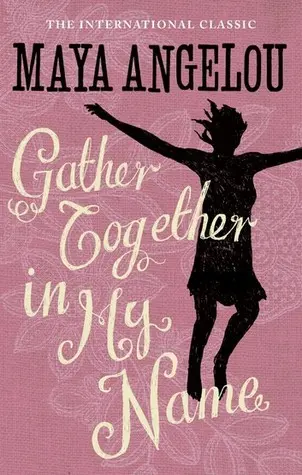
Gather Together in My Name

Wouldn't Take Nothing for My Journey Now
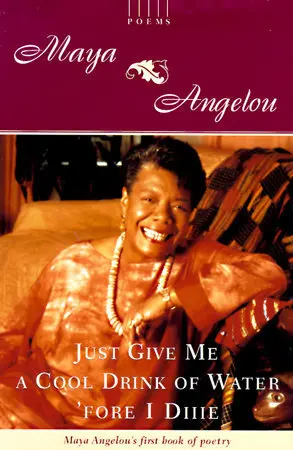
Just Give Me a Cool Drink of Water 'Fore I Diiie

Mom & Me & Mom
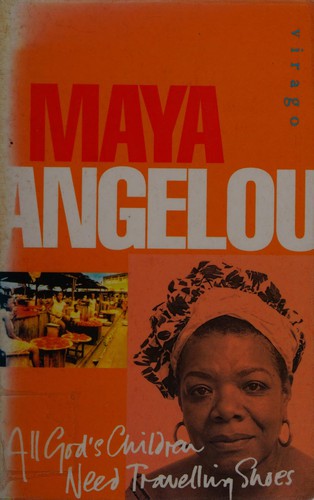
All God's Children Need Traveling Shoes
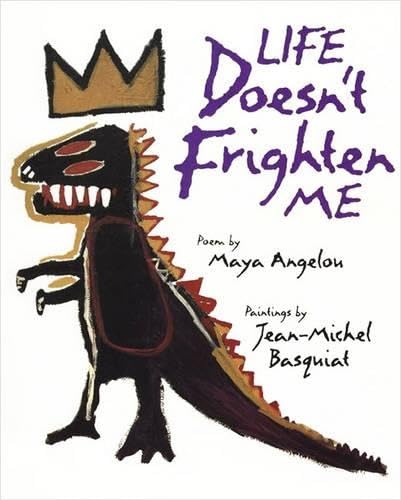
Life Doesn't Frighten Me
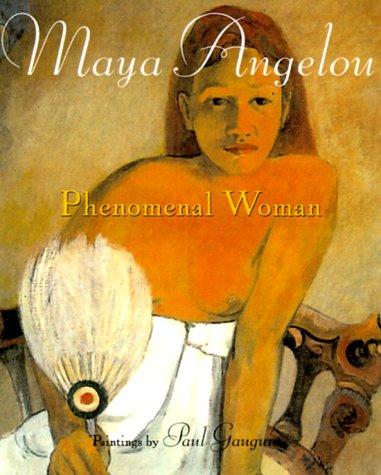
Phenomenal Woman

Singin' and Swingin' and Gettin' Merry Like Christmas

Maya Angelou Omnibus
Amazing Peace
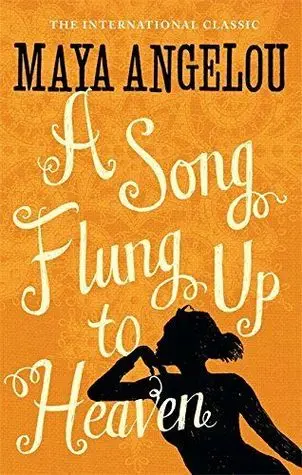
A Song Flung Up to Heaven

Even the Stars Look Lonesome

On the pulse of morning

The Complete Collected Poems of Maya Angelou

My Painted House, My Friendly Chicken, and Me
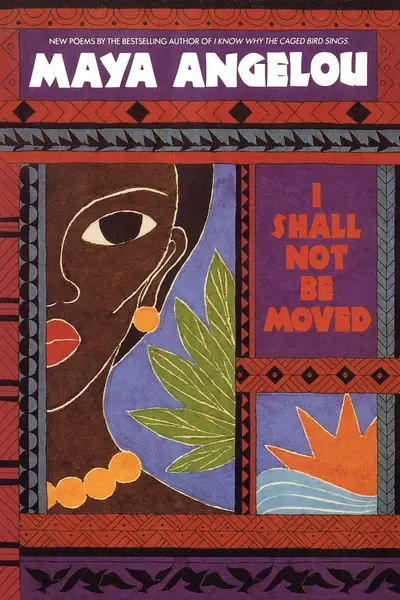
I Shall Not Be Moved

Now Sheba Sings the Song
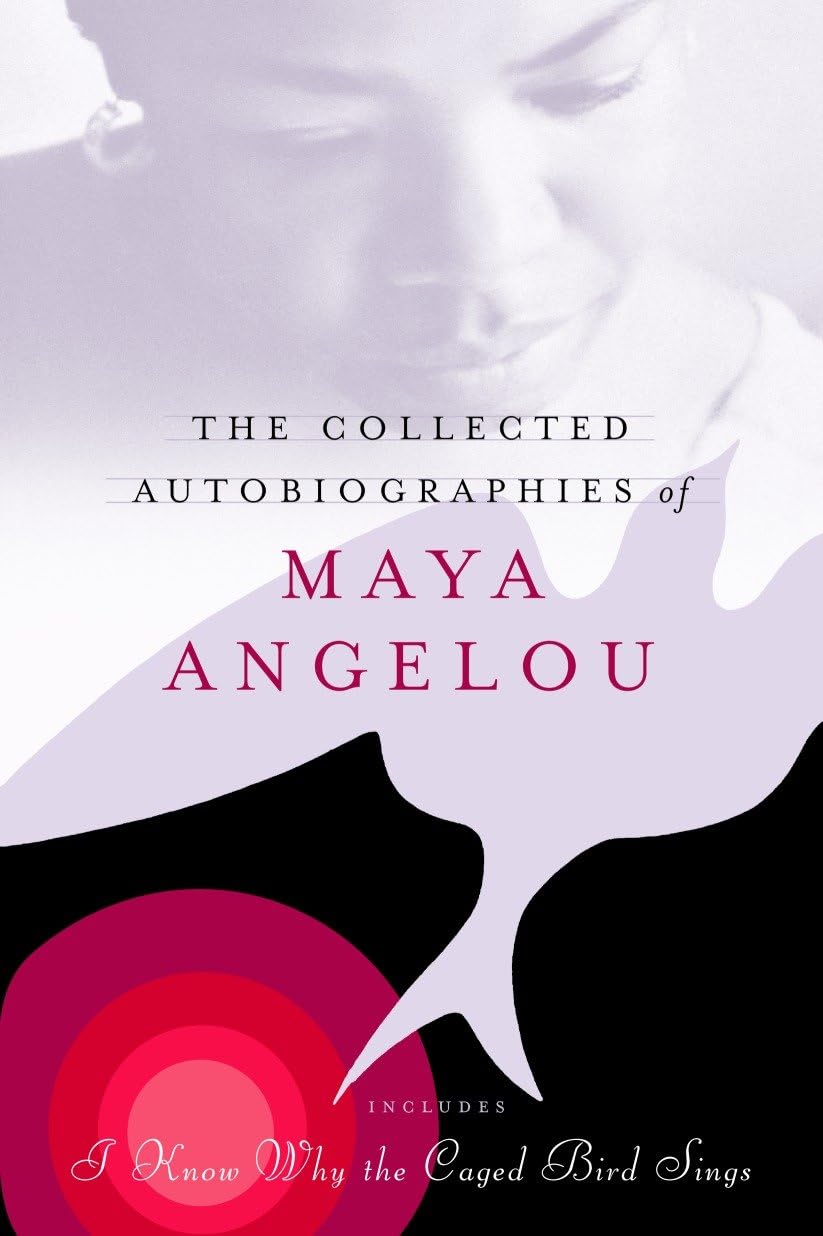
The collected autobiographies of Maya Angelou

Selected from I Know Why the Caged Bird Sings and Heart of a Woman (Writers Voices)
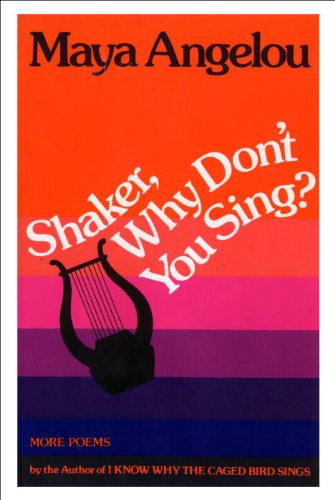
Shaker, Why Don't You Sing?
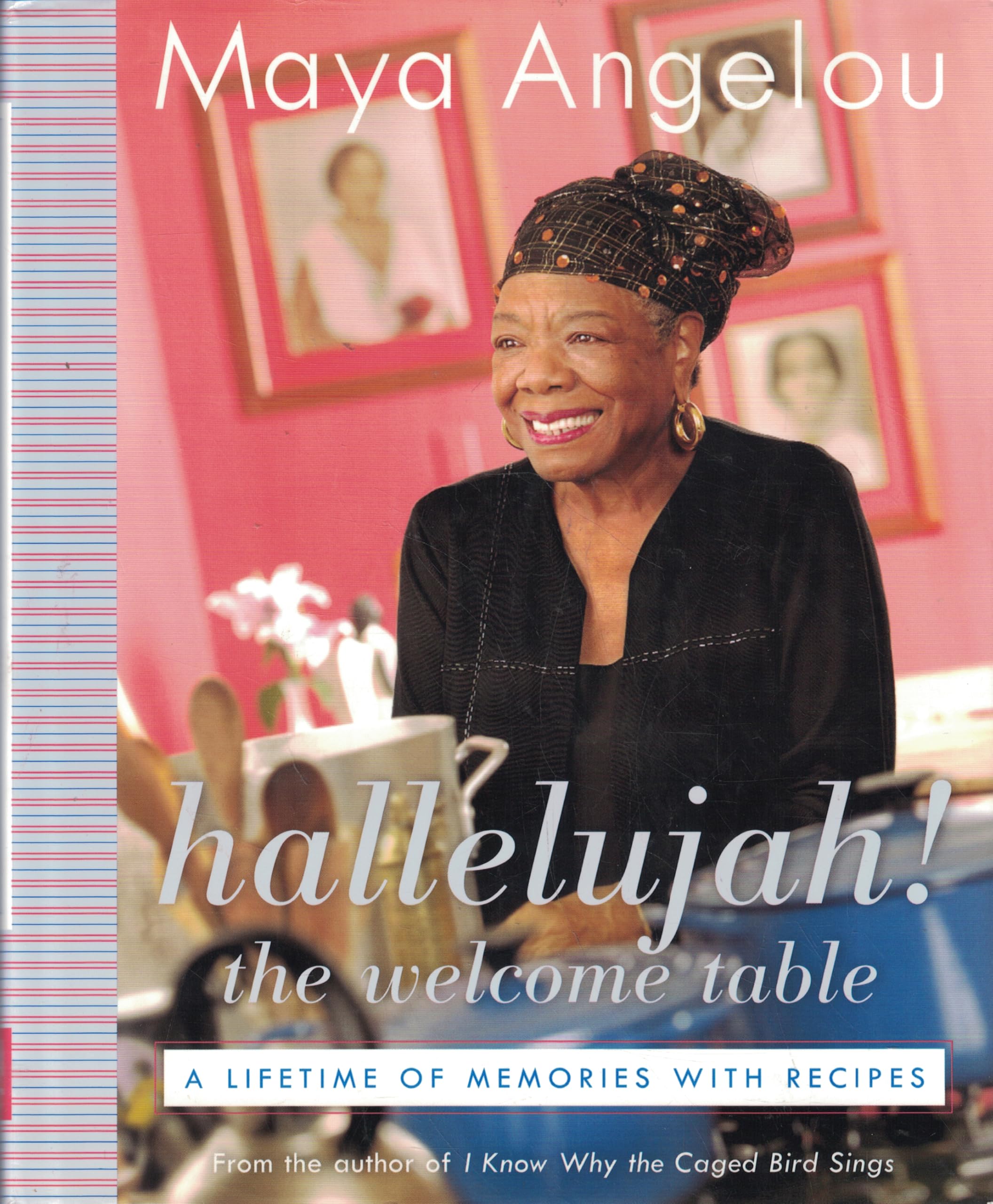
Hallelujah! The Welcome Table
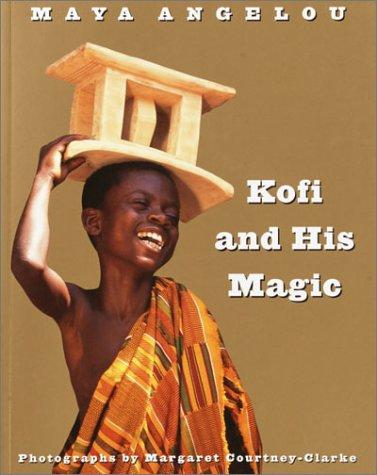
Kofi and His Magic

Rainbow in the cloud

Prentice Hall Literature Silver Edition

Prentice Hall Literature: Timeless Voices, Timeless Themes

Prentice Hall literature

Soul Looks Back in Wonder

Mary Ellen Mark
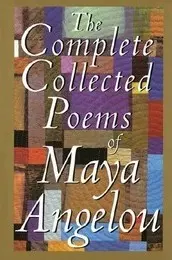
The complete poetry

Oh Pray My Wings Are Gonna Fit Me Well

Quartet of Stories (Modern Women Writers)
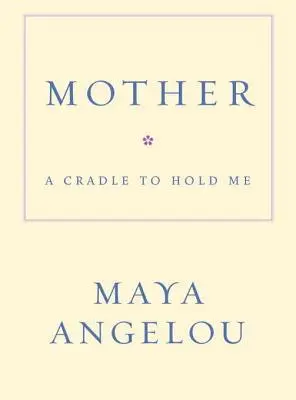
Mother

Mikale of Hawaii

Great food, all day long

Izak of Lapland

Cedric Of Jamaica (Random House Pictureback Book)

Celebrations

Renʹee Marie of France

A brave and startling truth

Angelina of Italy

Conversations with Maya Angelou

Quartet of Poems (Modern Women Writers)

Mother : a cradle to hold me

Discovering the other America
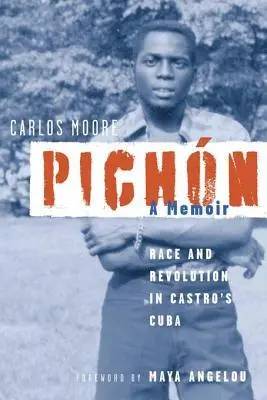
Pichón
Showing 50 of 55 books. The rest are in the app.
Open the appMore authors
Writers readers often explore alongside this one.
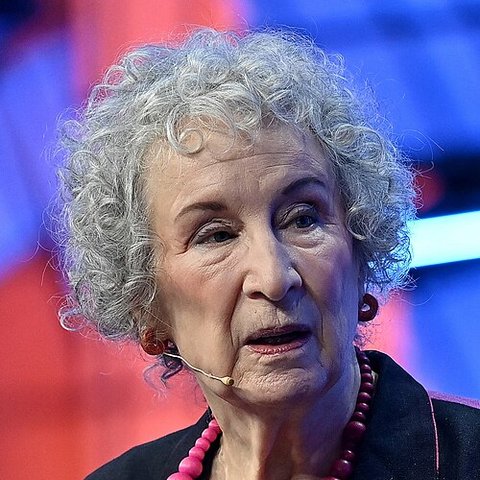 Margaret AtwoodMargaret Eleanor Atwood (born November 18, 1939) is a Canadian novelist, poet, literary critic, and inventor. Since 1961, she has published 18 books of poetry, 18 novels, 11 books of nonfiction, nine collections of short fiction, eight children's books, two graphic novels, and a number of small press editions of both poetry and fiction. Her best-known work is the 1985 dystopian novel The Handmaid's Tale. Atwood has won numerous awards and honors for her writing, including two Booker Prizes, the Arthur C. Clarke Award, the Order of Canada, the Franz Kafka Prize, the Prince of Asturias Award for literature, and the National Book Critics and PEN Center USA Lifetime Achievement Awards. A number of her works have been adapted for film and television.
Atwood's works encompass a variety of themes including gender and Canadian identity, religion and myth, the power of language, climate change, genetic engineering, and power politics. Many of her poems are inspired by myths and fairy tales which interested her from a very early age.
Atwood is a founder of the Griffin Poetry Prize and the Writers' Trust of Canada. She is also a Senior Fellow of Massey College, Toronto. She is the inventor of the LongPen device and associated technologies that facilitate remote robotic writing of documents.
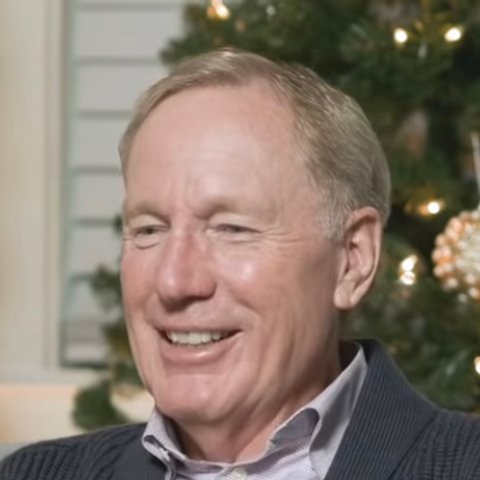 Max LucadoMax Lucado (born January 11, 1955) is an American author and minister at Oak Hills Church (formerly the Oak Hills Church of Christ) in San Antonio, Texas.
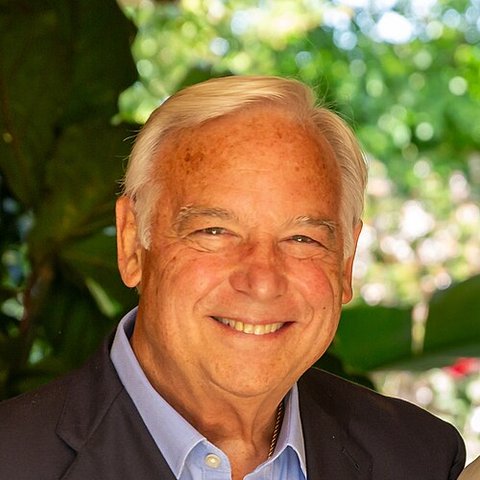 Jack CanfieldJack Canfield (born August 19, 1944) is an American author and motivational speaker. He is the co-author of the Chicken Soup for the Soul series, which has more than 250 titles and 500 million copies in print in over 40 languages. In 2005 Canfield co-authored with Janet Switzer The Success Principles: How to Get From Where You Are to Where You Want to Be.Bobbie KalmanBobbie Kalman is a Canadian author of children's nonfiction about nature, geography and history, including The Life Cycle of a Butterfly and the Historic Communities series. Born in Hungary, she fled with her family during the 1956 revolution.
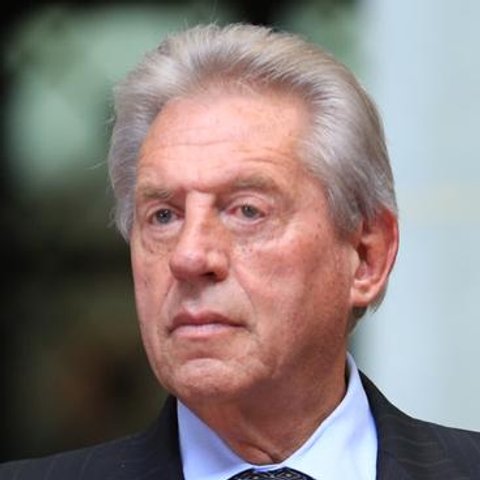 John C. MaxwellJohn C. Maxwell is an American author, speaker, and pastor who has written books primarily focused on leadership. Titles include The 21 Irrefutable Laws of Leadership and The 21 Indispensable Qualities of a Leader. Some of his books have been on the New York Times Best Seller list.
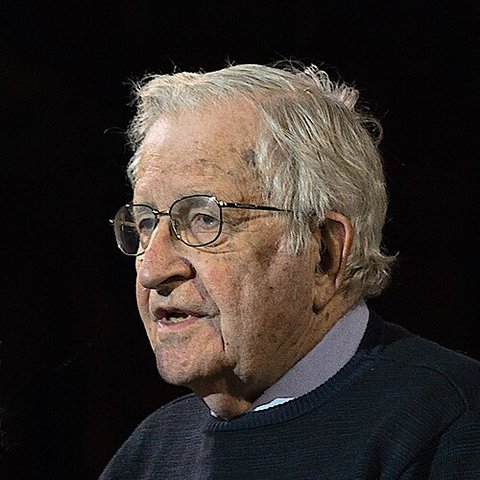 Noam ChomskyAvram Noam Chomsky (born December 7, 1928) is an American intellectual, philosopher, linguist, political activist, and social critic. Sometimes called "the father of modern linguistics", Chomsky is also a major figure in analytic philosophy and one of the founders of the field of cognitive science. He is a laureate professor of linguistics at the University of Arizona and an institute professor emeritus at the Massachusetts Institute of Technology (MIT).
Among the most cited living authors, Chomsky has written more than 150 books on topics such as linguistics, war, and politics. In addition to his work in linguistics, since the 1960s, Chomsky has been an influential voice on the American Left as a consistent critic of the foreign policy of the United States, contemporary capitalism, and corporatocracy.
Born to immigrant Ashkenazi Jews in Philadelphia, Chomsky developed an early interest in anarchism from alternative bookstores in New York City. He studied at the University of Pennsylvania. During his postgraduate work in the Harvard Society of Fellows, Chomsky developed the theory of transformational grammar for which he earned his doctorate in 1955. That year he began teaching at MIT, and in 1957 emerged as a significant figure in linguistics with his landmark work Syntactic Structures, which played a major role in remodeling the study of language.
From 1958 to 1959 Chomsky was a National Science Foundation fellow at the Institute for Advanced Study. He created or co-created the universal grammar theory, the generative grammar theory, the Chomsky hierarchy, and the minimalist program. Chomsky also played a pivotal role in the decline of linguistic behaviorism, and was particularly critical of the work of B. F. Skinner.
An outspoken opponent of U.S. involvement in the Vietnam War, which he saw as an act of American imperialism, in 1967 Chomsky rose to national attention for his anti-war essay "The Responsibility of Intellectuals". Becoming associated with the New Left, he was arrested multiple times for his activism and placed on President Richard Nixon's list of political opponents. As his work in linguistics gained prominence and influence during the 1960s, it fomented the linguistics wars. In collaboration with Edward S. Herman, Chomsky later articulated the propaganda model of media criticism in Manufacturing Consent, and worked to expose the Indonesian occupation of East Timor.
Chomsky's defense of unconditional freedom of speech, including that of Holocaust denial, generated significant controversy in the Faurisson affair of the 1980s. Chomsky's commentary on the Cambodian genocide and the Bosnian genocide also generated controversy. Since retiring from active teaching at MIT, he has continued his vocal political activism, including opposing the 2003 invasion of Iraq and supporting the Occupy movement. An anti-Zionist, Chomsky considers Israel's treatment of Palestinians to be worse than South African–style apartheid, and criticizes U.S. support for Israel.
Chomsky is widely recognized as having helped to spark the cognitive revolution in the human sciences, contributing to the development of a new cognitivistic framework for the study of language and the mind. Chomsky remains a leading critic of U.S. foreign policy, contemporary capitalism, U.S. involvement and Israel's role in the Israeli–Palestinian conflict, and mass media. Chomsky and his ideas remain highly influential in the anti-capitalist and anti-imperialist movements.
